ALBUM NOTESReview of Philip Glass – Symphonies Nos. 2 And 3
Symphonies Nos. 2 And 3- Album Overview
Philip Glass's "Symphonies Nos. 2 And 3," released in 1995, is a significant collection that showcases the composer's minimalist style and innovative approach to symphonic form. The album is released under the Orange Mountain Music label, which has been pivotal in promoting Glass's works. These symphonies were recorded with the acclaimed London Philharmonic Orchestra, conducted by the composer himself, emphasizing Glass's unique perspective as both a composer and conductor.
Symphony No. 2, completed in 1968, and Symphony No. 3, completed in 1995, are a testament to Glass's evolution as an artist. The first symphony, rooted in Glass's early minimalist techniques, exhibits repetitive structures and a rich harmonic language that has become synonymous with his style. In contrast, Symphony No. 3 reflects a matured compositional voice, incorporating broader emotional palettes and orchestral textures.
The album features prominent tracks such as the expansive "Symphony No. 2: II. Allegro" and the contemplative "Symphony No. 3: II. Allegretto," both of which highlight Glass's ability to blend rhythmic complexity with lyrical melodies. The recording is notable for its clarity and depth, bringing out the intricate layers of the orchestral arrangement.
The cultural significance of this album lies in its bridging of classical music with contemporary influences. Glass's work has inspired a wide range of artists across genres, making him a pivotal figure in modern music. The symphonies not only reflect his artistic vision but also contribute to ongoing conversations about the role of minimalism in the 21st century.
Review
"Symphonies Nos. 2 And 3" stands as a remarkable exploration of Philip Glass's artistic journey. The sound is characterized by a hypnotic quality, created through repetitive motifs and evolving harmonies that invite listeners into a meditative space. Glass's use of orchestration is particularly effective; the rich textures crafted by the London Philharmonic Orchestra breathe life into each movement, making the listening experience both immersive and dynamic.
The emotional depth of Symphony No. 3, in particular, reveals a more introspective side of Glass's work, contrasting with the rhythmic exuberance of his earlier pieces. The symphonies' structure allows for a gradual build-up, leading to climaxes that are both satisfying and thought-provoking. Although lyrics are not present in these symphonic works, the music speaks volumes, conveying a range of emotions from tranquility to urgency.
Overall, this album encapsulates Glass's vision of music as a transformative experience, challenging listeners to engage deeply with the soundscape. It serves as a powerful reminder of the impact of minimalist music in the contemporary classical scene.
Highlights
- Masterful orchestration by the London Philharmonic Orchestra.
- Emotional depth and complexity showcased in Symphony No. 3.
- Innovative minimalism that bridges classical and contemporary music.
Weak points
- Repetitive structures may not appeal to all listeners.
- Lack of vocal elements could limit broader audience engagement.
- Some movements may feel lengthy to those unaccustomed to minimalist music.
Overall evaluation
"Symphonies Nos. 2 And 3" is a compelling addition to Philip Glass's oeuvre, highlighting his growth as a composer while maintaining the core elements that define his style. It is a must-listen for fans of contemporary classical music and those interested in the evolution of minimalist composition.
Personal rating: 8/10

 1990Passages
 1988Dance Nos. 1-5
 1986Songs From Liquid Days
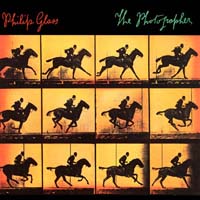 1983The Photographer
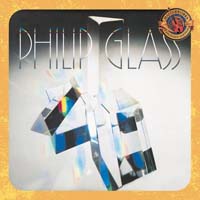 1982Glassworks
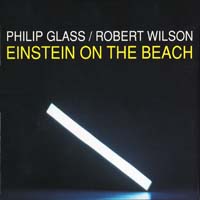 1979Einstein on the Beach
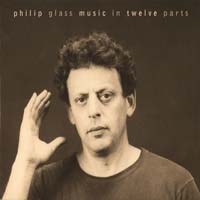 1975Music in Twelve Parts
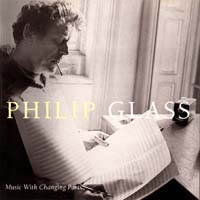 1971Music With Changing Parts
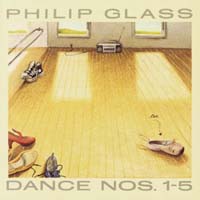 0Dance Nos. 1