
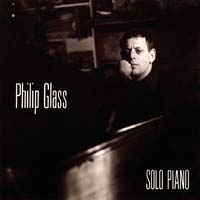
Is Waiting For The Barbarians Philip Glass's best work yet?
Waiting For The Barbarians- Album Overview
Waiting For The Barbarians is a compelling work by renowned composer Philip Glass, released in 2018 under the Orange Mountain Music label. This album is a soundtrack for the opera of the same name, which was based on J.M. Coetzee's novel, exploring themes of colonialism, power, and the human condition. The opera premiered in 2018, making the release of its soundtrack timely and relevant.
The production features a collaboration with director and librettist Christopher Hampton, who adapted the novel for the stage, while Glass's signature minimalistic style shines through the orchestration. The recording features the extraordinary forces of the Prague Philharmonic Orchestra, paired with the vocal talents of a talented ensemble, including the likes of baritone Eric Owens and soprano Kiera Duffy.
The album consists of several tracks that vary in mood and intensity, echoing the emotional landscape of the opera. The composition reflects Glass's ability to blend classical music with contemporary sensibilities, showcasing intricate rhythms and melodic lines that invite repeated listening. The release was met with anticipation, and its singles, particularly “The Prisoner,” received acclaim for their haunting beauty and lyrical depth.
Musically, Waiting For The Barbarians stands out as a significant entry in Glass's repertoire, illustrating his continued evolution as a composer. The themes resonate not only within the context of the opera but also reflect broader cultural discussions, making it a noteworthy contribution to both the classical and contemporary music scenes.
Review
Philip Glass delivers an evocative soundscape in Waiting For The Barbarians, characterized by his hallmark repetitive motifs and lush orchestrations. The album navigates complex emotional territory, often drawing listeners into an introspective journey. The orchestral arrangements are rich and layered, allowing for a wide range of dynamics that reflect the narrative tension of the source material.
While the lyrics may not stand out independently, they serve to enhance the overall experience of the album, emphasizing the thematic depth of the opera. Glass's artistic vision is clear; he seeks not only to entertain but to provoke thought and evoke emotion. The work is a brilliant fusion of narrative and musical expression, signaling Glass's mastery in marrying storytelling with composition.
Highlights
- Intricate orchestration that showcases Glass's minimalist style.
- Powerful vocal performances that enhance the emotional weight of the narrative.
- Rich thematic content that resonates with contemporary cultural discussions.
Weak points
- The repetitive nature of some tracks may not appeal to all listeners.
- Occasionally, the lyrical content feels overshadowed by the instrumental emphasis.
- May require familiarity with the opera for full appreciation of the context.
Overall evaluation
In conclusion, Waiting For The Barbarians is a significant addition to Philip Glass's oeuvre, showcasing his ability to blend narrative depth with musical innovation. The album serves as both a compelling soundtrack and a standalone listening experience. While it may not cater to every taste, it undeniably solidifies Glass's position as a leading figure in contemporary classical music.
Personal rating: 8/10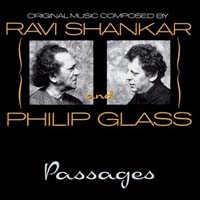 1990Passages
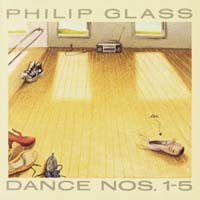 1988Dance Nos. 1-5
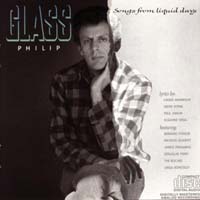 1986Songs From Liquid Days
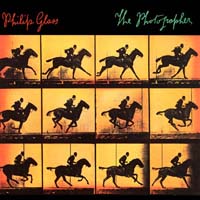 1983The Photographer
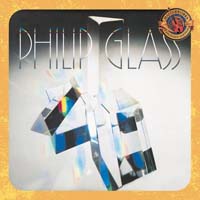 1982Glassworks
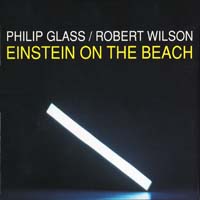 1979Einstein on the Beach
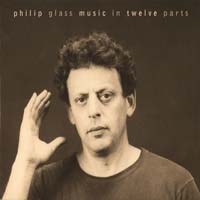 1975Music in Twelve Parts
 1971Music With Changing Parts
 0Dance Nos. 1