
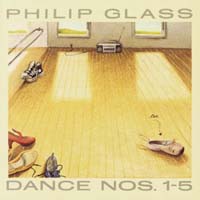
Dance Nos. 1: discovering Philip Glass's artistry
Dance Nos. 1- Album Overview
Released in 1990 under the label Orange Mountain Music, "Dance Nos. 1" is a captivating exploration of minimalist composition by acclaimed American composer Philip Glass. The album features a selection of pieces originally written for the 1983 ballet "The Hours," showcasing Glass's distinctive style characterized by repetitive structures and intricate melodic lines. The recording was produced by Glass himself, alongside a talented ensemble of musicians including the Philip Glass Ensemble, which often collaborates with him on various projects. "Dance Nos. 1" is a testament to Glass's ability to blend classical music with modern sensibilities, resulting in a sound that is both timeless and fresh. The album includes several notable tracks, each highlighting the rhythmic complexity and textural richness that Glass is known for. The works on this album serve not only as a showcase for his compositional skill but also reflect the broader cultural currents of the late 20th century, where avant-garde practices began to infiltrate mainstream consciousness. Glass's music is often associated with the rise of minimalism, a movement that has influenced countless artists across genres, from electronic music to contemporary classical. "Dance Nos. 1" stands as an essential entry point for those seeking to understand the depth and breadth of Glass's artistry.
Review
The sound of "Dance Nos. 1" is quintessentially Philip Glass, brimming with his signature motifs that swirl and evolve throughout the pieces. The work is rich in texture, seamlessly incorporating piano, strings, and woodwinds to create a lush soundscape. Unlike traditional ballet scores, Glass's compositions eschew overt narrative in favor of emotive expression, inviting listeners to immerse themselves in a world of rhythmic exploration and sonic nuance. The album's structure often leads to a meditative state, allowing the audience to experience a sense of transcendence. While Glass does not rely heavily on lyrics—focusing instead on instrumental storytelling—his music speaks volumes through its intricate patterns and dynamic shifts. The artistic vision presented in "Dance Nos. 1" encapsulates the essence of movement and emotion, making it a vital piece in Glass's extensive catalog. The album holds a unique place within contemporary classical music, embodying a bridge between the avant-garde and the accessible, all while maintaining an inviting atmosphere for both seasoned listeners and newcomers alike.
Highlights
- Rich and intricate compositions that showcase Glass's minimalist style.
- Engaging blend of classical and modern elements that appeals to diverse audiences.
- A reflective and immersive listening experience that invites emotional connection.
Weak points
- The repetitive nature of the music may not appeal to all listeners.
- Limited lyrical content can leave some craving more narrative depth.
- May require multiple listens to fully appreciate the complexities of each piece.
Overall evaluation
"Dance Nos. 1" is a remarkable showcase of Philip Glass's artistry, encapsulating his innovative approach to composition and minimalism. It serves as both an engaging introduction for newcomers and a satisfying experience for long-time fans of his work.
Personal rating: 8/10 2011Mad Rush: Solo Piano Music Of Philip Glass
 1990Passages
 1988Dance Nos. 1-5
 1986Songs From Liquid Days
 1983The Photographer
 1982Glassworks
 1979Einstein on the Beach
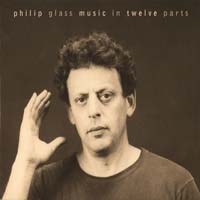 1975Music in Twelve Parts
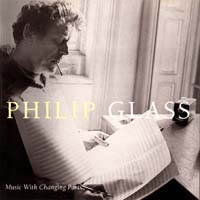 1971Music With Changing Parts