
Inside A Madrigal Opera. Cameo. A Symphonic Poem by Philip Glass
A Madrigal Opera. Cameo. A Symphonic Poem- Album Overview
Released in 2022 under the Orange Mountain Music label, "A Madrigal Opera. Cameo. A Symphonic Poem" is a remarkable addition to Philip Glass's extensive discography. This album showcases Glass's signature minimalist style while also exploring new thematic and musical landscapes. The work features Glass's collaboration with the acclaimed New York-based vocal ensemble, The Tallis Scholars, renowned for their rich vocal harmonies and deep understanding of early choral music. The project represents a fusion of contemporary classical and early music traditions, reflecting Glass's ability to bridge different musical eras.
The album includes three distinct movements, each bringing a unique interpretation of the madrigal form, intertwined with Glass's modern sensibilities. The recording was produced by Glass himself, ensuring that the final product stayed true to his artistic vision. The album also features contributions from various instrumentalists, adding depth and texture to the overall sound. Although no singles were released from this album, its significance lies in its exploration of the madrigal genre, which was prominent during the Renaissance, thus inviting listeners to experience a dialogue between past and present musical expressions.
Glass's work is often noted for its cultural significance, and this album continues that tradition by inviting reflection on the evolution of musical forms over centuries. "A Madrigal Opera" stands as an example of how contemporary composers can draw from historical traditions to create innovative works that resonate with modern audiences.
Review
Glass's "A Madrigal Opera. Cameo. A Symphonic Poem" is a masterful exploration of sound that melds the ethereal qualities of choral music with his minimalist compositional techniques. The album begins with a hauntingly beautiful overture that sets the tone for the entire experience, characterized by repetitive motifs that evolve subtly throughout the movements. The Tallis Scholars deliver an exceptional performance, their voices weaving intricate patterns that complement Glass's orchestral arrangements.
The lyrical content, while rooted in the madrigal tradition, feels fresh and engaging, inviting listeners to immerse themselves in the thematic depth of the work. Glass's ability to create tension and release through his compositions is evident here, as he crafts a soundscape that is both expansive and intimate. The artistic vision behind this album is clear; it seeks to honor the past while pushing the boundaries of what contemporary classical music can achieve.
Highlights
- Exceptional vocal performance by The Tallis Scholars, showcasing their mastery of choral music.
- Innovative blending of minimalist and madrigal styles, creating a unique listening experience.
- Rich orchestration that adds depth and texture to the overall sound.
Weak points
- Some listeners may find the minimalist approach overly repetitive.
- The lack of distinct singles may limit broader appeal.
- Lengthy movements may require patience from the audience.
Overall evaluation
Philip Glass's "A Madrigal Opera. Cameo. A Symphonic Poem" is a compelling work that successfully merges historical influences with contemporary sensibilities. While it may not cater to all tastes, its artistic integrity and innovative spirit make it a significant contribution to modern classical music.
Personal rating: 8/10 1990Passages
 1988Dance Nos. 1-5
 1986Songs From Liquid Days
 1983The Photographer
 1982Glassworks
 1979Einstein on the Beach
 1975Music in Twelve Parts
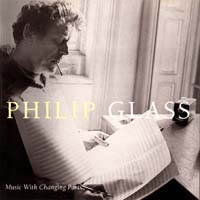 1971Music With Changing Parts
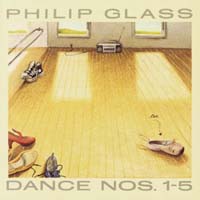 0Dance Nos. 1