
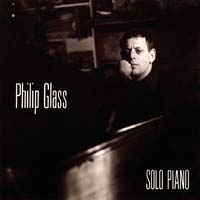
Breaking down the themes in The Orphée Suite by Philip Glass
The Orphée Suite- Album Overview
The Orphée Suite is a critically acclaimed album by the renowned composer Philip Glass, released in 1990. The album serves as a reimagining of Glass's original score for Jean Cocteau's 1950 film "Orphée," which was inspired by the Greek myth of Orpheus and Eurydice. This contemporary classical work was released under the label Orange Mountain Music, which Glass founded. The album features a blend of orchestral and electronic elements, showcasing Glass's signature minimalist style that emphasizes repetitive structures and rich harmonic textures.
In creating The Orphée Suite, Glass collaborated with various musicians, including the Philip Glass Ensemble, which has been pivotal in interpreting his works. The Suite comprises several movements that evoke the film's emotional landscape, exploring themes of love, loss, and the transcendence of art. The recording captures the essence of the cinematic experience while also standing alone as a powerful musical narrative. Notably, the album includes tracks such as "Orphée," "Eurydice," and "The Journey," each contributing to the overarching themes of the myth. The Orphée Suite not only showcases Glass's compositional prowess but also solidifies his position as a key figure in the modern classical music scene, influencing a new generation of composers and musicians.
Review
The Orphée Suite is a profound exploration of emotion through sound, reflecting Glass's artistic vision of merging the worlds of cinema and concert music. The album's ethereal melodies and intricate rhythms create an immersive experience, inviting listeners to engage with the narrative of Orpheus's tragic journey. The orchestration is lush yet restrained, allowing each instrument to shine while maintaining a cohesive soundscape. Glass's use of recurring motifs throughout the Suite emphasizes the cyclical nature of love and loss, mirroring the narrative's themes.
While the album lacks traditional lyrics, the music speaks volumes, evoking a deep sense of yearning and nostalgia. The artistic vision behind The Orphée Suite demonstrates Glass's ability to convey complex human emotions through minimalistic techniques, adding layers of meaning to the listener's experience. Overall, the album serves as a testament to Glass's innovative approach to composition and his impact on the modern classical genre.
Highlights
- Intricate orchestration that beautifully captures the emotional depth of the narrative.
- Rich thematic development that resonates with the myth of Orpheus and Eurydice.
- A seamless blend of classical and contemporary elements, showcasing Glass's unique style.
Weak points
- Some listeners may find the repetitive motifs overwhelming or monotonous.
- The lack of traditional song structures may alienate those unfamiliar with minimalist music.
- The album's pacing can feel slow at times, which may not appeal to all audiences.
Overall evaluation
The Orphée Suite is a mesmerizing journey through sound that showcases Philip Glass's masterful command of composition. While it may not cater to all musical tastes, its thematic depth and emotional resonance make it a significant work in contemporary classical music. The album stands as a compelling interpretation of a timeless myth, affirming Glass's status as a pioneering artist.
Personal rating: 8/10 1990Passages
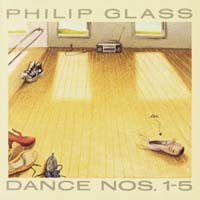 1988Dance Nos. 1-5
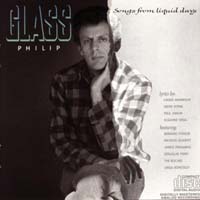 1986Songs From Liquid Days
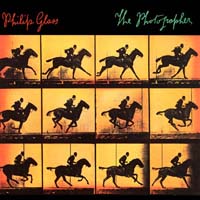 1983The Photographer
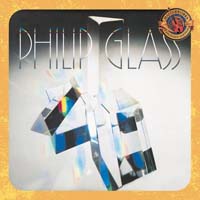 1982Glassworks
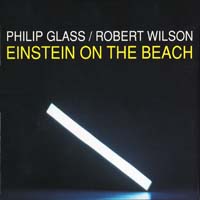 1979Einstein on the Beach
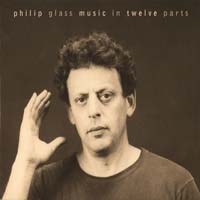 1975Music in Twelve Parts
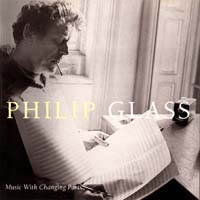 1971Music With Changing Parts
 0Dance Nos. 1