
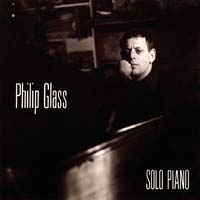
Philip Glass raises the bar with In The Upper Room
In The Upper Room- Album Overview
Released in 1986, "In The Upper Room" is a seminal work by renowned composer Philip Glass, known for his minimalist style that has redefined contemporary classical music. The album was initially produced for a dance piece choreographed by Twyla Tharp, showcasing Glass's ability to blend music and movement seamlessly. "In The Upper Room" was released under the label CBS Records and features a combination of piano, strings, and winds that create a rich tapestry of sound. The work comprises two parts, each containing multiple sections, totaling 12 distinct pieces that range from energetic to introspective.
This album marks a significant collaboration between Glass and Tharp, highlighting the intersection of visual and auditory art forms. The rhythmic complexity and repetitive structures are hallmarks of Glass's style, which draw listeners into a meditative and immersive experience. The recording features an ensemble of talented musicians, and its innovative use of layering and texture has been influential in both classical and popular music contexts.
Singles from "In The Upper Room" include the vibrant "Dance II" and the evocative "Dance V," both of which have gained recognition beyond the classical realm. The album's cultural significance is underscored by its continued performance and reinterpretation by various artists and dancers, making it a cornerstone of 20th-century music. Glass's exploration of themes such as transcendence and the human experience resonates deeply, ensuring that "In The Upper Room" remains a vital part of his oeuvre.
Review
"In The Upper Room" stands as a testament to Philip Glass's unique artistic vision and compositional prowess. The album's sound is characterized by its intricate interplay of rhythmic patterns and melodic lines, which create a sense of movement and urgency. The use of repetitive motifs invites listeners to engage on a deeper level, encouraging a reflective listening experience. Each track unfolds with a sense of purpose, leading the audience through a sonic landscape that feels both familiar and new.
While the album does not rely on traditional song structures or lyrics, its emotional depth is communicated through the interplay of instruments and the dynamic shifts throughout the pieces. Glass's ability to evoke feelings without words is a remarkable aspect of his artistry, and "In The Upper Room" exemplifies this technique. The collaboration with Twyla Tharp adds an additional layer of meaning, as the music was composed to complement the choreography, further enhancing the overall experience.
Highlights
- The innovative fusion of minimalist music with dance, creating a multi-sensory experience.
- Rich, layered compositions that showcase Glass's signature style and rhythmic complexity.
- The emotional resonance achieved without the use of lyrics, allowing for personal interpretation.
Weak points
- The repetitive nature of some tracks may not appeal to all listeners, potentially limiting its audience.
- Lack of lyrical content might leave some craving more traditional song structures.
- The album's length may feel daunting for those unfamiliar with minimalist music.
Overall evaluation
Philip Glass's "In The Upper Room" is an outstanding representation of minimalist music that challenges and captivates its listeners. The collaboration with Twyla Tharp elevates the album, making it a significant cultural artifact. While some may find its repetitive nature a drawback, the emotional depth and innovative sound design offer a rewarding experience for those willing to engage with it.
Personal rating: 9/10 1990Passages
 1988Dance Nos. 1-5
 1986Songs From Liquid Days
 1983The Photographer
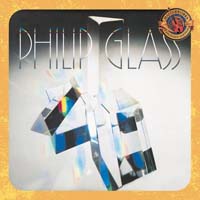 1982Glassworks
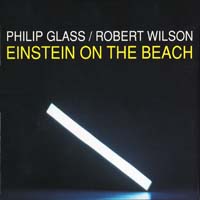 1979Einstein on the Beach
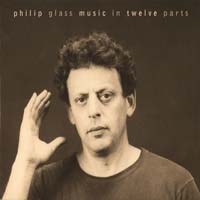 1975Music in Twelve Parts
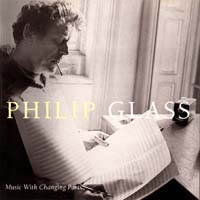 1971Music With Changing Parts
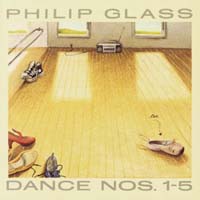 0Dance Nos. 1