
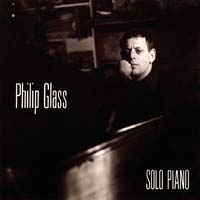
Listening guide: Philip Glass's Metamorphosis
Metamorphosis- Album Overview
"Metamorphosis," released in 1988, is a pivotal album by the renowned American composer Philip Glass, known for his minimalist style and innovative approach to composition. This album, released under the Orange Mountain Music label, consists of five movements that are deeply introspective and reflective of Glass's signature aesthetic. The work is inspired by Franz Kafka's novella "Metamorphosis," which explores themes of transformation and alienation, resonating with Glass's own musical explorations of identity and existence.
The album showcases Glass's ability to create intricate textures and emotive melodies using repetitive structures that evolve over time. Unlike many of his operatic works, "Metamorphosis" is more accessible, featuring solo piano and string arrangements that highlight the emotional depth of the compositions. The recording features the accomplished pianist and collaborator, Michael Riesman, who brings Glass's vision to life with precision and artistry.
"Metamorphosis" has been lauded for its cultural significance, bridging classical and contemporary music, and influencing a generation of composers and musicians. Its minimalist approach has found its way into various media, including film and theater, further solidifying Glass's impact on modern music. The album's tracks, such as "Metamorphosis One" and "Metamorphosis Two," are often performed in concert, showcasing their enduring appeal and relevance. The work has also been featured in various adaptations and performances, illustrating its broad artistic influence over the years.
Review
The sound of "Metamorphosis" is unmistakably Glass, characterized by repetitive motifs and gradual transformations that captivate the listener. The piano serves as the central instrument, weaving intricate patterns that evoke a sense of introspection and contemplation. Each movement flows seamlessly into the next, creating a cohesive narrative that mirrors the themes of transformation found in Kafka's work.
While the album lacks lyrics, the emotions conveyed through the music are profound, allowing listeners to interpret and connect with the piece on a personal level. Glass's artistic vision shines as he transforms simple musical ideas into complex emotional landscapes. The rhythmic pulsing and harmonic shifts create a mesmerizing experience that invites deep listening and reflection.
Highlights
- The intricate piano arrangements that showcase Glass's minimalist style.
- The emotional depth and resonance of the compositions, inviting personal interpretation.
- The seamless flow between movements, creating a cohesive listening experience.
Weak points
- The repetitive nature of the music may not appeal to all listeners.
- Lack of lyrical content may limit accessibility for some audiences.
- Some tracks could benefit from greater dynamic variation to maintain listener engagement.
Overall evaluation
"Metamorphosis" stands as a remarkable achievement in Philip Glass's oeuvre, capturing the essence of transformation through minimalist music. Its emotive power and artistic vision make it a significant work that continues to resonate with audiences today.
Personal rating: 8/10 1990Passages
 1988Dance Nos. 1-5
 1986Songs From Liquid Days
 1983The Photographer
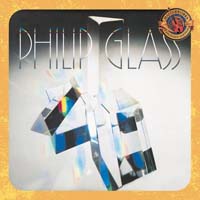 1982Glassworks
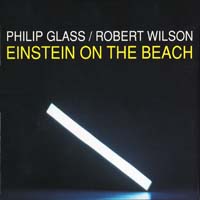 1979Einstein on the Beach
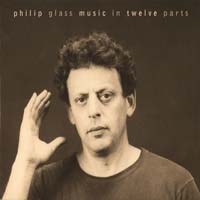 1975Music in Twelve Parts
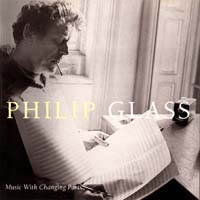 1971Music With Changing Parts
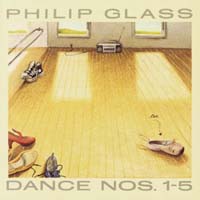 0Dance Nos. 1