
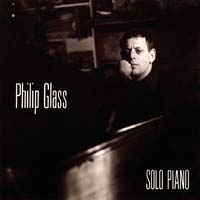
First impressions of Philip Glass – Piano Music Of Philip Glass
Piano Music Of Philip Glass- Album Overview
Released in 1993, "Piano Music Of Philip Glass" is a significant entry in the catalog of one of America’s most celebrated minimalist composers, Philip Glass. This album features a collection of Glass's compositions specifically arranged for solo piano and showcases his distinct style characterized by repetitive structures, shifting harmonies, and a compelling rhythmic drive. The album was released under the Orange Mountain Music label, which Glass founded to promote his works and recordings. The recording was produced by Glass himself, ensuring that the interpretations remained true to his original vision.
The album includes pieces that span several decades of Glass's career, including selections from his operas and film scores, which have played a crucial role in expanding the boundaries of contemporary classical music. Notably, the tracks are performed by acclaimed pianist and Glass collaborator, Michael Riesman, whose mastery of the piano complements the intricate layering and emotional depth of Glass's compositions.
This release stands out not only for its musical content but also as a cultural artifact, illustrating the evolution of minimalism in the late 20th century. Glass's work has influenced a generation of composers, filmmakers, and musicians, making this album a vital listen for anyone interested in understanding the nuances of modern classical music. The singular focus on piano allows listeners to appreciate the subtleties and innovations of Glass's compositional style in an intimate setting.
Review
The sound on "Piano Music Of Philip Glass" is both soothing and cerebral, inviting listeners on a journey through the intricate landscapes that Glass creates. The repetition found in his work serves not only as a structural element but also evokes a meditative quality that resonates deeply. The piano's timbre, combined with Glass's unique harmonic progressions, creates a soundscape that is both familiar and strikingly new.
Glass's artistic vision is evident throughout the album, as he masterfully weaves together themes and motifs that unfold over time, drawing listeners into a state of contemplation. Each track, whether it be a reflection of a larger opera or an independent piece, carries a weight of emotion that is carefully balanced with the minimalist aesthetic. The album's pacing allows for moments of reflection and discovery, making it a rewarding experience for those willing to engage deeply with the music.
Highlights
- Intricate and immersive piano compositions that showcase Glass's minimalist style.
- Masterful performance by Michael Riesman, highlighting the emotional depth of the pieces.
- A significant cultural artifact reflecting the evolution of contemporary classical music.
Weak points
- Some listeners may find the repetitive nature of the music challenging or monotonous.
- The album may not appeal to those unfamiliar with minimalist music.
- Limited variety in instrumentation could detract from the experience for some audiences.
Overall evaluation
"Piano Music Of Philip Glass" is a profound exploration of the minimalist genre, characterized by its intricate simplicity and emotional resonance. For fans of contemporary classical music, it offers an essential listening experience that reflects Glass's innovative spirit.
Personal rating: 8/10 1990Passages
 1988Dance Nos. 1-5
 1986Songs From Liquid Days
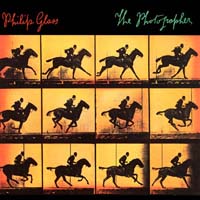 1983The Photographer
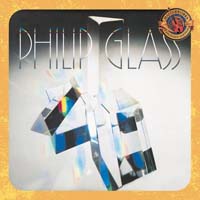 1982Glassworks
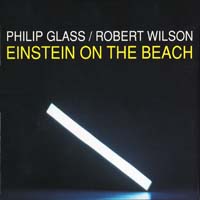 1979Einstein on the Beach
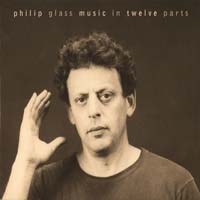 1975Music in Twelve Parts
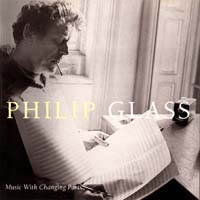 1971Music With Changing Parts
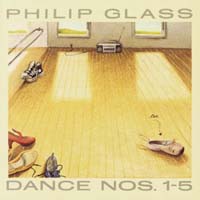 0Dance Nos. 1