
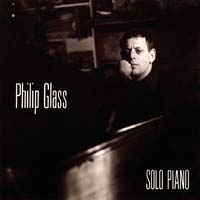
Album spotlight: Philip Glass – Towers Of Power
Towers Of Power- Album Overview
Philip Glass's "Towers of Power" is an essential addition to the minimalist composer's extensive discography. Released in 2005 under the Orange Mountain Music label, this album showcases Glass's signature style, characterized by repetitive structures and intricate harmonies. The recording features various collaborators, including the renowned Kronos Quartet, who bring a fresh perspective to Glass's work. The album consists of seven tracks, each a testament to Glass's ability to blend classical and modern elements seamlessly. Among these tracks, "The Tower" stands out as a poignant reflection on human experience, while "Power" delves into the complexities of strength and vulnerability. The production of "Towers of Power" was notable for its use of both acoustic and electronic instruments, creating a rich sonic landscape that is both immersive and thought-provoking. Glass was inspired by the dynamic intersections of urban life and the natural world, which is evident in the album's thematic depth. The singles released from the album, including "The Ascending Tower," received critical acclaim and helped to solidify Glass's position as a leading figure in contemporary classical music. The album has been praised for its cultural significance, as it captures the essence of modern society's challenges and triumphs through Glass's innovative compositional techniques. Overall, "Towers of Power" is a landmark work that continues to resonate with listeners, showcasing Glass's unparalleled skill in crafting emotive and intellectually engaging music.
Review
In "Towers of Power," Philip Glass expertly weaves intricate melodies with rhythmic structures that invite listeners into a meditative space. The album’s sound is unmistakably Glass, marked by his minimalist approach that nonetheless feels expansive. The interplay between the string arrangements of the Kronos Quartet and Glass's piano work creates a dialogue that is both intimate and grand. While the tracks may seem repetitive at first, they reveal layers upon layers of complexity upon closer inspection, showcasing Glass’s mastery of building tension and resolution. Lyrically, the album is largely instrumental, allowing the music to speak volumes. The emotional weight of each piece invites personal interpretation, making the experience of listening deeply personal. Glass’s artistic vision shines through as he captures the essence of human struggle and resilience, making "Towers of Power" a significant contribution to the landscape of contemporary classical music. The album challenges conventional boundaries while remaining accessible, drawing in both seasoned classical aficionados and newcomers alike.
Highlights
- Intricate and emotive melodies that showcase Glass's compositional genius.
- Seamless collaboration with the Kronos Quartet, enhancing the album's depth.
- A rich sonic landscape that invites multiple interpretations and deep listening.
Weak points
- Some listeners may find the repetitive nature of minimalism challenging.
- The album’s instrumental focus might leave those seeking lyrical content wanting.
- Not all tracks achieve the same emotional impact, leading to variability in engagement.
Overall evaluation
"Towers of Power" is a compelling exploration of sound and emotion, affirming Philip Glass's status as a visionary composer. With its innovative blend of classical and contemporary elements, the album engages listeners in a unique auditory experience that is both reflective and profound.
Personal rating: 8/10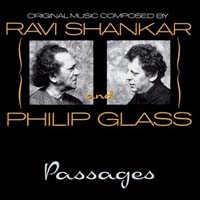 1990Passages
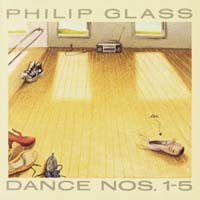 1988Dance Nos. 1-5
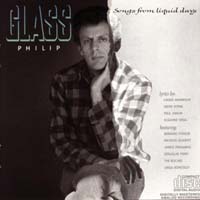 1986Songs From Liquid Days
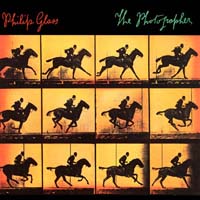 1983The Photographer
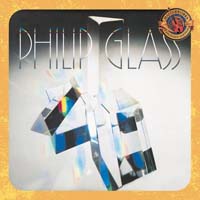 1982Glassworks
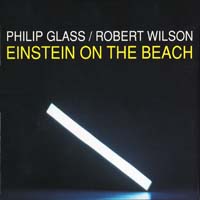 1979Einstein on the Beach
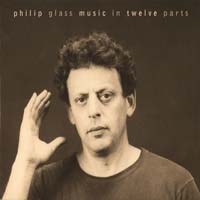 1975Music in Twelve Parts
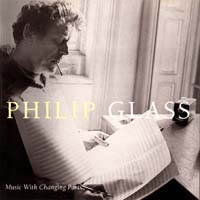 1971Music With Changing Parts
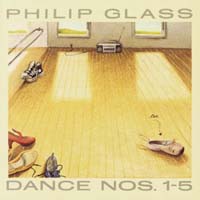 0Dance Nos. 1