
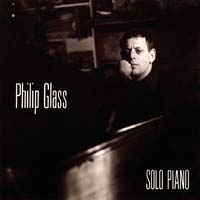
Philip Glass experiments boldly on Trivium
Trivium- Album Overview
Released in 2005, "Trivium" is a captivating exploration of Philip Glass's minimalist compositional style, showcasing his ability to blend traditional orchestration with contemporary sounds. This album was released under the Orange Mountain Music label, which Glass founded to release his own works and those of other composers. "Trivium" features three distinct movements, each rich in rhythmic complexity and melodic innovation, a hallmark of Glass's work. The album includes collaborations with notable musicians, including the renowned violinist Tim Fain and the acclaimed cellist Matt Haimovitz, who bring their unique interpretations to Glass's intricate scores.
Glass, known for his operas and film scores, continues to push boundaries in "Trivium." The album incorporates layers of sound that create an immersive listening experience, inviting audiences into the depths of Glass's musical landscape. It serves as a testament to his enduring relevance in the contemporary classical genre, merging the old with the new while maintaining a distinct voice. While it does not feature any mainstream singles, the album has gained critical acclaim for its artistic ambition and technical precision. "Trivium" stands as a significant addition to Glass's discography, reinforcing his status as a pioneering figure in modern music.
Review
In "Trivium," Philip Glass takes his signature minimalist style and expands it into a rich tapestry of sound that captivates and challenges the listener. The album's three movements are meticulously constructed, each building upon the last to create a profound sense of journey. The rhythmic pulse that characterizes much of Glass's work is present, but here it is complemented by an intricate interplay of strings and winds that adds depth and emotion. The use of silence and space is as important as the notes themselves, allowing the listener to reflect on the music's complexities.
Glass's artistic vision shines through in his ability to evoke feelings without the use of lyrics. Instead, the compositions communicate a narrative through their dynamic shifts and textural contrasts. This is particularly evident in the second movement, which features a haunting solo violin that weaves in and out of the orchestral fabric, creating a dialogue that feels both intimate and expansive. The overall effect is a profound meditation on sound and silence, making "Trivium" not just an album but an experience that resonates long after the final note fades.
Highlights
- Innovative use of orchestration that blends traditional and contemporary elements.
- Emotionally rich compositions that evoke deep reflection.
- Strong collaborative performances that enhance Glass's intricate scores.
Weak points
- May be challenging for listeners unfamiliar with minimalist music.
- The lack of lyrical content can make it less accessible to some audiences.
- Some movements may feel repetitive over extended listening sessions.
Overall evaluation
"Trivium" is a bold statement from Philip Glass, showcasing his unwavering commitment to innovation in the realm of contemporary classical music. The album is a journey through sound that rewards patience and attentive listening.
Personal rating: 8/10 1990Passages
 1988Dance Nos. 1-5
 1986Songs From Liquid Days
 1983The Photographer
 1982Glassworks
 1979Einstein on the Beach
 1975Music in Twelve Parts
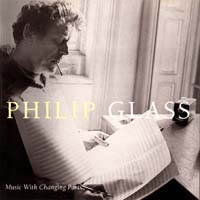 1971Music With Changing Parts
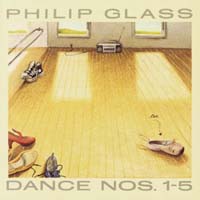 0Dance Nos. 1