
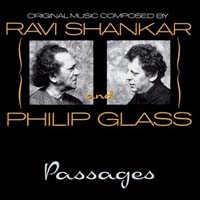
A closer look at Philip Glass's album Passages
Passages- Album Overview
Released in 1990, "Passages" is a collaborative album between renowned minimalist composer Philip Glass and legendary tabla player Zakir Hussain. The album is a unique fusion of Western classical music and Indian classical traditions, showcasing both artists' strengths in their respective genres. Produced by Glass, the album was released under the prestigious label, Orange Mountain Music, which is known for promoting Glass's works and other contemporary classical music. The recording took place in various studios, blending Glass's signature repetitive structures with Hussain's intricate rhythms. The collaboration was a significant endeavor, as it represented a cultural dialogue between different musical traditions, and it aimed to create a sound that transcended geographical boundaries. "Passages" features a total of 8 tracks, including notable pieces like "Morning" and "The Sound of the Universe," which exemplify the seamless integration of Glass's minimalist approach with the rich textures of Indian music. The album's singles, while not chart-toppers, received critical acclaim for their innovative sound and artistic vision. Musically, "Passages" is significant as it reflects the growing trend in the late 20th century of cross-cultural collaborations, paving the way for future artists to explore and merge diverse musical styles. The album's impact can still be felt today, as it continues to inspire musicians seeking to bridge cultural divides through music.
Review
In "Passages," Glass and Hussain create a mesmerizing soundscape that is at once meditative and dynamic. Glass's minimalist compositions are expertly complemented by Hussain's rhythmic complexity, resulting in a musical dialogue that feels both spontaneous and carefully crafted. The album avoids traditional verse-chorus structures, opting instead for a more fluid progression that allows listeners to immerse themselves in the experience. The lack of vocals means the focus remains on the instrumentation, creating a sense of serenity that resonates with the listener. Each track unfolds gradually, inviting listeners to explore the intricacies of the interplay between piano and tabla. There is a palpable sense of exploration in the album, as both artists push their boundaries while remaining true to their roots. However, some may find the repetitive nature of Glass's style challenging, especially in a collaborative context where one might expect more variance. Nonetheless, "Passages" stands out as a testament to both artists' capabilities to transcend their individual styles in favor of a unified vision.
Highlights
- Innovative fusion of Western classical and Indian music traditions.
- Intricate rhythmic patterns that enhance the minimalist structures.
- Strong artistic vision that encourages cultural dialogue through music.
Weak points
- Repetitive nature may not appeal to all listeners.
- Some tracks may feel less dynamic than others.
- Lack of vocals could limit accessibility for some audiences.
Overall evaluation
Overall, "Passages" is a remarkable collaboration that showcases the strength of blending different musical traditions. It stands as a significant work in Philip Glass's discography and highlights the potential of cross-cultural musical collaborations. The album is both soothing and thought-provoking, making it a worthy listen for fans of contemporary classical music.
Personal rating: 8/10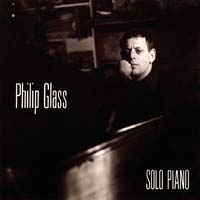 2011Mad Rush: Solo Piano Music Of Philip Glass
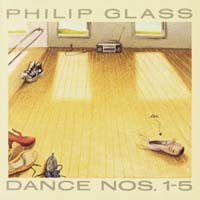 1988Dance Nos. 1-5
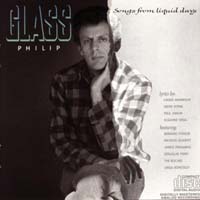 1986Songs From Liquid Days
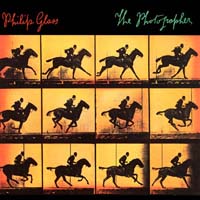 1983The Photographer
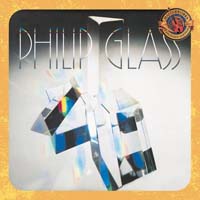 1982Glassworks
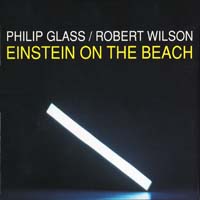 1979Einstein on the Beach
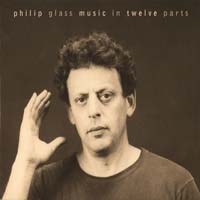 1975Music in Twelve Parts
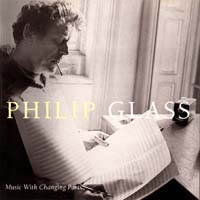 1971Music With Changing Parts
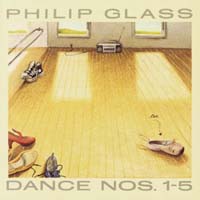 0Dance Nos. 1