
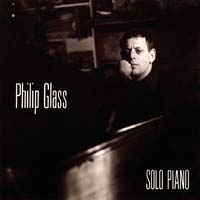
Listening to Early Voice by Philip Glass
Early Voice- Album Overview
Released in 1993, "Early Voice" is an intriguing compilation that encapsulates the experimental essence of Philip Glass, one of the most influential composers of contemporary classical music. The album was released under the Orange Mountain Music label, known for its dedication to preserving Glass's extensive catalog. "Early Voice" features a collection of Glass's works that highlight his pioneering minimalist style, which is characterized by repetitive structures and intricate melodic lines. This album specifically focuses on his early pieces, showcasing the evolution of his musical language.
The recording features notable collaborations, including the renowned soprano, Annick Massis, who brings an ethereal quality to the vocal compositions. The album is composed of selections that span several years, allowing listeners to experience the breadth of Glass's artistry. The tracks on this album not only reflect his unique ability to weave complex patterns but also his capacity to convey deep emotional narratives through music. Although there are no official singles released from this compilation, tracks like "The Hours" resonate with listeners, reflecting Glass's impact on film scoring and contemporary classical music.
"Early Voice" serves as a cultural touchstone, offering insights into the foundations of minimalist music, which has influenced countless artists across various genres. The album invites both new listeners and long-time fans to explore the depth of Glass's early works, making it a significant addition to his discography.
Review
The sound on "Early Voice" is distinctly Glass, marked by a repetitive yet entrancing quality that draws listeners into its melodic structures. Each track unfolds with a deliberate pace, allowing the listener to digest the intricate layers of harmony and rhythm. The use of vocals throughout the album adds a human element that complements the mechanical precision of Glass's compositional style. The artistic vision presented here is both reflective and forward-thinking, as it captures the essence of Glass's early career while hinting at the innovations that would come to define his later works.
While the album does not contain traditional lyrics, the vocal performances convey a range of emotions, from introspection to elation. Glass's ability to blend these elements showcases his unique talent for creating a dialogue between the voice and the instrumental backdrop, effectively blurring the lines between different musical forms. Overall, "Early Voice" is a testament to Glass's genius, representing a significant chapter in his artistic journey.
Highlights
- Intricate vocal compositions that showcase Glass's minimalist style.
- A strong emotional resonance that captivates the listener.
- High-quality production that enhances the listening experience.
Weak points
- Lacks mainstream recognition compared to Glass's more famous works.
- Some tracks may feel repetitive for listeners unfamiliar with minimalist music.
- Limited accessibility for those seeking more traditional song structures.
Overall evaluation
"Early Voice" serves as both an introduction and a deep dive into the early works of Philip Glass, showcasing his innovative approach to composition. While it may not appeal to everyone, it is an essential listen for fans of contemporary classical music and those interested in the development of minimalist styles.
Personal rating: 8/10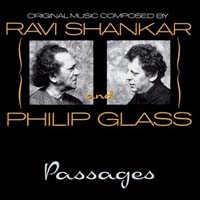 1990Passages
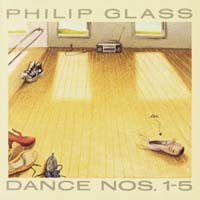 1988Dance Nos. 1-5
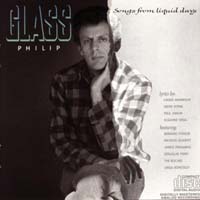 1986Songs From Liquid Days
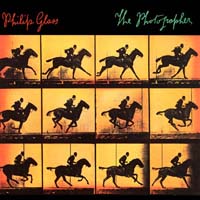 1983The Photographer
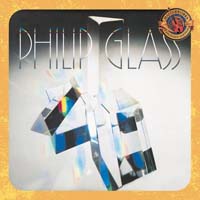 1982Glassworks
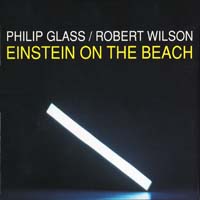 1979Einstein on the Beach
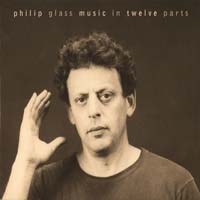 1975Music in Twelve Parts
 1971Music With Changing Parts
 0Dance Nos. 1