
Is Brooklyn Rider Plays Philip Glass Philip Glass's best work yet?
Brooklyn Rider Plays Philip Glass- Album Overview
Released on September 24, 2021, "Brooklyn Rider Plays Philip Glass" showcases the work of renowned composer Philip Glass as interpreted by the acclaimed string quartet Brooklyn Rider. The album is produced by the esteemed Orange Mountain Music label, known for celebrating Glass’s contributions to contemporary classical music. This collaboration brings together a selection of Glass's compositions that highlight his minimalist style, characterized by repetitive structures and a rich harmonic language. The quartet, consisting of violinists Johnny Gandelsman and Colin Jacobsen, violist Nicholas Cords, and cellist Eric Jacobsen, infuses their interpretations with a vibrancy that resonates with both long-time fans of Glass and newcomers alike.
The recording features pieces from various stages of Glass’s career, including selections from his operas, film scores, and chamber works, effectively illustrating his evolution as a composer. Notable tracks include "String Quartet No. 3" and "Company," which showcase the quartet's ability to navigate the intricate layers of Glass's music while maintaining an emotional connection with the listener. The album not only serves as a tribute to Glass but also as a testament to the versatility and artistry of Brooklyn Rider. Its release is significant as it continues to expand the reach of contemporary classical music, bridging the gap between traditional and modern compositions.
Review
Brooklyn Rider’s interpretation of Philip Glass's works is both reverent and innovative, breathing new life into compositions that are often associated with their original contexts. The string quartet's performance is marked by precision and passion, effectively capturing the essence of Glass's minimalist aesthetic. The album avoids becoming a mere replication of Glass's scores; instead, Brooklyn Rider's musicianship allows for a fresh exploration of his musical ideas. The intricate interplay between the instruments creates a dynamic listening experience, where the delicate harmonies and rhythmic patterns unfold with clarity.
Despite the repetitive nature of Glass's music, Brooklyn Rider manages to keep the listener engaged throughout the album. The contrasts in tempo and dynamics are particularly well-executed, adding depth to the listening experience. However, while the album excels in showcasing the string quartet's technical prowess, some may find the emotional resonance of the pieces varies, depending on familiarity with Glass’s broader oeuvre. Overall, the album stands as a significant contribution to both Glass's legacy and the contemporary classical genre.
Highlights
- Exceptional musicianship from Brooklyn Rider, showcasing technical skill and interpretative depth.
- A well-curated selection of works that illustrate the range of Philip Glass's compositions.
- The album's production quality is top-notch, allowing for a rich and immersive listening experience.
Weak points
- Some tracks may feel less impactful for listeners unfamiliar with Glass's style.
- Occasional moments of repetitiveness might challenge listeners seeking more varied musical landscapes.
- The emotional depth may not resonate equally with all tracks, depending on individual listener experiences.
Overall evaluation
"Brooklyn Rider Plays Philip Glass" is a remarkable tribute to the pioneering composer, showcasing the quartet's skillful interpretations of his work. While the album presents a few challenges related to emotional engagement, it ultimately serves as a significant addition to the contemporary classical landscape.
Personal rating: 8/10 1990Passages
 1988Dance Nos. 1-5
 1986Songs From Liquid Days
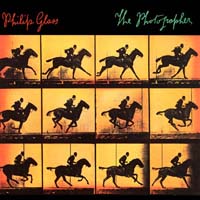 1983The Photographer
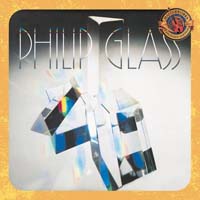 1982Glassworks
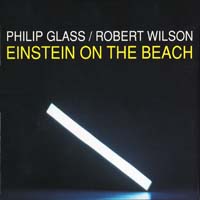 1979Einstein on the Beach
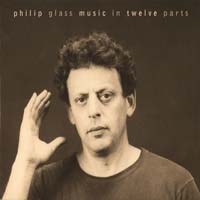 1975Music in Twelve Parts
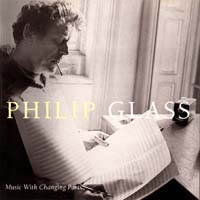 1971Music With Changing Parts
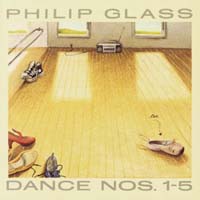 0Dance Nos. 1