
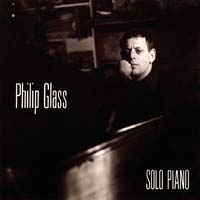
Philip Glass Glassworks by Philip Glass: expectations vs reality
Philip Glass Glassworks- Album Overview
Released in 1982, "Glassworks" is one of Philip Glass's most accessible albums, encapsulating his minimalist style while appealing to a broader audience. The album was released under the prestigious label, CBS Records, and is often credited with bringing Glass's distinct sound to the forefront of contemporary music. "Glassworks" features a series of interconnected pieces that showcase the composer’s innovative approach to structure and form, blending classical elements with modern sensibilities. The recording took place in New York, where Glass collaborated with a variety of musicians, including long-time associates like Michael Riesman and Jon Gibson.
Notably, "Glassworks" includes tracks that have become staples of his repertoire, such as "Opening," "Floe," and "The Light." These compositions highlight Glass's signature use of repetition, gradually evolving harmonies, and intricate textures. The album's production reflects a meticulous attention to detail, aiming to create a sound that is both ethereal and engaging. In contrast to his previous works, which were often perceived as challenging, "Glassworks" was designed to be more approachable, aiming to introduce new listeners to the world of minimalism.
Upon its release, "Glassworks" garnered critical acclaim and commercial success, serving as a bridge between avant-garde music and mainstream appreciation. The album's influence can be seen across various genres, inspiring artists in classical, electronic, and even popular music. Its cultural significance is marked by its role in the evolution of minimalist music, setting a precedent for future generations of composers and musicians.
Review
Philip Glass's "Glassworks" is an exemplary representation of minimalist music, characterized by its intricate structures and hypnotic rhythms. The album successfully merges classical sensibilities with contemporary themes, creating a sound that is both timeless and forward-thinking. Each track ebbs and flows, inviting listeners into a meditative space, yet there's an underlying dynamism that keeps the experience engaging. The lack of conventional lyrics allows the music to speak for itself, showcasing Glass's mastery of melody and harmony.
Artistic vision is at the forefront of "Glassworks," as Glass explores the potential of repetition and gradual change. The album's opening track, "Opening," sets a tranquil yet compelling tone, while subsequent pieces like "Floe" and "The Light" build upon this foundation with increasing complexity. The interplay of acoustic instruments and synthesized sounds creates a rich auditory tapestry that captivates throughout its runtime. While some may find the repetitive nature of minimalist music challenging, "Glassworks" strikes a balance that makes it accessible without sacrificing depth.
Highlights
- Beautifully intricate compositions that showcase Glass's minimalist style.
- Accessible sound that appeals to both long-time fans and new listeners alike.
- Innovative blending of classical and contemporary musical elements.
Weak points
- Some listeners may find the repetitive nature of the music monotonous.
- The album's cohesiveness may lead to a lack of standout tracks for casual listeners.
- Not all compositions may resonate with those unfamiliar with minimalist music.
Overall evaluation
"Glassworks" stands as a landmark achievement in Philip Glass's career and in the world of minimalist music. It successfully bridges the gap between avant-garde and mainstream, providing an inviting entry point for new listeners while retaining the depth that long-time fans appreciate. Its cultural significance and artistic vision make it a vital piece in the contemporary music landscape.
Personal rating: 8/10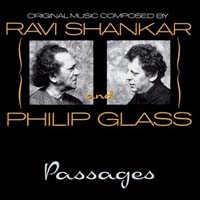 1990Passages
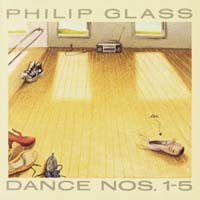 1988Dance Nos. 1-5
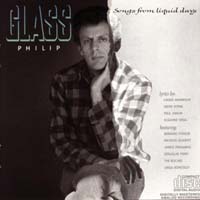 1986Songs From Liquid Days
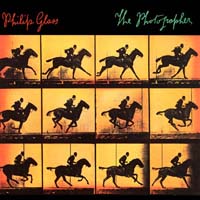 1983The Photographer
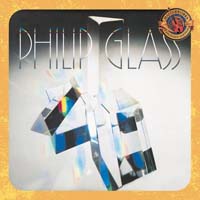 1982Glassworks
 1979Einstein on the Beach
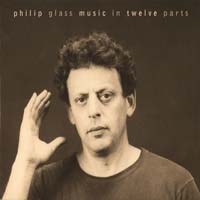 1975Music in Twelve Parts
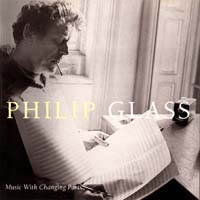 1971Music With Changing Parts
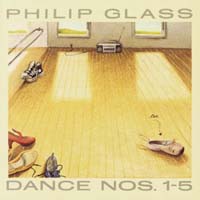 0Dance Nos. 1