
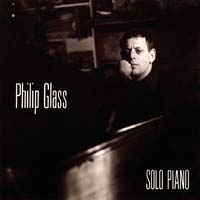
The evolution of Philip Glass in Dances & Sonata
Dances & Sonata- Album Overview
Released in 2021, "Dances & Sonata" is a remarkable addition to Philip Glass's prolific catalog, showcasing the renowned composer’s continual evolution in the realm of minimalism and contemporary classical music. The album is produced under the Orange Mountain Music label, which has been dedicated to promoting Glass's work and legacy. The recording features a selection of pieces that highlight the intricate textures and rhythmic complexities that define Glass's style.
This album consists of two distinct segments: a series of dances that reflect Glass's capacity for creating vibrant, dynamic soundscapes, and a sonata that delves into more introspective territory. Collaborating with accomplished musicians, including violinist Tim Fain and pianist Maki Namekawa, Glass explores a range of emotions and motifs throughout the album. Each piece is meticulously crafted, showcasing not only Glass's mastery of form and structure but also his ability to engage listeners on a deeper emotional level.
Musically, "Dances & Sonata" represents a significant milestone in Glass's career, as it reflects his adaptation to modern influences while staying true to the minimalistic roots that garnered him fame. The album has been well-received, drawing attention for its intricate layering and rhythmic innovation. This release has further cemented Glass's position as a pivotal figure in the contemporary classical music scene, resonating with both longtime fans and new audiences alike.
Review
"Dances & Sonata" encapsulates the essence of Philip Glass's artistic vision, characterized by repetitive structures and evolving themes. The opening tracks of the "Dances" section are vibrant and energetic, inviting listeners into a world that feels both familiar and innovative. The use of rhythm and pace creates a palpable sense of movement, drawing parallels with the physicality of dance itself. On the other hand, the "Sonata" segment invites contemplation with its more subdued and introspective melodies, showcasing a different facet of Glass's compositional style.
The album's production quality is exceptional, allowing each instrument to shine while maintaining a cohesive sound. Glass's ability to blend traditional classical elements with modern sensibilities is on full display, making "Dances & Sonata" a significant contribution to his oeuvre. While the album may challenge some listeners due to its minimalist nature, it rewards those willing to immerse themselves in its complexity and depth.
Highlights
- Intricate arrangements that showcase Glass's signature minimalist style.
- Dynamic interplay between musicians, creating a rich listening experience.
- A successful balance of energetic and contemplative pieces that engage a wide audience.
Weak points
- Some listeners may find the minimalist approach repetitive over time.
- The album's introspective tracks may not appeal to those seeking more traditional classical music.
- Lack of vocal elements may limit its accessibility for fans of lyrical compositions.
Overall evaluation
In "Dances & Sonata," Philip Glass continues to demonstrate his prowess as a leading figure in contemporary classical music, pushing boundaries while remaining rooted in minimalism. This album is a testament to his enduring creativity and artistic vision.
Personal rating: 8/10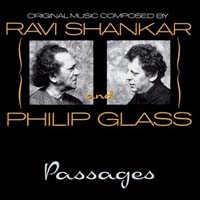 1990Passages
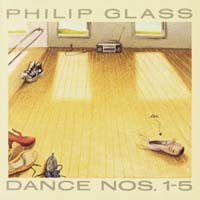 1988Dance Nos. 1-5
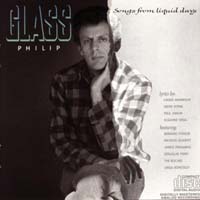 1986Songs From Liquid Days
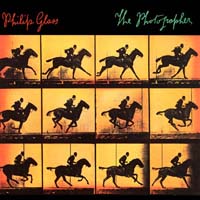 1983The Photographer
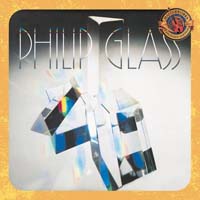 1982Glassworks
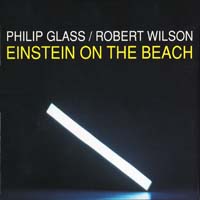 1979Einstein on the Beach
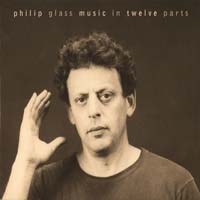 1975Music in Twelve Parts
 1971Music With Changing Parts
 0Dance Nos. 1