
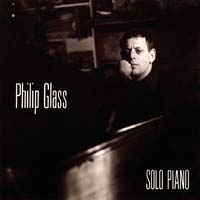
Check the vibes: Philip Glass – Symphony No. 2
Symphony No. 2- Album Overview
Philip Glass's "Symphony No. 2," also known as the "Chant," was released in 1994 under the Orange Mountain Music label. This work is a significant addition to Glass's prolific output, showcasing his minimalist style that has captivated audiences for decades. The symphony was commissioned by the Baltimore Symphony Orchestra and premiered at the Meyerhoff Symphony Hall in Baltimore. It features four movements, each characterized by Glass's signature repetitive structures and hypnotic melodies. The recording includes performances by the acclaimed ensemble, along with the Baltimore Symphony Orchestra, conducted by David Robertson.
This symphony was notable not just for its musical content, but also for its cultural significance. It emerged during a period when orchestral music was experiencing a revival, partly due to the influence of composers like Glass who bridged classical and contemporary music. The work is infused with a sense of spirituality and introspection, reflecting the composer's ongoing exploration of themes related to human experience. The recording has been praised for its clarity and depth, allowing listeners to fully immerse themselves in the rich textures and intricate patterns that define Glass's work. "Symphony No. 2" continues to be a vital piece in the orchestral repertoire, demonstrating Glass's enduring relevance in the world of modern classical music.
Review
In "Symphony No. 2," Philip Glass demonstrates his mastery of minimalism, creating a sonic landscape that is both meditative and engaging. The work unfolds gradually, inviting listeners to surrender to its rhythmic patterns and evolving harmonies. Each movement offers distinct emotional landscapes, from contemplative introspection to dynamic crescendos, showcasing Glass's ability to balance simplicity with complexity. The orchestration is lush yet clear, providing a perfect backdrop for the thematic development that characterizes the symphony.
Glass's artistic vision shines through in the way he constructs his motifs, weaving them together to create a tapestry of sound that is both cohesive and compelling. The lack of traditional climaxes in favor of a more organic progression may challenge some listeners, but those open to the experience will find themselves rewarded with a profound connection to the music. Overall, "Symphony No. 2" stands as a testament to Glass’s innovative approach to contemporary classical music, inviting both seasoned aficionados and newcomers to explore its depths.
Highlights
- The seamless integration of minimalist motifs creates a captivating listening experience.
- The lush orchestration highlights Glass's ability to evoke emotions through sound.
- The spiritual undertones resonate deeply, providing a reflective atmosphere for listeners.
Weak points
- Some listeners may find the repetitive nature of the music challenging.
- The lack of a pronounced climax might leave certain audiences craving more dramatic shifts.
- Not all movements are as compelling, leading to moments of diminished engagement.
Overall evaluation
"Symphony No. 2" is a remarkable exploration of sound and emotion, showcasing Philip Glass's unique contributions to contemporary classical music. While it may not cater to everyone’s tastes, its intricate layers and meditative qualities offer a rewarding experience for those willing to engage deeply with the music.
Personal rating: 8/10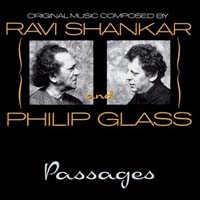 1990Passages
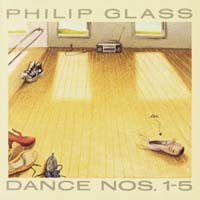 1988Dance Nos. 1-5
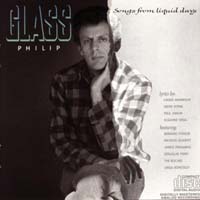 1986Songs From Liquid Days
 1983The Photographer
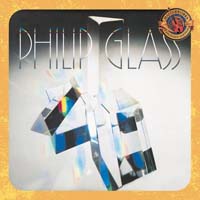 1982Glassworks
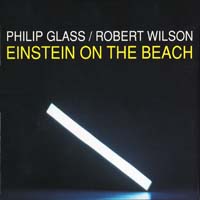 1979Einstein on the Beach
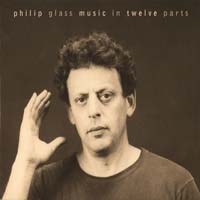 1975Music in Twelve Parts
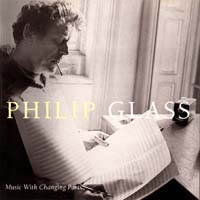 1971Music With Changing Parts
 0Dance Nos. 1