
Inside the atmosphere of Philip Glass's Violin Concerto No. 2: The American Four Seasons
Violin Concerto No. 2: The American Four Seasons- Album Overview
Released in 2018, Philip Glass's "Violin Concerto No. 2: The American Four Seasons" is a remarkable work that showcases the composer's unique minimalist style while paying homage to Vivaldi's iconic "The Four Seasons." The album, available under the Orange Mountain Music label, features violinist Timothy Fain, who brings an exceptional vibrancy and depth to the piece. The concerto is structured into four movements, each reflecting the changing seasons and the American landscape through Glass's distinctive rhythmic and melodic language.
The recording was made in collaboration with conductor Robert Ziegler and the London Philharmonic Orchestra, which adds a rich orchestral texture to the violin's prominent role. Glass was inspired by the American landscape, melding traditional classical elements with a contemporary twist, effectively bridging the gap between the past and present. The album not only demonstrates Glass's prowess as a composer but also his ability to expand the narrative of classical music into modern contexts.
As a synthesis of classical techniques and modern sensibilities, the concerto represents a significant addition to the contemporary classical canon. The album has been praised for its innovative approach and has solidified Glass's status as a leading figure in American music. This work is not merely a continuation of his earlier explorations but a profound reflection on the relationship between nature and music, making it a vital listening experience for both classical enthusiasts and newcomers alike.
Review
Philip Glass's "Violin Concerto No. 2" is a captivating journey that intertwines the essence of nature with the intricacies of modern composition. From the outset, the concerto's rhythmic motifs and lyrical passages create an immersive atmosphere that engages the listener. Timothy Fain's violin performance is particularly striking; his interpretation conveys both technical precision and emotional depth, effectively embodying the seasons' varied moods.
The orchestration is rich and evocative, with Glass employing a palette of sounds that transport the audience through the lush landscapes of America. Each movement possesses its own character, with the first capturing the vitality of spring, the second reflecting the heat and bustle of summer, the third evoking the melancholic beauty of autumn, and the final movement channeling the starkness of winter. Glass's signature minimalist style is present, yet he stretches beyond the confines of repetition, allowing for moments of lyrical expansion that resonate beautifully with the listener.
Overall, the album's artistic vision is clear: to celebrate the natural world through music while simultaneously pushing the boundaries of classical form. Glass's ability to evoke such a wide array of emotions through deceptively simple structures is a testament to his genius, making this concerto a noteworthy addition to his oeuvre.
Highlights
- Timothy Fain's expressive violin performance that captures the essence of each season.
- Rich orchestration from the London Philharmonic Orchestra enhances the listening experience.
- A successful blend of minimalist techniques with an evocative narrative structure.
Weak points
- Some listeners may find the minimalist repetition less engaging over longer stretches.
- The album's contemporary approach may not resonate with purists of classical music.
- Limited thematic development within individual movements could feel less dynamic to some.
Overall evaluation
Philip Glass's "Violin Concerto No. 2: The American Four Seasons" is a significant exploration of the relationship between music and nature, showcasing the composer's ability to innovate within the classical tradition. While it presents some challenges for listeners unaccustomed to minimalist styles, the overall impact is a beautifully crafted work that speaks to the heart of the American experience.
Personal rating: 8/10 1990Passages
 1988Dance Nos. 1-5
 1986Songs From Liquid Days
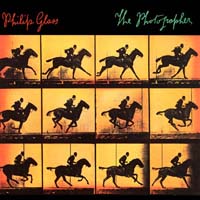 1983The Photographer
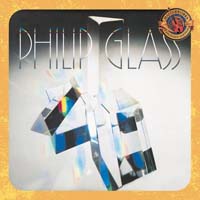 1982Glassworks
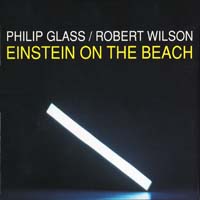 1979Einstein on the Beach
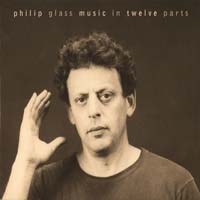 1975Music in Twelve Parts
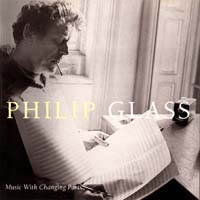 1971Music With Changing Parts
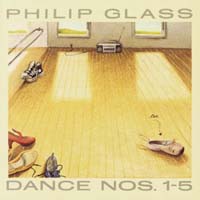 0Dance Nos. 1