
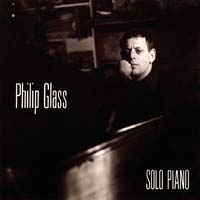
Solo Piano: discovering Philip Glass's artistry
Solo Piano- Album Overview
"Solo Piano," released in 1989, is a seminal work by renowned American composer Philip Glass. This album is a collection of minimalist piano pieces that showcases Glass's unique compositional style, characterized by repetitive structures and intricate melodic lines. Released under the label Chandos, "Solo Piano" features a total of 20 tracks, each encapsulating the essence of Glass's artistic vision. The album includes pieces that have been adapted from various Glass works, including film scores and theatrical compositions, allowing listeners to experience the versatility of his music.
The recording took place in a studio environment that allowed for the intimate sound of the piano to be captured, highlighting the nuances of Glass's playing technique. Glass himself performed all the pieces, providing an authentic interpretation of his work. The album has not only contributed to the classical genre but has also found a place in contemporary music, influencing countless artists across various genres.
In addition to its artistic merit, "Solo Piano" has had a significant cultural impact, popularizing minimalist music and bringing it to wider audiences. The album has been praised for its emotional depth and accessibility, making it an essential listen for both classical music aficionados and casual listeners alike. Tracks such as "Opening" and "Metamorphosis One" have become iconic, often used in films and performances, further cementing Glass's status as a leading figure in modern music.
Review
The sound of "Solo Piano" is marked by its clarity and simplicity, allowing each note to resonate with emotional weight. Glass's technique is both delicate and powerful, creating a tapestry of sound that invites introspection. The compositions, while minimalist, are rich in texture and complexity, offering a profound listening experience. Unlike many contemporary works that rely heavily on orchestration, "Solo Piano" emphasizes the solo instrument's capabilities, showcasing Glass's mastery of the piano as a vehicle for his artistic expression.
While the album does not contain lyrics, the music itself tells a story, evoking a wide range of emotions from serenity to melancholy. Glass's artistic vision is evident in the way each piece flows into the next, creating a cohesive narrative that captivates the listener. The repetitive motifs serve to hypnotize, drawing the audience into a contemplative state, making it a meditative experience rather than mere background music.
Highlights
- Intricate and emotive piano compositions that resonate deeply with listeners.
- Glass’s unique ability to blend minimalism with emotional depth.
- The album’s influence on both classical and contemporary music landscapes.
Weak points
- Some may find the repetitive nature of the pieces less engaging over time.
- The lack of variety in instrumentation could limit appeal for certain audiences.
- Listeners unfamiliar with minimalist music might require a period of adjustment.
Overall evaluation
"Solo Piano" is a masterful representation of Philip Glass's artistry, showcasing the power of minimalism through the solo piano format. It stands as a significant contribution to both classical and contemporary music, highlighting Glass's innovative approach to composition.
Personal rating: 9/10 1990Passages
 1988Dance Nos. 1-5
 1986Songs From Liquid Days
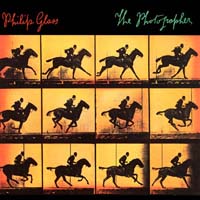 1983The Photographer
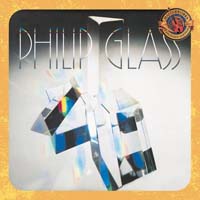 1982Glassworks
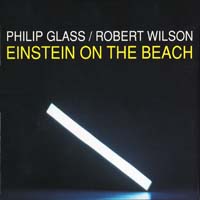 1979Einstein on the Beach
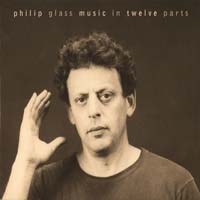 1975Music in Twelve Parts
 1971Music With Changing Parts
 0Dance Nos. 1