
Listening guide: Philip Glass's The Witches Of Venice
The Witches Of Venice- Album Overview
Released in 2021, "The Witches of Venice" is an album by the renowned minimalist composer Philip Glass. This work is part of the theater score for a play of the same name, which is based on the writings of the famed English playwright and poet, David Mamet. The album showcases Glass's signature style, characterized by repetitive structures, intricate melodies, and a rich harmonic palette, all of which invite listeners into a world of both haunting beauty and profound emotional depth.
The album was released under the Orange Mountain Music label, which Glass founded to distribute his works. The recording features a combination of orchestral and electronic elements, blending traditional classical music with modern sounds. Collaborators on this project include a selection of talented musicians, reflecting Glass's propensity for teamwork and innovation.
While no singles were officially released from the album, several tracks have gained attention for their evocative nature and ability to convey a narrative through sound. "The Witches of Venice" stands out in Glass's discography for its thematic exploration of dark fantasy and human emotion, which resonates with contemporary cultural conversations about power dynamics and societal roles. The intricate layering of sounds and the rhythmic complexity demonstrate Glass's mastery and commitment to evolving the classical genre.
Review
Listening to "The Witches of Venice" is an experience that transcends mere auditory pleasure; it is an immersion into a meticulously crafted soundscape. Glass's ability to weave together disparate musical threads creates a tapestry that is both cohesive and dynamic. The opening tracks establish a foreboding atmosphere, employing dissonance and tension that invites the listener into the world of the witches. As the album progresses, the motifs evolve, reflecting a narrative arc that mirrors the psychological complexity of the characters.
Glass's minimalist approach is not just about repetition; it's about transformation. Each motif is revisited and reinterpreted, unveiling new facets with each iteration. This technique fosters a sense of anticipation, compelling the listener to engage actively with the music. The orchestration is rich, with strings and woodwinds playing a pivotal role in conveying the emotive undercurrents of the score. Glass's artistic vision remains sharp, demonstrating his ability to adapt traditional forms to contemporary narratives.
Highlights
- Innovative blend of orchestral and electronic elements that enriches the listening experience.
- Emotive depth and narrative complexity that engages listeners on multiple levels.
- Masterful orchestration that showcases the talents of the ensemble performers.
Weak points
- The repetitive structures may not appeal to all listeners, particularly those unfamiliar with minimalist music.
- Some tracks lack distinct melodic hooks, which can make them feel less memorable.
- The thematic content might be too abstract for casual listeners seeking straightforward narratives.
Overall evaluation
"The Witches of Venice" is a compelling addition to Philip Glass's oeuvre, reflecting his enduring relevance in contemporary music. While it may challenge some listeners with its minimalist tendencies, those willing to engage with its intricacies will find a rich and rewarding experience. Glass continues to push the boundaries of classical music, making this album a significant work in his career.
Personal rating: 8/10 1990Passages
 1988Dance Nos. 1-5
 1986Songs From Liquid Days
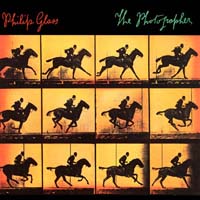 1983The Photographer
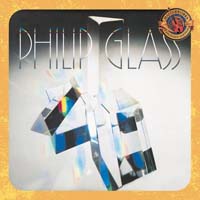 1982Glassworks
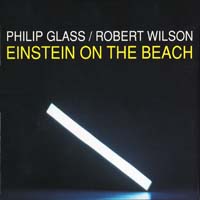 1979Einstein on the Beach
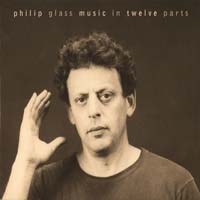 1975Music in Twelve Parts
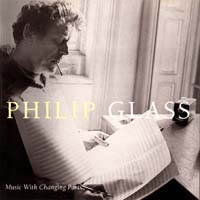 1971Music With Changing Parts
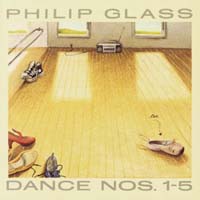 0Dance Nos. 1