
Philip Glass experiments boldly on Music In The Shape Of A Square
Music In The Shape Of A Square- Album Overview
Released in 1990, "Music In The Shape Of A Square" is an ambitious composition by renowned minimalist composer Philip Glass. The album is part of his larger body of work that redefined modern classical music, showcasing his characteristic use of repetitive structures and evolving harmonies. This particular piece was commissioned by the acclaimed choreographer and dancer Lucinda Childs, who is known for her innovative approaches to dance and performance art. The work was produced under the label Elektra Nonesuch, which has been pivotal in promoting contemporary classical music.
The album features a blend of Glass’s trademark minimalist style with influences from various genres, including jazz and traditional classical forms. The recording was made with a small ensemble that includes strings, woodwinds, and piano, allowing for an intimate yet complex sonic palette. Collaborators on this project included the Philip Glass Ensemble, known for their expertise in performing Glass's intricate works. "Music In The Shape Of A Square" primarily consists of a single extended piece that unfolds in a series of movements, each exploring different themes and motifs.
This work is significant not only for its musical content but also for its cultural impact. It highlights the intersection of music and dance, as it was designed to accompany Childs' choreography, further emphasizing the idea that music can transcend traditional boundaries. The album has been influential in both the classical and contemporary music scenes, inspiring a new generation of composers and musicians to explore minimalist concepts in their own works.
Review
Philip Glass’s "Music In The Shape Of A Square" stands as a testament to his innovative spirit and artistic vision. The soundscape is characterized by its intricate interplay of repetitive motifs, which create a hypnotic effect that pulls the listener into a world of rhythmic exploration. Glass's use of dynamics and texture is particularly noteworthy, as he weaves together layers of sound that evolve throughout the piece, providing a sense of movement and progression. The album's structure—while seemingly simple at first glance—reveals a depth that rewards repeated listens.
Artistically, Glass has succeeded in crafting a work that is both contemplative and engaging. The absence of traditional lyrical content allows the music to speak for itself, highlighting the emotional resonance of the melodies and harmonies. However, this also means that some listeners may find the lack of vocal elements limiting. Overall, the album reflects Glass's ability to push boundaries within the minimalist genre while still maintaining accessibility to a wider audience.
Highlights
- Intricate and engaging soundscapes that showcase Glass’s minimalist style.
- Seamless integration of music and dance, highlighting the collaborative nature of the work.
- Rich harmonic textures that evolve beautifully throughout the piece.
Weak points
- Lack of vocal elements may not appeal to all listeners.
- Some may find the repetitive motifs too simplistic over extended listening sessions.
- Limited accessibility for those unfamiliar with minimalist music conventions.
Overall evaluation
In "Music In The Shape Of A Square," Philip Glass demonstrates his masterful command of minimalist composition while pushing the boundaries of musical storytelling. This album is a significant entry in Glass’s discography and serves as a bridge between music and dance. It is a challenging but rewarding listen that showcases the power of repetition and structure in contemporary classical music.
Personal rating: 8/10 1990Passages
 1988Dance Nos. 1-5
 1986Songs From Liquid Days
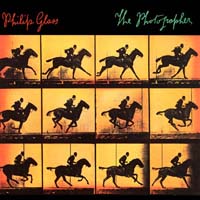 1983The Photographer
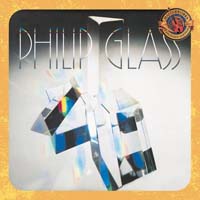 1982Glassworks
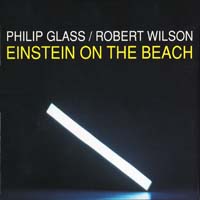 1979Einstein on the Beach
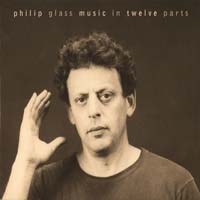 1975Music in Twelve Parts
 1971Music With Changing Parts
 0Dance Nos. 1