
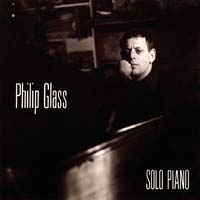
Early Keyboard Music: what Philip Glass wants you to feel
Early Keyboard Music- Album Overview
Released in 1988, "Early Keyboard Music" showcases the pioneering work of American composer Philip Glass, renowned for his minimalist style and innovative approach to composition. This album, released under the label Orange Mountain Music, features a collection of works that reflect Glass's early influences and his unique ability to blend classical forms with modern sensibilities. The music on this album is characterized by repetitive structures, intricate melodies, and a meditative quality that invites listeners to explore emotional depths.
Glass recorded this album with a focus on the keyboard, a central instrument in his oeuvre. The tracks are performed on various keyboard instruments, including the harpsichord and piano, bringing a rich texture to the compositions. Collaborators include accomplished musicians who bring their expertise to these pieces, enhancing the album's aesthetic and emotional impact. With tracks that evoke a sense of nostalgia and introspection, "Early Keyboard Music" serves as both a homage to traditional keyboard music and a testament to Glass's innovative spirit.
The album is significant not only for its musical content but also for its cultural context, illustrating the evolution of contemporary classical music in the late 20th century. While Glass’s trademark repetitive motifs are present, this work allows for a more contemplative listening experience, encouraging audiences to engage with the music on a personal level. Overall, "Early Keyboard Music" is a crucial entry in Glass's discography, showcasing his artistic vision and the emotional landscapes he wishes to evoke.
Review
Philip Glass’s "Early Keyboard Music" stands as a captivating exploration of minimalist composition, where the essence of each note unfolds with deliberate simplicity. The sound is intricately layered, with the harmonic structures inviting deep contemplation. Unlike some of his more complex works, this album emphasizes a tranquil atmosphere, allowing listeners to immerse themselves in a world of repetitive motifs that feel both familiar and fresh.
The absence of lyrics in this instrumental collection does not diminish its emotional weight; rather, it enhances the listener's experience, allowing for personal interpretation and reflection. Glass's artistic vision is clear: he aims to evoke feelings of nostalgia, introspection, and serenity. The music flows seamlessly from one track to the next, creating a cohesive narrative that resonates deeply.
Each composition serves as a testament to Glass’s ability to harness the power of minimalism, creating spaces within the music where emotion can flourish. The album's pacing encourages a meditative state, making it an excellent backdrop for contemplation or quiet reflection. Overall, "Early Keyboard Music" is a remarkable achievement in Glass's career, reaffirming his status as a master of contemporary classical music.
Highlights
- Intricate and meditative soundscapes that encourage deep listening.
- Seamless flow between tracks, creating a cohesive listening experience.
- A unique blend of traditional and contemporary keyboard techniques.
Weak points
- Some listeners may find the repetitive motifs less engaging over time.
- Lack of vocal elements might limit appeal to those who prefer lyrical music.
- Its minimalist approach may not resonate with all audiences.
Overall evaluation
"Early Keyboard Music" is a poignant exploration of Philip Glass's minimalist approach, immersing listeners in a serene world of sound that invites personal reflection. While it may not appeal to every musical taste, it remains a significant work that showcases Glass's talent for crafting emotive, contemplative music.
Personal rating: 8/10 1990Passages
 1988Dance Nos. 1-5
 1986Songs From Liquid Days
 1983The Photographer
 1982Glassworks
 1979Einstein on the Beach
 1975Music in Twelve Parts
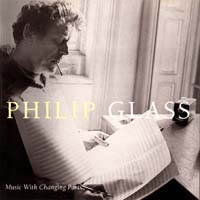 1971Music With Changing Parts
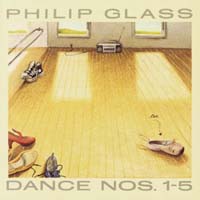 0Dance Nos. 1