
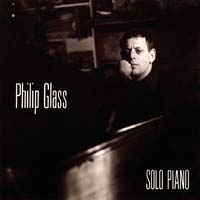
Album spotlight: Philip Glass – Barber / Dvo?ák / Glass
Barber / Dvo?ák / Glass- Album Overview
Released in 2018 under the esteemed Orange Mountain Music label, "Barber / Dvo?ák / Glass" is a captivating exploration of the works of three eminent composers, showcasing Philip Glass's unique interpretations alongside the original compositions by Samuel Barber and Antonín Dvo?ák. This album is a part of Glass's ongoing contribution to contemporary classical music, merging his minimalist style with the lush Romanticism of Barber and Dvo?ák.
The album features a selection of pieces that highlight the diverse emotive landscapes each composer offers. Notably, Glass collaborates with the renowned New York-based ensemble, the American Modern Ensemble, which is known for its commitment to performing contemporary and classical repertoire. The recording takes place in the acoustically rich surroundings of the American Academy of Arts and Letters in New York City, providing an intimate atmosphere that enhances the emotional depth of the music.
Among the tracks, listeners will find Barber's "Adagio for Strings," a hauntingly beautiful piece that has become a staple in the classical canon, alongside Dvo?ák's invigorating "Slavonic Dances" that breathe life into the album with their rhythmic energy. Glass's own compositions interspersed throughout the album serve to bridge these two worlds, creating a dialogue between the past and the present.
The album not only showcases the brilliance of these composers but also highlights Glass's artistic vision of making classical music accessible and relevant to modern audiences. Its cultural significance lies in its ability to connect with listeners on an emotional level, reflecting the timeless nature of these works while also inviting a new generation to appreciate their beauty.
Review
Philip Glass's "Barber / Dvo?ák / Glass" presents a compelling fusion that reverberates with both nostalgia and innovation. The album opens with Barber's "Adagio for Strings," where the ensemble's interpretation is both respectful and fresh, capturing the piece's inherent melancholy while adding subtle layers of texture that resonate with Glass's minimalist principles. Dvo?ák's "Slavonic Dances" offers a vibrant contrast, showcasing rhythmic vitality and a folk-inspired exuberance that invites listeners to tap their feet along.
Glass’s additions are seamlessly integrated, providing a modern sensibility that does not overshadow the original works but rather complements them. The production quality is pristine, allowing the nuances of each instrument to shine through. However, while Glass's minimalist tendencies are evident, they may also challenge listeners who are more accustomed to traditional classical interpretations. The interplay of these three composers forms a rich tapestry of sound that encourages repeated listens, revealing new insights with each session.
Highlights
- Innovative interpretations that blend classic and contemporary styles.
- Outstanding performance by the American Modern Ensemble, showcasing technical prowess.
- High production quality that enhances the listening experience.
Weak points
- Glass's minimalist approach may not resonate with all classical music purists.
- Some listeners may find the transitions between pieces jarring.
- The album's thematic cohesion could be improved for a more unified listening experience.
Overall evaluation
"Barber / Dvo?ák / Glass" is a thought-provoking album that serves as a testament to Philip Glass's enduring relevance in the classical music landscape. While it may challenge traditionalists, its innovative spirit and emotional depth make it a worthwhile listen for anyone interested in the evolution of classical music.
Personal rating: 8/10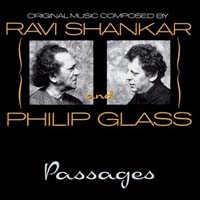 1990Passages
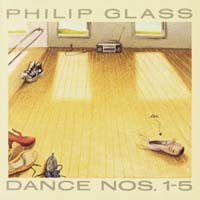 1988Dance Nos. 1-5
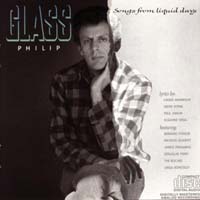 1986Songs From Liquid Days
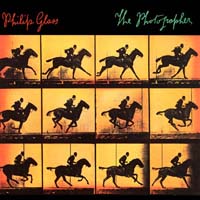 1983The Photographer
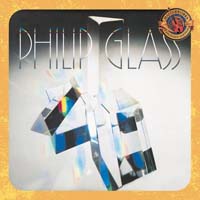 1982Glassworks
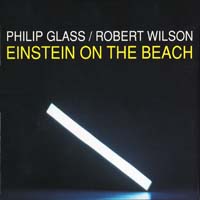 1979Einstein on the Beach
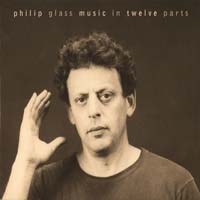 1975Music in Twelve Parts
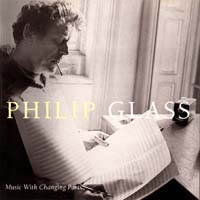 1971Music With Changing Parts
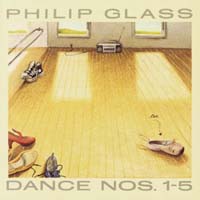 0Dance Nos. 1