
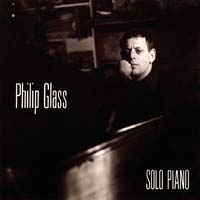
Philip Glass – Dracula: track-by-track perspective
Dracula- Album Overview
Released in 1998, "Dracula" is a hauntingly beautiful score composed by Philip Glass for the 1931 film of the same name, directed by Tod Browning. This album, released under the Orange Mountain Music label, showcases Glass's signature minimalist style through its innovative orchestration and rhythmic complexity. The score was recorded with the acclaimed Kronos Quartet, known for their eclectic approach to contemporary music, along with various musicians who contributed to the rich tapestry of sound.
The project emerged as part of a broader trend in the late 1990s where classic silent films were being re-scored by modern composers, reintroducing these cinematic treasures to new audiences. Glass's work on "Dracula" stands out not only for its artistry but also for its ability to evoke the eerie atmosphere of the original film. The score is instrumental, capturing the gothic essence of the narrative without the need for lyrics, allowing the listener to immerse themselves fully in the haunting world of Count Dracula.
One of the album’s notable aspects is its structural composition, where Glass utilizes repetitive motifs to create a sense of tension and unease, resonating with the themes of the film. The score has been performed live in various settings, further solidifying its place in contemporary classical music. While there were no singles from the album per se, its tracks have found a home in various classical music playlists, celebrated by both Glass enthusiasts and classical music lovers alike. The cultural significance of “Dracula” lies in its fusion of film and music, illustrating how soundscapes can enhance storytelling and emotional depth in cinema.
Review
Philip Glass’s "Dracula" is a masterful reimagining of a classic score that transcends its original context. The album is a testament to Glass's ability to create a sound world that is both compelling and unsettling. Each track unfolds like a scene in a dark tale, layering motifs that build tension and evoke emotional responses.
The minimalist approach is evident throughout; repetitive phrases interweave with dynamic shifts, capturing the essence of the film's themes of desire, fear, and the supernatural. Glass's use of strings delivers an ethereal quality, reflecting the otherworldly nature of Dracula himself. The absence of lyrics allows the music to speak volumes, creating a visceral experience for the listener.
This score not only complements the visuals of the film but stands alone as a powerful piece of art. It invites listeners into its haunting narrative, encouraging them to explore the depths of human emotion and the darker sides of our psyche. Glass's artistic vision shines through, making "Dracula" an essential work in both his discography and the larger landscape of contemporary classical music.
Highlights
- Masterful orchestration that captures the film's eerie atmosphere.
- Innovative use of minimalist techniques to build tension.
- Rich emotional depth that enhances the storytelling experience.
Weak points
- Some tracks may feel repetitive for listeners not accustomed to minimalist music.
- The lack of vocal elements may limit appeal to those seeking lyrical content.
- Not all listeners may connect with the abstract nature of the score.
Overall evaluation
Philip Glass's "Dracula" is a hauntingly beautiful score that enhances the original silent film while standing as a remarkable work of art on its own. Its minimalist approach creates an immersive soundscape that captivates the listener. Personal rating: 9/10
 1990Passages
 1988Dance Nos. 1-5
 1986Songs From Liquid Days
 1983The Photographer
 1982Glassworks
 1979Einstein on the Beach
 1975Music in Twelve Parts
 1971Music With Changing Parts
 0Dance Nos. 1