ALBUM NOTESLes Enfants Terribles by Philip Glass: expectations vs reality
Les Enfants Terribles- Album Overview
Philip Glass's "Les Enfants Terribles," released in 1996, is a captivating soundtrack that accompanies the theatrical adaptation of Jean Cocteau's novel of the same name. This work, produced by Orange Mountain Music, marks a notable collaboration between Glass and Cocteau's surreal narrative, reflecting a unique fusion of music and story. The album consists of 12 tracks, showcasing Glass's signature minimalist style while exploring complex emotional landscapes.
The recording process involved a talented ensemble of musicians including the String Quartet and the Philip Glass Ensemble, thereby enriching the texture and depth of the compositions. Notably, the album features the single "Dance I," which gained recognition for its haunting yet rhythmic qualities.
The cultural significance of "Les Enfants Terribles" lies in its ability to transcend traditional boundaries of classical music, appealing to both contemporary audiences and classical purists. Glass's work here mirrors the themes of youth, innocence, and the darker aspects of human nature depicted in Cocteau's narrative, creating a compelling auditory experience that resonates with listeners. The album has since been reissued and remains a critical part of Glass’s expansive discography, highlighting his pivotal role in the development of minimalist music.
Review
"Les Enfants Terribles" showcases Philip Glass's remarkable ability to evoke emotion through repetition and subtle variations, hallmarks of his minimalist style. The album's sound is characterized by its lush string arrangements and intricate rhythms, creating an atmosphere that is both ethereal and unsettling. The melodies weave in and out, drawing listeners into a dreamlike state that mirrors the surreal nature of Cocteau's work.
While the album’s tracks do not follow a conventional lyrical format, the instrumental compositions convey a profound narrative quality, allowing the audience to interpret the story in their own way. Glass’s artistic vision shines through, as he successfully marries music with the essence of Cocteau's themes of duality and existential exploration. However, for some listeners, the repetitive motifs may feel monotonous over time, potentially detracting from the overall experience.
Highlights
- Inventive fusion of minimalist music with theatrical storytelling.
- Rich instrumental textures that create an immersive listening experience.
- Emotional depth that resonates with the themes of youth and existentialism.
Weak points
- Repetitive motifs that may lead to listener fatigue.
- Lack of traditional lyrics might alienate some audiences.
- Some tracks may feel disjointed without the accompanying visual narrative.
Overall evaluation
"Les Enfants Terribles" is a mesmerizing blend of Philip Glass's minimalist style and Jean Cocteau's surreal narrative, resulting in a thought-provoking album that challenges musical conventions. While its repetitive nature may not appeal to everyone, the emotional resonance and artistic vision remain compelling.
Personal rating: 8/10

 1990Passages
 1988Dance Nos. 1-5
 1986Songs From Liquid Days
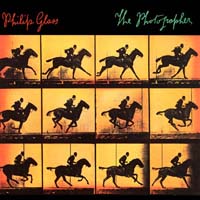 1983The Photographer
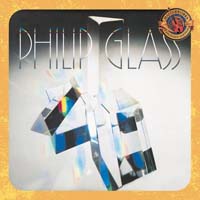 1982Glassworks
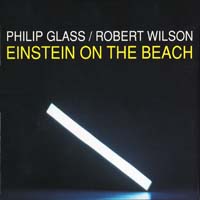 1979Einstein on the Beach
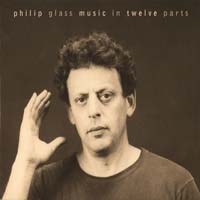 1975Music in Twelve Parts
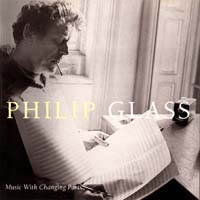 1971Music With Changing Parts
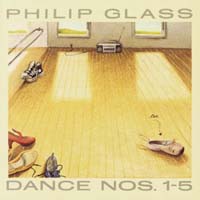 0Dance Nos. 1