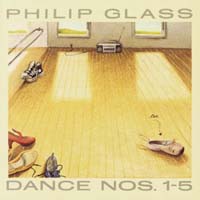
Biography
Philip Glass: history and sound
Philip Morris Glass (born January 31, 1937) is an American composer. He is considered one of the most influential music makers of the late 20th century. Philip Glass is widely recognized as one of the most influential composers and musicians of the 20th century. His revolutionary systematic approaches have inspired generations of musicians, and he has earned a place in musical history.
The Musical Legacy of Philip Glass – Exploring His Career and Best Songs
Philip Glass is undoubtedly one of the most influential contemporary composers of our time. With his minimalistic style and innovative approach to composition, he has transformed the world of classical music and captured the hearts of millions of people worldwide. In this blog post, we will explore the life and career of Philip Glass, his music genre, his best songs, and some of his famous concerts. Let’s dive in!
Philip Glass was born in Baltimore, Maryland in 1937. His parents were Jewish immigrants from Lithuania. He began his musical training at the age of six and attended the Peabody Conservatory of Music. Later, he studied at the University of Chicago, where he was introduced to serialism and other avant-garde musical styles. However, he became disenchanted with these styles and began to develop his own unique approach to composition, which he called music with repetitive structures.
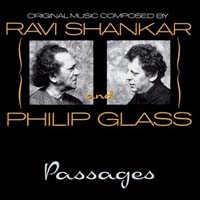
Glass's music genre is often categorized as minimalism. This musical style is characterized by the use of simple, repeating melodic and rhythmic patterns. Glass's minimalist approach to composition was heavily influenced by his studies with Indian composer Ravi Shankar who introduced him to the techniques of Indian classical music.
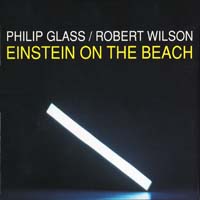
One of Glass's most famous works is the opera Einstein on the Beach. This opera was a collaboration between Glass and the theater director Robert Wilson. Einstein on the Beach premiered in 1976 to critical acclaim and is widely regarded as the masterpiece of Glass’s career. The opera features a unique blend of musical and theatrical elements and explores themes of science, technology, and human experience.
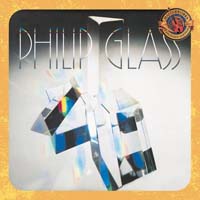
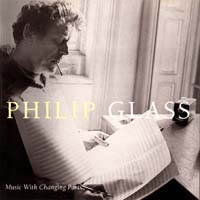
Another of Glass's popular works is Metamorphosis. This piano piece is divided into five different parts and is characterized by its simple repetitious melodies. This piece is a great example of Glass's minimalist approach to composition and continues to be one of his most beloved pieces. Other notable compositions by Glass include Music with Changing Parts, Glassworks, and Koyaanisqatsi.
Glass has also been known for his concerts, one of which was the staging of his opera Akhnaten, in 2019, at the Metropolitan Opera House in New York City. This staging contained singing from multiple languages, stunning costumes, and makes for an awe-inspiring experience, thanks to its set design.
Critic Robert Christgau sums up Glass's music as high energy, low tension, vibrant yet restful...utterly original. However, Glass's music has also garnered criticism from some quarters, who have accused him of being repetitive and simplistic.
Philip Glass's career is an impressive artistic accomplishment, highlighting his innovation in music composition and his unique sound, now his own identifiable brand. With over 80 albums of work in his name and his premiere-worthy performances, his primary achievements signal his impact on the classical music world and the creativity he has left as his legacy. It is without question that he is one of the most talented and influential composers of our time. This blog post has highlighted some of the significant works of Philip Glass, but his contribution to the world of classical music is vast and deserves a listening session from music lovers.
The Musical Legacy of Philip Glass – Exploring His Career and Best Songs
Philip Glass is undoubtedly one of the most influential contemporary composers of our time. With his minimalistic style and innovative approach to composition, he has transformed the world of classical music and captured the hearts of millions of people worldwide. In this blog post, we will explore the life and career of Philip Glass, his music genre, his best songs, and some of his famous concerts. Let’s dive in!
Philip Glass was born in Baltimore, Maryland in 1937. His parents were Jewish immigrants from Lithuania. He began his musical training at the age of six and attended the Peabody Conservatory of Music. Later, he studied at the University of Chicago, where he was introduced to serialism and other avant-garde musical styles. However, he became disenchanted with these styles and began to develop his own unique approach to composition, which he called music with repetitive structures.
Glass's music genre is often categorized as minimalism. This musical style is characterized by the use of simple, repeating melodic and rhythmic patterns. Glass's minimalist approach to composition was heavily influenced by his studies with Indian composer Ravi Shankar who introduced him to the techniques of Indian classical music.
One of Glass's most famous works is the opera Einstein on the Beach. This opera was a collaboration between Glass and the theater director Robert Wilson. Einstein on the Beach premiered in 1976 to critical acclaim and is widely regarded as the masterpiece of Glass’s career. The opera features a unique blend of musical and theatrical elements and explores themes of science, technology, and human experience.
Another of Glass's popular works is Metamorphosis. This piano piece is divided into five different parts and is characterized by its simple repetitious melodies. This piece is a great example of Glass's minimalist approach to composition and continues to be one of his most beloved pieces. Other notable compositions by Glass include Music with Changing Parts, Glassworks, and Koyaanisqatsi.
Glass has also been known for his concerts, one of which was the staging of his opera Akhnaten, in 2019, at the Metropolitan Opera House in New York City. This staging contained singing from multiple languages, stunning costumes, and makes for an awe-inspiring experience, thanks to its set design.
Critic Robert Christgau sums up Glass's music as high energy, low tension, vibrant yet restful...utterly original. However, Glass's music has also garnered criticism from some quarters, who have accused him of being repetitive and simplistic.
Philip Glass's career is an impressive artistic accomplishment, highlighting his innovation in music composition and his unique sound, now his own identifiable brand. With over 80 albums of work in his name and his premiere-worthy performances, his primary achievements signal his impact on the classical music world and the creativity he has left as his legacy. It is without question that he is one of the most talented and influential composers of our time. This blog post has highlighted some of the significant works of Philip Glass, but his contribution to the world of classical music is vast and deserves a listening session from music lovers.