Biography
George Winston: history and sound
George Winston (born 1949) is an American pianist who was born in Michigan, and grew up mainly in Miles City, Montana, as well as Mississippi and Florida.
The Melodic Journey of George Winston: A Musical Biography
Few artists can captivate audiences with the sheer simplicity of their music and at the same time, evoke a myriad of emotions. George Winston is one of those rare breeds. His music has been described as a fusion of folk, blues, and new-age, all rolled into one unique sound. In this article, we’ll delve deep into the background and music of George Winston.
George Winston was born in 1949 in Michigan, USA, but was raised primarily in Montana. Music was always a big part of his life, and he began playing the piano at the tender age of five. Growing up, he was influenced by the music of his time, including the Beatles, Rolling Stones, and Bob Dylan. After graduating from college, Winston moved to California where he began his musical career. His early work was inspired by the New Orleans style of jazz and boogie-woogie.
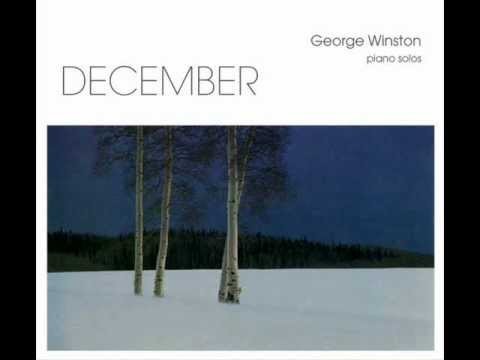
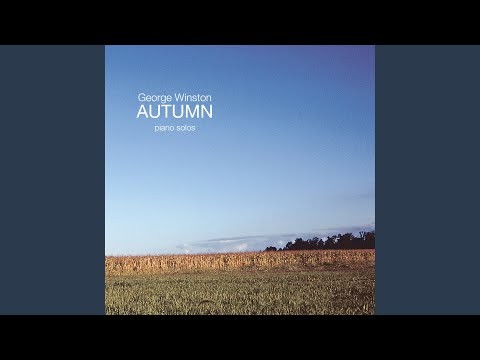
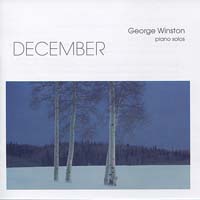
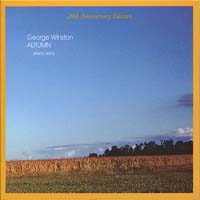
Winston’s music is often described as solo piano, with many of his early works highlighting his virtuosic keyboard skills. His breakthrough album was Autumn, released in 1980, which featured his signature sound of fluid and meditative playing. Three years later, Winston released another album, December which has since become one of his most popular albums and a Christmas classic. Over the years, Winston has released numerous albums that showcase his talent for intricate compositions and gentle, uplifting melodies.
One of Winston’s most famous concerts was his 1996 performance at New York’s Carnegie Hall, which was a benefit performance for the American Red Cross. He followed this up with many other successful concerts over the years, including performances at the famous Montreux Jazz Festival, where he played in front of thousands of fans.
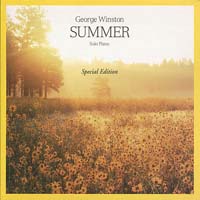
While it’s difficult to narrow down George Winston’s best songs, some of his most acclaimed works include Summer, Thanksgiving, The Snowman, and Variations on the Kanon by Pachelbel. In these works, Winston showcases his ability to combine complex chord progressions with simple melodies to create a sound that is both emotionally powerful and soothing.
Critics have often praised Winston for his ability to tell a story through his music. He’s a master of creating musical narratives that evoke strong emotions. One critic described his music as an evocation of nature, a sense of nostalgia for times long past, and a celebration of the present moment.
In an increasingly complex world, George Winston’s music provides a rare glimpse of simplicity and beauty. His ability to combine various musical genres into one unique sound has helped to establish him as one of the most talented pianists of his time. Whether you’re new to his music or have been a fan for years, there’s always something to discover in the musical journey of George Winston.
The Melodic Journey of George Winston: A Musical Biography
Few artists can captivate audiences with the sheer simplicity of their music and at the same time, evoke a myriad of emotions. George Winston is one of those rare breeds. His music has been described as a fusion of folk, blues, and new-age, all rolled into one unique sound. In this article, we’ll delve deep into the background and music of George Winston.
George Winston was born in 1949 in Michigan, USA, but was raised primarily in Montana. Music was always a big part of his life, and he began playing the piano at the tender age of five. Growing up, he was influenced by the music of his time, including the Beatles, Rolling Stones, and Bob Dylan. After graduating from college, Winston moved to California where he began his musical career. His early work was inspired by the New Orleans style of jazz and boogie-woogie.
Winston’s music is often described as solo piano, with many of his early works highlighting his virtuosic keyboard skills. His breakthrough album was Autumn, released in 1980, which featured his signature sound of fluid and meditative playing. Three years later, Winston released another album, December which has since become one of his most popular albums and a Christmas classic. Over the years, Winston has released numerous albums that showcase his talent for intricate compositions and gentle, uplifting melodies.
One of Winston’s most famous concerts was his 1996 performance at New York’s Carnegie Hall, which was a benefit performance for the American Red Cross. He followed this up with many other successful concerts over the years, including performances at the famous Montreux Jazz Festival, where he played in front of thousands of fans.
While it’s difficult to narrow down George Winston’s best songs, some of his most acclaimed works include Summer, Thanksgiving, The Snowman, and Variations on the Kanon by Pachelbel. In these works, Winston showcases his ability to combine complex chord progressions with simple melodies to create a sound that is both emotionally powerful and soothing.
Critics have often praised Winston for his ability to tell a story through his music. He’s a master of creating musical narratives that evoke strong emotions. One critic described his music as an evocation of nature, a sense of nostalgia for times long past, and a celebration of the present moment.
In an increasingly complex world, George Winston’s music provides a rare glimpse of simplicity and beauty. His ability to combine various musical genres into one unique sound has helped to establish him as one of the most talented pianists of his time. Whether you’re new to his music or have been a fan for years, there’s always something to discover in the musical journey of George Winston.