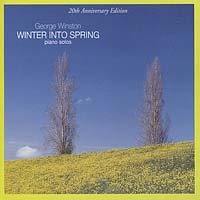
ALBUM NOTESAlbum spotlight: George Winston-Winter Into Spring – Winter Into Spring
Album overview
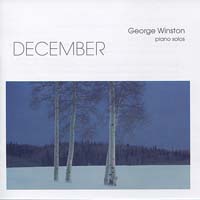
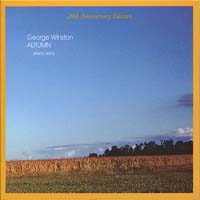
George Winston's "Winter Into Spring," released in 1982, is a landmark album in the genre of contemporary instrumental music. Produced by Winston himself and released under the Windham Hill label, this album is part of a trilogy that also includes "Autumn" and "December." "Winter Into Spring" features a collection of solo piano pieces that reflect the transition from the cold, introspective months of winter to the renewal and hope of spring.
Winston's unique style blends elements of classical, folk, and jazz, creating a soothing and evocative soundscape. The album consists of ten tracks, including notable pieces like "Joy," "The Cradle," and "Rain." Each composition captures the essence of seasonal change through melodic simplicity and emotional depth. Winston's early influences include the music of the late 19th and early 20th centuries, particularly the works of composers like Claude Debussy and Erik Satie, which can be heard throughout his intricate piano arrangements.
The recording process took place at various studios, with Winston often performing in a live setting to capture the organic feel of his music. Collaborators on the album include noted guitarist Michael Hedges, whose work on tracks like “The Cradle” adds a layer of depth to the listening experience. "Winter Into Spring" not only showcases Winston's technical prowess but also serves as a reflection of the natural world, emphasizing themes of renewal and the cyclical nature of life.
This album has been influential in shaping the new age music genre and continues to resonate with listeners today, often used in therapeutic settings for its calming effects. Its timeless quality ensures that it remains a beloved choice for fans of instrumental music.
Review
"Winter Into Spring" is a masterclass in the art of solo piano composition, where George Winston’s emotive playing draws listeners into a serene world. The album's sound is characterized by its delicate and flowing melodies, which evoke the gentle thaw of winter and the vibrant awakening of spring. Winston's ability to convey emotion without lyrics is remarkable, each track tells a story through its dynamics and phrasing.
The musical vision behind the album is both introspective and celebratory, reflecting the beauty of nature's transitions. The opening track, "Joy," sets a bright tone that contrasts beautifully with the more subdued "Lullaby," showcasing Winston's range as a composer. The subtle interplay of light and shadow in his music invites the listener to experience the emotional nuances of the changing seasons.
While the album is predominantly instrumental, it speaks volumes through its rich textures and harmonic progressions. Winston’s style is accessible yet profound, making it a perfect soundtrack for contemplation, study, or relaxation. The production is pristine, allowing the nuances of each note and chord to shine through, further enhancing the listening experience.
Highlights
- Beautifully composed piano pieces that evoke the essence of seasonal change.
- Pristine production quality that highlights the intricacies of Winston's playing.
- A timeless appeal that resonates with a wide range of listeners, from casual fans to serious musicians.
Weak points
- The album’s tranquil nature may not appeal to listeners seeking more dynamic or varied compositions.
- Some tracks may feel repetitive due to the minimalist approach.
- Limited vocal elements might deter those who prefer lyrical content in their music.
Overall evaluation
"Winter Into Spring" is a poignant celebration of nature's transitions, showcasing George Winston's extraordinary talent as a composer and pianist. It remains a seminal work in the contemporary instrumental genre and continues to inspire generations of listeners.
Personal rating: 9/10
```

 2022Night
 1999Plains
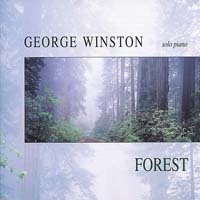 1994Forest
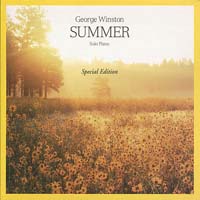 1991Summer
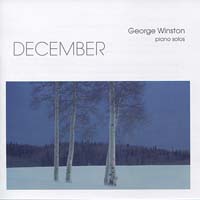
 1982December
 1980Autumn
 0Linus