
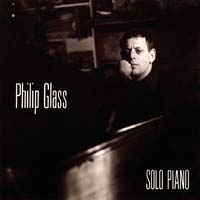
Exploring the sound of Philip Glass: The Hours
The Hours- Album Overview
Released in 2002, "The Hours" is the soundtrack album composed by Philip Glass for the film of the same name, directed by Stephen Daldry. The film, which is based on the novel by Michael Cunningham, intertwines the lives of three women from different time periods, all connected through Virginia Woolf's novel "Mrs. Dalloway." This soundtrack was released under the label Nonesuch Records and is a key example of Glass's minimalist style, characterized by repetitive structures and a rich harmonic palette.
The album features a total of 13 tracks, including highlights like "Opening," "Morning Passages," and "The Poet Acts." Glass collaborated closely with the film's director and producers to create a score that would enhance the emotional depth and thematic resonance of the narrative. The orchestration includes strings, piano, and woodwinds, creating a lush soundscape that reflects the characters' inner struggles and moments of clarity. Notably, the album has received critical acclaim for its ability to evoke a powerful emotional response, making it one of Glass's most accessible and popular works.
In addition to its commercial success, "The Hours" has garnered several nominations, including an Academy Award nomination for Best Original Score. The film's impact, along with the evocative music, has solidified its place in contemporary culture, demonstrating Glass's ability to transcend the boundaries of classical music and film soundtracks. Overall, "The Hours" showcases Philip Glass's mastery in creating music that is both profound and profoundly moving.
Review
The score for "The Hours" exemplifies Philip Glass's minimalist compositional style, relying on repetitive motifs that evolve gradually. The opening track, "Opening," sets a contemplative mood with its gentle piano and string arrangements, inviting the listener into the emotional landscape of the film. Throughout the album, Glass employs a delicate balance of tension and resolution, mirroring the struggles of the characters. The music lacks traditional narrative lyrics, but its instrumental nature allows for a personal interpretation, encouraging listeners to reflect on their own experiences.
One of the most striking aspects of the album is its emotional resonance. The use of space and silence in Glass's compositions creates an atmosphere of introspection, allowing the audience to connect deeply with the characters’ plights. The orchestration is both intricate and expansive, often blending minimalist patterns with rich harmonic textures. This creates a sound that is at once modern and timeless, encapsulating the essence of Woolf's literary themes while also standing alone as a unique musical experience.
Highlights
- Evocative melodies that enhance emotional depth.
- Masterful orchestration blending minimalist and lush textures.
- A seamless connection to the film's narrative and themes.
Weak points
- Some listeners may find the repetitive nature of minimalist music challenging.
- Lacks traditional song structures or lyrics, which might deter mainstream audiences.
- Occasional moments of abstraction may feel disconnected from the film's storyline.
Overall evaluation
"The Hours" stands as a testament to Philip Glass’s unique ability to create music that is both haunting and beautiful. The score complements the film perfectly while also functioning as a standalone work of art. While its minimalist style may not appeal to everyone, those who embrace its subtleties will find a rich emotional experience.
Personal rating: 9/10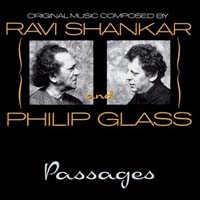 1990Passages
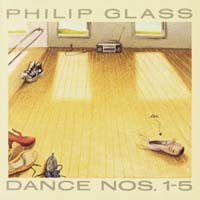 1988Dance Nos. 1-5
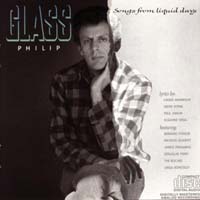 1986Songs From Liquid Days
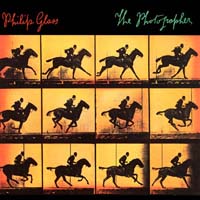 1983The Photographer
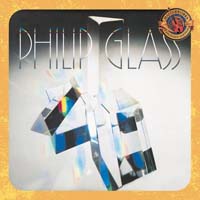 1982Glassworks
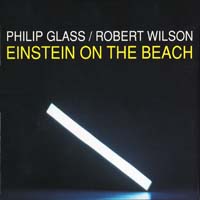 1979Einstein on the Beach
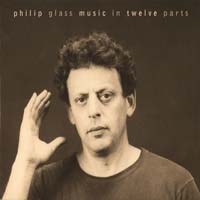 1975Music in Twelve Parts
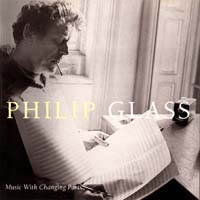 1971Music With Changing Parts
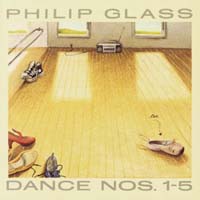 0Dance Nos. 1