ALBUM NOTESSymphony No. 3: exploring the world of Philip Glass
Symphony No. 3- Album Overview
Philip Glass's "Symphony No. 3," released in 1995, is a significant addition to the composer's extensive body of work. This symphony is part of Glass's foray into orchestral writing, showcasing his unique minimalist style that has influenced contemporary classical music. The album was released under the Orange Mountain Music label, which specializes in Glass's works, ensuring that his musical vision is presented with clarity and precision.
The recording features the esteemed London Philharmonic Orchestra, conducted by the composer himself, who is known for his meticulous attention to detail and his ability to draw out the emotional depth in his compositions. "Symphony No. 3" consists of three movements, with a total runtime of approximately 30 minutes. Each movement exhibits Glass's signature repetitive structures and harmonic progressions, creating a meditative and immersive listening experience.
Notably, this symphony has been performed in various prestigious venues worldwide, solidifying its place in the modern classical repertoire. It is often lauded for its ability to convey complex emotions through simplicity, a hallmark of Glass's artistic vision. The album did not spawn any singles in the traditional sense, but its impact within the classical music community has been profound, influencing a new generation of composers and musicians who seek to explore the boundaries of classical music.
"Symphony No. 3" stands as a testament to Glass's enduring legacy in the world of music, encapsulating themes of time, existence, and human experience, while remaining accessible to both seasoned classical aficionados and newcomers alike.
Review
Philip Glass's "Symphony No. 3" is a striking work that encapsulates the essence of minimalist composition. The opening movement introduces listeners to a lush tapestry of sounds, characterized by repetitive motifs that evolve subtly over time. This approach invites deep listening, as each iteration offers new layers of emotional resonance.
The second movement contrasts with a more rhythmic drive, featuring an infectious pulse that propels the listener forward. Glass's orchestration shines here, with strings weaving in and out of the foreground, supported by woodwinds that add a playful quality. The final movement brings a sense of resolution, merging the thematic elements introduced earlier, culminating in a rich, sonorous finale that leaves a lasting impact.
Glass’s artistic vision remains clear throughout the symphony: an exploration of the human condition through the lens of minimalism. The lack of traditional melodic structure challenges listeners to engage with the music on a deeper level, fostering a unique connection between the audience and the composer’s introspective narrative.
Overall, "Symphony No. 3" exemplifies Glass's ability to transcend conventional boundaries, offering a profound and meditative experience that resonates long after the final note fades.
Highlights
- Innovative orchestration that showcases Glass's mastery of sound.
- Emotional depth conveyed through minimalist structures.
- Engaging rhythmic components that captivate the listener.
Weak points
- Repetitive motifs may not appeal to all listeners.
- Some may find the lack of traditional melodies challenging.
- The album's brief runtime may leave some wanting more depth.
Overall evaluation
"Symphony No. 3" is a remarkable exploration of minimalist music that continues to resonate with audiences today. Philip Glass successfully marries emotional expression with structural innovation, making this album a significant work in contemporary classical music.
Personal rating: 8/10

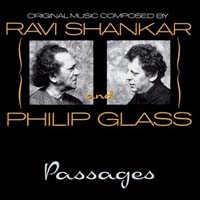 1990Passages
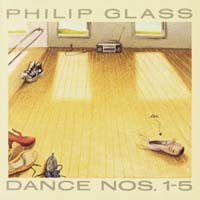 1988Dance Nos. 1-5
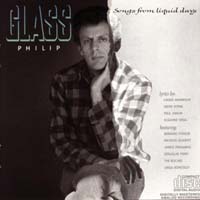 1986Songs From Liquid Days
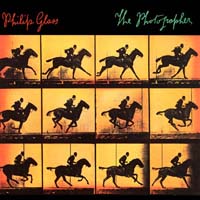 1983The Photographer
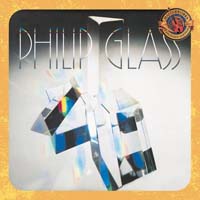 1982Glassworks
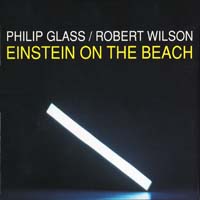 1979Einstein on the Beach
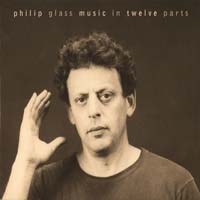 1975Music in Twelve Parts
 1971Music With Changing Parts
 0Dance Nos. 1