
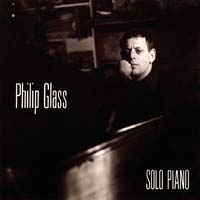
The evolution of Philip Glass in Glass Organ Works
Glass Organ Works- Album Overview
Released in 2021, "Glass Organ Works" showcases the innovative compositions of American minimalist composer Philip Glass, known for his influential role in contemporary classical music. This album, released under the Orange Mountain Music label, features a collection of works originally composed for organ, highlighting Glass’s unique ability to blend intricate patterns with emotional depth.
The album includes pieces such as "The Light" and "Music in Similar Motion," which were meticulously recorded to capture the rich tonal palette of the organ. Glass collaborated with renowned organist Paul Jacobs, whose interpretation breathes new life into these compositions, allowing listeners to appreciate the textural subtleties and rhythmic complexity that characterize Glass's style.
The recording sessions took place at the famed St. Thomas Church in New York City, known for its exceptional acoustics and historical significance. The album not only serves as a testament to Glass's enduring legacy but also highlights the organ's place in modern music, bridging the gap between classical traditions and contemporary sensibilities. Its release comes at a time when minimalism continues to influence a broad spectrum of genres, emphasizing the relevance of Glass's work in today’s musical landscape.
Overall, "Glass Organ Works" stands as a significant entry in Glass's discography, illustrating his evolution as a composer while reaffirming his status as a pioneer in the minimalist movement.
Review
"Glass Organ Works" is a compelling exploration of the organ's capabilities, revealing a side of Philip Glass that is both introspective and expansive. The album invites listeners into a meditative space, where the repetitive motifs and shifting harmonies create a sonic landscape rich with emotional resonance. Each track unfolds with a sense of purpose, demonstrating Glass's mastery of minimalism while simultaneously allowing for moments of profound contemplation.
The sound is meticulously crafted, with Jacobs’s performance revealing the organ’s full range—from delicate whispers to powerful crescendos. The absence of lyrics in these instrumental pieces allows the music itself to express a narrative, showcasing Glass's ability to communicate complex ideas without words. This artistic vision reinforces the idea that music can transcend language, tapping into universal emotions and experiences.
Highlights
- Rich, immersive soundscapes that highlight the organ's versatility.
- Expert performance by Paul Jacobs, breathing new life into Glass's compositions.
- Significant contributions to the contemporary classical genre, reaffirming Glass's legacy.
Weak points
- Some listeners may find the minimalist approach repetitive over extended tracks.
- Lack of vocal elements may limit appeal for those who prefer lyrical music.
- The album's niche nature might not attract a broader audience beyond classical enthusiasts.
Overall evaluation
"Glass Organ Works" is an essential listen for fans of contemporary classical music and those interested in the evolution of Philip Glass as a composer. It captures the essence of his minimalist style while exploring the unique qualities of the organ. A thoughtful and rich album, it stands as a testament to Glass's enduring creativity.
Personal rating: 8/10 1990Passages
 1988Dance Nos. 1-5
 1986Songs From Liquid Days
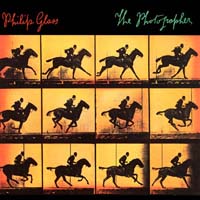 1983The Photographer
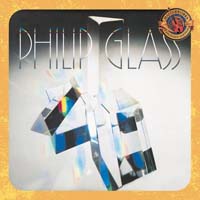 1982Glassworks
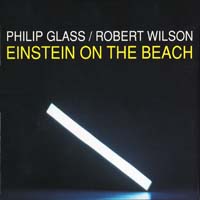 1979Einstein on the Beach
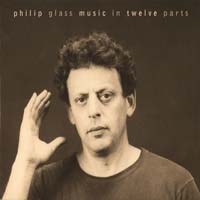 1975Music in Twelve Parts
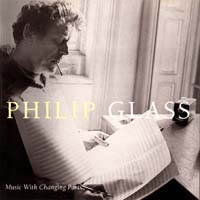 1971Music With Changing Parts
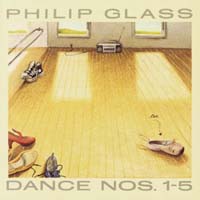 0Dance Nos. 1