
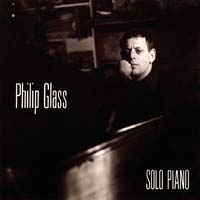
Philip Glass raises the bar with Philip Glass: Portrait
Philip Glass: Portrait- Album Overview
Released in 2018, "Philip Glass: Portrait" is a compelling collection that showcases the extensive and influential body of work created by American composer Philip Glass. This album, released under the Orange Mountain Music label, provides a comprehensive overview of Glass's compositions, merging his minimalist style with a variety of orchestral and instrumental arrangements. The album features several tracks that span over five decades of Glass's career, including iconic pieces such as "Opening" from "Glassworks" and selections from operas like "Einstein on the Beach" and "Satyagraha." The album was produced by Glass himself, ensuring an authentic representation of his vision. Collaborators on the project include notable musicians and ensembles such as the Philip Glass Ensemble and various orchestras, which lend their expertise to create a rich listening experience. "Philip Glass: Portrait" serves not only as a celebration of his work but also as an introduction for those unfamiliar with the intricacies of minimalist music. The album's release coincided with a renewed interest in Glass's compositions, further solidifying his status as a prominent figure in contemporary classical music. Its significance lies not only in its artistic merit but also in its ability to bridge the gap between classical music and modern audiences, illustrating the timeless nature of Glass's musical language.
Review
"Philip Glass: Portrait" is a sonic journey that encapsulates the essence of Glass's minimalist philosophy. The album resonates with clarity and precision, employing repetitive motifs and layered textures that are hallmarks of Glass's style. Each track unfolds methodically, creating an immersive experience that challenges the listener's perception of time and musical narrative. The orchestration is both rich and nuanced, drawing upon a variety of instruments that contribute to a lush soundscape. While the album does not feature traditional lyrics, the emotional depth conveyed through the instrumentation speaks volumes, allowing the listener to connect with the music on a visceral level. Glass's artistic vision is evident throughout, as he explores themes of time, existence, and humanity, inviting listeners to reflect upon their own experiences. The album showcases not only the technical brilliance of Glass's compositions but also his ability to evoke profound emotions, making it a significant contribution to the contemporary classical genre.
Highlights
- Rich and immersive orchestration that showcases Glass's minimalist style.
- A comprehensive overview of a career spanning over five decades.
- Emotional depth that resonates with listeners, transcending traditional musical boundaries.
Weak points
- Some listeners may find the repetitiveness of minimalist music challenging.
- The absence of lyrics may not appeal to those who prefer vocal-driven compositions.
- Lengthy tracks may require dedicated listening time, which might deter casual listeners.
Overall evaluation
"Philip Glass: Portrait" is an essential album for both long-time fans and newcomers to the world of minimalist music. It encapsulates the genius of Philip Glass and serves as a testament to his enduring influence in the contemporary classical landscape. Personal rating: 9/10
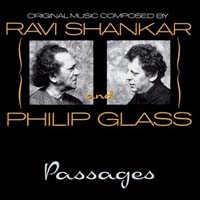 1990Passages
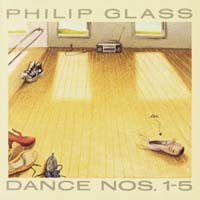 1988Dance Nos. 1-5
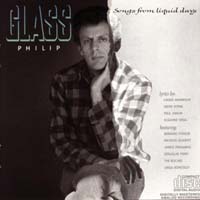 1986Songs From Liquid Days
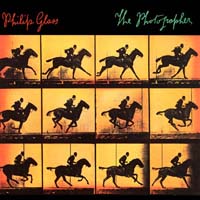 1983The Photographer
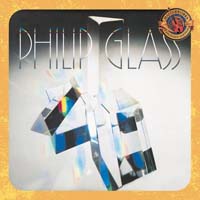 1982Glassworks
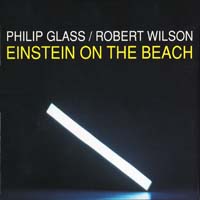 1979Einstein on the Beach
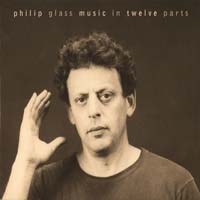 1975Music in Twelve Parts
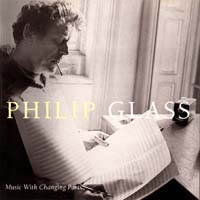 1971Music With Changing Parts
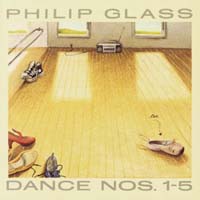 0Dance Nos. 1