ALBUM NOTESEtudes For Piano, Volume 1: Nos. 1-10: exploring the world of Philip Glass
Etudes For Piano, Volume 1: Nos. 1-10- Album Overview
Philip Glass, one of the most influential composers of contemporary classical music, released "Etudes For Piano, Volume 1: Nos. 1-10" in 2014 under the Orange Mountain Music label. This album marks a significant addition to Glass's extensive body of work, showcasing ten of his piano etudes that blend minimalist techniques with intricate melodic structures. The etudes were written between 1991 and 2014, and they exemplify Glass's unique approach to rhythm and harmony, drawing from both Western classical traditions and various world music influences.
The recording features the formidable pianist and Glass collaborator, Maki Namekawa, whose interpretations bring a fresh vibrancy to these works. The album serves not only as a showcase of skillful piano performance but also as an exploration of the emotional depth inherent in Glass's compositions. Each etude stands alone, yet together they create a cohesive journey through complex landscapes of sound. The release has been well-received, further solidifying Glass's reputation as a master of modern composition. It also highlights the ongoing relevance of minimalist music in contemporary culture, encouraging new generations to engage with this genre.
Review
"Etudes For Piano, Volume 1: Nos. 1-10" offers an immersive experience that encapsulates the essence of Philip Glass's musical philosophy. The sound is characterized by repetitive motifs and gradual transformations, a hallmark of Glass's compositional style. Maki Namekawa's performance is nothing short of mesmerizing; her technique effortlessly navigates the complexities of each piece, allowing the listener to fully appreciate the intricate layering of melodies. The etudes evoke a range of emotions, from introspective contemplation to exhilarating joy, illustrating Glass's ability to blend technical precision with heartfelt expression.
While the music lacks traditional lyrics, the emotional narrative conveyed through the piano is profound, inviting listeners to explore their own interpretations. The artistic vision behind these etudes exemplifies Glass's continual evolution as a composer, reflecting both personal and universal themes. Overall, this album is a testament to the enduring power of minimalist music and its capacity to resonate deeply with audiences.
Highlights
- Exceptional performance by pianist Maki Namekawa, showcasing skill and emotional depth.
- Richly textured compositions that balance complexity with accessibility.
- Significant contribution to the minimalist genre, reaffirming Philip Glass's status as a leading figure in contemporary classical music.
Weak points
- Some listeners may find the repetitive structures challenging or monotonous.
- Lack of traditional lyrical content might not appeal to those seeking narrative-driven music.
- The album's length could feel daunting for casual listeners not familiar with minimalist works.
Overall evaluation
"Etudes For Piano, Volume 1: Nos. 1-10" is a compelling exploration of Philip Glass's artistry and the minimalist tradition. It invites listeners into a world of intricate soundscapes that are both engaging and thought-provoking. Despite its potential challenges for some audiences, the album stands as a significant artistic achievement.
Personal rating: 9/10

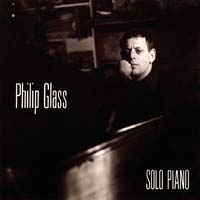
 1990Passages
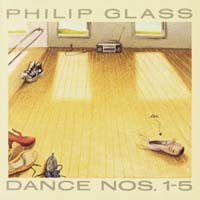 1988Dance Nos. 1-5
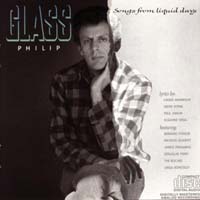 1986Songs From Liquid Days
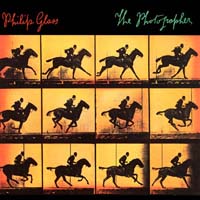 1983The Photographer
 1982Glassworks
 1979Einstein on the Beach
 1975Music in Twelve Parts
 1971Music With Changing Parts
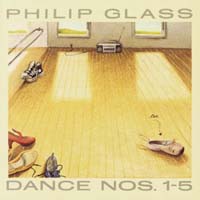 0Dance Nos. 1