
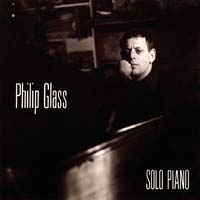
Listening guide: Philip Glass's The Invitation: Saxophonquartette Des 20. Jahrhund
The Invitation: Saxophonquartette Des 20. Jahrhund- Album Overview
Released in 1993, "The Invitation: Saxophonquartette Des 20. Jahrhunderts" is a fascinating exploration of contemporary classical music by renowned composer Philip Glass. This album showcases the unique capabilities of the saxophone quartet, a setup that Glass utilizes to push the boundaries of traditional chamber music. The recording is released under the Orange Mountain Music label, which is known for promoting Glass's works and maintaining a rich catalog of contemporary classical music.
Glass composed this work to highlight the versatility and expressiveness of the saxophone, an instrument often overlooked in classical contexts. Collaborating with the talented ensemble, the Saxophonquartett des 20. Jahrhunderts, Glass creates a sonic landscape that blends minimalist patterns with rich harmonies, reflecting his hallmark style. The album features a variety of tracks that explore different themes and moods, all while maintaining a cohesive sound that is both innovative and accessible.
While the album did not spawn chart-topping singles, its significance lies in its contribution to the saxophone repertoire and its role in broadening the scope of modern classical music. Glass’s work often reflects broader cultural and artistic movements, and "The Invitation" is no exception, embodying the spirit of experimentation and innovation that characterized the early 1990s in both music and the arts. The album has been praised for its intricate arrangements and the seamless interplay between the four saxophonists, making it a vital part of Glass's discography.
Review
The sound of "The Invitation" is quintessentially Glass, marked by repetitive motifs and a rhythmic drive that captivates the listener. The saxophone quartet’s execution is impeccable, with each member contributing to a rich tapestry of sound that elevates the minimalist aesthetic to new heights. The interplay between the instruments is both delicate and powerful, creating moments of introspection and exuberance throughout the album.
However, the album's minimalist nature may not resonate with everyone. Glass's compositions often require patience and an appreciation for subtlety, which can be a hurdle for listeners accustomed to more overt musical narratives. Despite this, the artistic vision behind "The Invitation" is clear: to expand the boundaries of the saxophone’s role in classical music while challenging traditional audience expectations.
Highlights
- Innovative use of the saxophone quartet, showcasing its versatility.
- Intricate arrangements that highlight the interplay between musicians.
- Rich cultural significance as a contemporary classical work by a leading composer.
Weak points
- Minimalist style may not appeal to all listeners.
- Some tracks may feel repetitive due to the nature of the genre.
- Lacks mainstream recognition or hit singles that could attract a broader audience.
Overall evaluation
"The Invitation: Saxophonquartette Des 20. Jahrhunderts" is a compelling addition to Philip Glass's oeuvre, showcasing his distinctive approach to composition while celebrating the saxophone's potential in classical music. While it may not cater to every taste, its artistic merit and innovative spirit are undeniable.
Personal rating: 8/10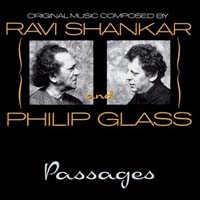 1990Passages
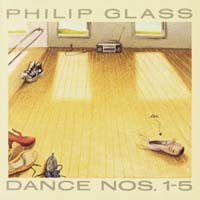 1988Dance Nos. 1-5
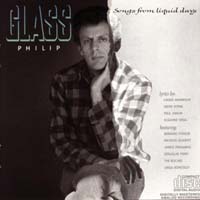 1986Songs From Liquid Days
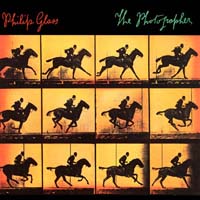 1983The Photographer
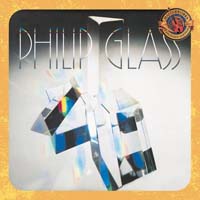 1982Glassworks
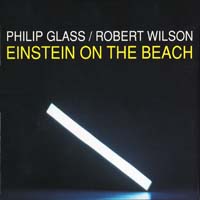 1979Einstein on the Beach
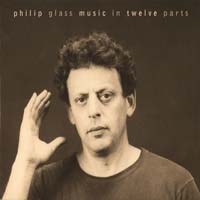 1975Music in Twelve Parts
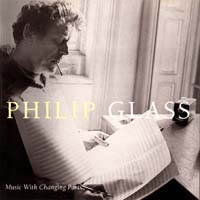 1971Music With Changing Parts
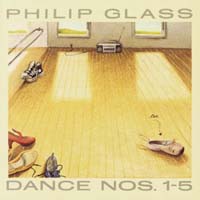 0Dance Nos. 1