
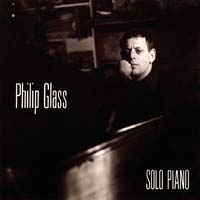
Analog: the next chapter for Philip Glass
Analog- Album Overview
Released in 2022, "Analog" marks a significant addition to Philip Glass's already storied discography. Known for his minimalist compositions, Glass continues to explore innovative soundscapes that blend electronic elements with his classical roots. The album was released under the Orange Mountain Music label, which Glass founded in 2003 to promote his work and that of other contemporary composers. "Analog" features a rich array of tracks, showcasing Glass's ability to weave complex melodies and rhythms through a digital lens. Collaborating with various artists, the album highlights contributions from notable musicians including the acclaimed cellist Yo-Yo Ma, who adds depth to the work with his distinctive playing style. The recording process for "Analog" was notable for its embrace of technology, utilizing both traditional instruments and modern digital techniques. This hybrid approach reflects a growing trend in contemporary classical music, where boundaries between genres continue to dissolve. The lead single, "The Rhythm of the Night," captures the essence of Glass’s artistic vision, fusing repetitive motifs with immersive electronic textures. The album is significant not only for its musical innovation but also for its cultural relevance, as it continues to challenge the perceptions of classical music in the digital age, inspiring a new generation of listeners and composers alike.
Review
"Analog" is a testament to Glass's enduring creativity and adaptability. The album's sound is characterized by its intricate layering of electronic sounds and traditional instrumentation, resulting in a rich auditory experience. Glass's signature minimalist style is evident, yet he manages to push the boundaries of his sound, incorporating more varied rhythms and textures that evoke a sense of modernity. While some tracks may feel familiar to longtime fans, the album successfully introduces fresh elements that keep the listener engaged. The seamless transitions between tracks create an immersive journey, showcasing Glass's masterful craftsmanship. Lyrically, the album is sparse, relying more on the emotive power of the music itself rather than traditional song structures. This choice aligns with Glass's artistic vision, which often emphasizes the importance of sound and form over narrative. Overall, "Analog" serves as both a continuation of Glass's legacy and a bold exploration of new musical territories.
Highlights
- Innovative blend of electronic and classical elements
- Exceptional collaborations with renowned musicians
- Engaging soundscapes that challenge genre boundaries
Weak points
- Some tracks may feel repetitive to casual listeners
- Limited lyrical content may not appeal to all audiences
- Not as groundbreaking as earlier works in the minimalist genre
Overall evaluation
"Analog" is a noteworthy addition to Philip Glass's oeuvre, showcasing his ability to evolve while remaining true to his artistic roots. It invites listeners into a world where classical music meets modern technology, creating a unique listening experience. Personal rating: 8/10
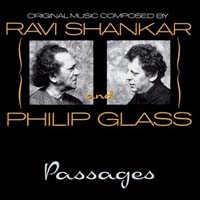 1990Passages
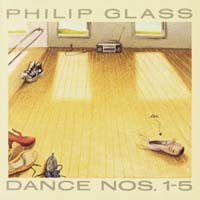 1988Dance Nos. 1-5
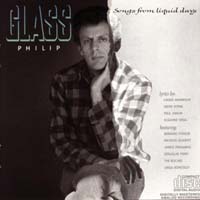 1986Songs From Liquid Days
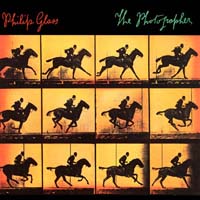 1983The Photographer
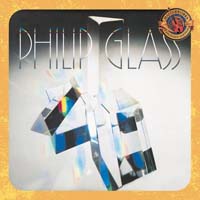 1982Glassworks
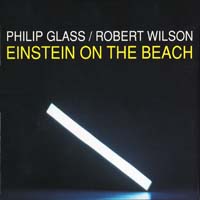 1979Einstein on the Beach
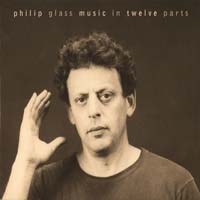 1975Music in Twelve Parts
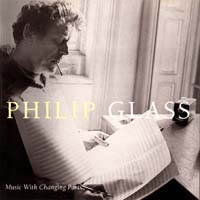 1971Music With Changing Parts
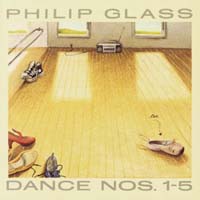 0Dance Nos. 1