
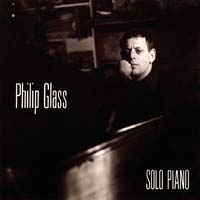
How Philip Glass shaped the sound of 1000 Airplanes On The Roof
1000 Airplanes On The Roof- Album Overview
"1000 Airplanes On The Roof," released in 1988, is a seminal work by American composer Philip Glass, known for his minimalist style and innovative approach to music. This album is categorized as a minimalist opera or "theatrical piece," reflecting Glass's ability to blend music with narrative and visual elements. Produced by Glass himself and released under his label, Orange Mountain Music, the album features a collaboration with writer David Byrne, who contributed to the text and concept. The piece is structured into a series of interconnected musical segments, each conveying a distinct emotional landscape while exploring themes of alienation and existential reflection.
The recording features a cast that includes soprano soloist and actress, as well as a small ensemble of instrumentalists, showcasing Glass's signature repetitive motifs and shifting harmonies. The album’s narrative revolves around a protagonist who experiences an otherworldly encounter, mirroring the anxieties of modern life and technological advancements. This work is particularly significant as it reflects the cultural zeitgeist of the late 1980s, characterized by an increasing fascination with science fiction and the unknown. The album’s tracks include "The Arrival," "The Encounter," and "The Revelation," each contributing to a larger thematic exploration of humanity's place in a rapidly changing world.
"1000 Airplanes On The Roof" received acclaim for its innovative fusion of classical and contemporary music, influencing subsequent generations of composers and musicians. It stands as a testament to Glass's unique artistic vision and his ability to transcend traditional musical boundaries, making it a landmark in the realm of modern opera.
Review
The sound of "1000 Airplanes On The Roof" is an immersive experience that encapsulates Glass's minimalist style while pushing the boundaries of operatic form. The album combines hypnotic repetition with lush orchestrations, creating an atmospheric soundscape that draws the listener into its narrative. The interplay between the vocal lines and instrumental textures showcases Glass's mastery of dynamics and pacing, allowing for moments of tension and release that mirror the underlying themes of the piece.
The lyrics, which reflect a sense of longing and uncertainty, are delivered with poignant expressiveness by the vocalists. Glass’s artistic vision shines through in the seamless integration of music and text, where each element enhances the other, creating a cohesive whole. The work's thematic exploration of alienation in a technologically advanced society resonates deeply, making it relevant even decades after its release. Glass manages to evoke profound emotional responses, engaging the listener not just through sound but through the very essence of the human experience.
Highlights
- Innovative fusion of minimalist music and operatic narrative.
- Compelling vocal performances that convey deep emotional resonance.
- Rich, atmospheric soundscapes that captivate the listener's imagination.
Weak points
- Some listeners may find the repetitive structures challenging or monotonous.
- The complex themes may require multiple listens for full appreciation.
- Lack of conventional song structure could alienate mainstream audiences.
Overall evaluation
"1000 Airplanes On The Roof" is a groundbreaking work that exemplifies Philip Glass's influence on contemporary music. It combines innovative composition with profound thematic exploration, making it a significant contribution to the modern operatic genre. While it may present challenges for some listeners, its artistic merits cannot be overstated.
Personal rating: 8.5/10 1990Passages
 1988Dance Nos. 1-5
 1986Songs From Liquid Days
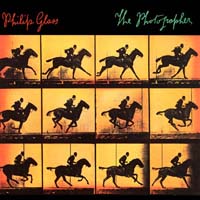 1983The Photographer
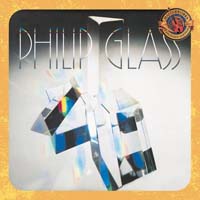 1982Glassworks
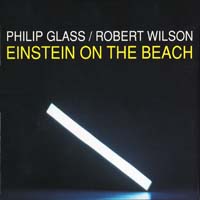 1979Einstein on the Beach
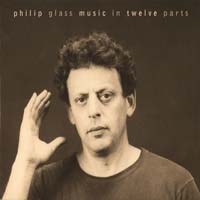 1975Music in Twelve Parts
 1971Music With Changing Parts
 0Dance Nos. 1