
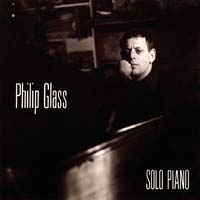
Breaking down the themes in Music With Changing Parts (icebreaker) by Philip Glass
Music With Changing Parts (icebreaker)- Album Overview
Released in 2018, "Music With Changing Parts (icebreaker)" is a significant work by renowned minimalist composer Philip Glass. The album features the Icebreaker ensemble, known for their innovative interpretations of contemporary classical music. This recording, released under the Orange Mountain Music label, is a reimagining of Glass's original score from 1970, showcasing his evolving artistic vision while retaining the core elements that define his style. The ensemble includes a mix of instruments, creating a rich tapestry of sound that reflects Glass's characteristic repetitive structures and harmonic progressions.
The album consists of multiple sections, each varying in tempo and intensity, which allows for a dynamic listening experience. Glass's minimalist approach is evident in the way he builds layers of sound, inviting listeners to engage deeply with the music. The collaborative effort with Icebreaker not only revitalizes the original compositions but also adds a fresh perspective, illustrating the timeless relevance of Glass's work. Throughout its runtime, the album explores themes of change, continuity, and the relationship between the individual and the collective in music. This release has garnered attention for its significant contribution to both the minimalist genre and the broader landscape of contemporary classical music, reinforcing Glass's status as a pioneering figure.
Review
"Music With Changing Parts (icebreaker)" serves as a prime example of Philip Glass's artistic vision, where sound becomes a medium for exploration and transformation. The album's repetitive motifs create an immersive atmosphere, allowing listeners to experience the gradual evolution of themes and textures. The Icebreaker ensemble executes Glass's complex score with precision, resulting in a seamless blend of instruments that evoke a wide range of emotions. While the music lacks traditional lyrics, its themes resonate deeply, inviting interpretations that span personal and collective experiences. Glass's ability to manipulate time and rhythm challenges conventional notions of musical structure, making this album a thought-provoking journey. The interplay between the ensemble's various sections underscores the importance of collaboration in artistic expression, a hallmark of Glass's career.
Highlights
- Rich and layered instrumental textures create an immersive listening experience.
- Innovative reinterpretation of a classic score showcases Glass's evolving artistry.
- Strong collaborative performance by Icebreaker enhances the emotional depth of the music.
Weak points
- The minimalist style may not appeal to all listeners looking for more conventional melodies.
- Some sections may feel repetitive, potentially testing the patience of casual listeners.
- The abstract nature of the composition might leave some interpretations open-ended and unsatisfactory.
Overall evaluation
"Music With Changing Parts (icebreaker)" stands as a testament to Philip Glass's lasting impact on contemporary classical music. Its innovative approach and collaborative spirit make it a worthwhile addition to the minimalist canon. While it may challenge some listeners, the album rewards those who engage with its intricate layers and themes.
Personal rating: 8/10 1990Passages
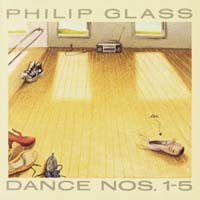 1988Dance Nos. 1-5
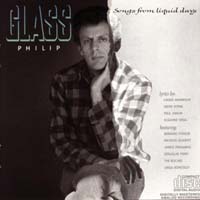 1986Songs From Liquid Days
 1983The Photographer
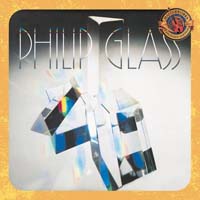 1982Glassworks
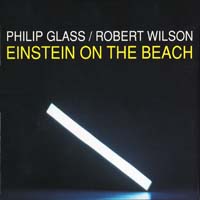 1979Einstein on the Beach
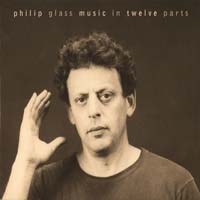 1975Music in Twelve Parts
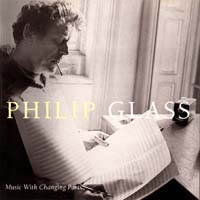 1971Music With Changing Parts
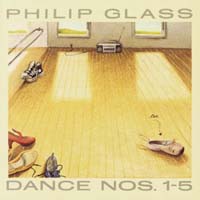 0Dance Nos. 1