
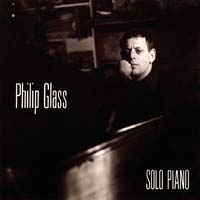
Listening guide: Philip Glass's Circles
Circles- Album Overview
Released in 1986, "Circles" by renowned composer Philip Glass is a seminal work that showcases his minimalist style. The album is a product of Glass's unique approach to music, where he focuses on repetition and gradual transformation of musical phrases. It was recorded for the Orange Mountain Music label, a record company dedicated to the works of Glass, and features a blend of both instrumental and vocal compositions. The album includes two significant pieces, "Circles" and "Music with Changing Parts," which exemplify Glass's innovative techniques and his ability to evoke profound emotional responses through structured simplicity.
Collaborators on this album include the Philip Glass Ensemble, an ensemble that has been instrumental in bringing Glass's compositions to life. The musicianship displayed in "Circles" reflects not only Glass's vision but also the technical prowess of the ensemble. The album was built upon the foundations laid in Glass's earlier works but pushes the boundaries further, exploring new textures and timbres.
While not released as a conventional single, the tracks from "Circles" have made significant impacts in both the classical and contemporary music scenes. The album is often cited in discussions about the evolution of minimalist music and Glass's influence on contemporary composers. Its cultural significance lies in its ability to bridge the gap between classical traditions and modern music, making Glass a pivotal figure in both realms.
Review
Musically, "Circles" is a captivating exploration of rhythm and harmony that invites listeners to immerse themselves fully in its soundscape. Glass's use of repetitive motifs creates a hypnotic effect, drawing the audience into a trance-like state. This is particularly evident in the titular track, where the interplay between instruments and vocal lines creates a rich tapestry of sound. The minimalist approach allows for a deep exploration of musical ideas, often revealing layers of complexity beneath the surface simplicity.
However, for some listeners, the repetitive nature of Glass's compositions may pose a challenge, as it can lead to a sense of monotony over time. Yet, this very quality is what many fans appreciate, as it fosters a meditative listening experience. The album's artistic vision is clear: to explore the essence of music through a lens of minimalism, making "Circles" a profound reflection on the nature of sound itself.
Highlights
- Intricate layering of sound that evokes deep emotional responses.
- Hypnotic rhythms that create a meditative listening experience.
- Significant cultural impact, bridging classical and contemporary music.
Weak points
- Repetitive motifs may not appeal to all listeners.
- Some may find the album lacks dynamic range.
- The abstract nature of the music might be challenging for casual listeners.
Overall evaluation
"Circles" is a testament to Philip Glass's mastery of minimalism, offering a unique auditory experience that resonates deeply with those willing to engage with its complexities. While it may not cater to all musical tastes, its significance in the canon of contemporary classical music is undeniable.
Personal rating: 8/10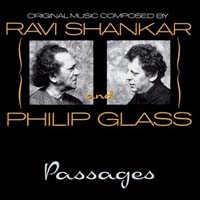 1990Passages
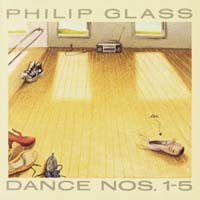 1988Dance Nos. 1-5
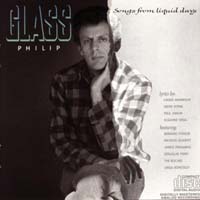 1986Songs From Liquid Days
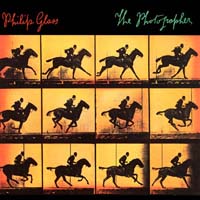 1983The Photographer
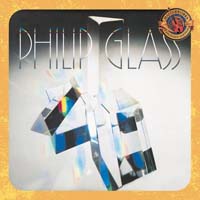 1982Glassworks
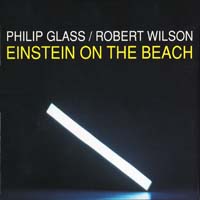 1979Einstein on the Beach
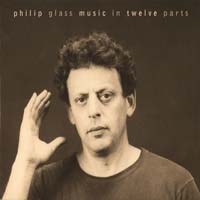 1975Music in Twelve Parts
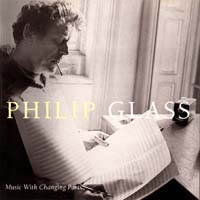 1971Music With Changing Parts
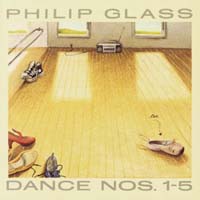 0Dance Nos. 1