
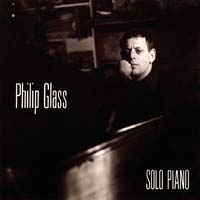
Why Philip Glass's Music From The Thin Blue Line matters
Music From The Thin Blue Line- Album Overview
Released in 1988, "Music From The Thin Blue Line" is a remarkable soundtrack composed by the influential American minimalist composer Philip Glass. This album accompanies the documentary film "The Thin Blue Line" directed by Errol Morris, which explores the wrongful conviction of Randall Dale Adams for the murder of a police officer in Texas. The score was released by the Orange Mountain Music label, which focuses on Glass's works, and showcases his unique ability to blend classical music with modern sensibilities. Recording sessions for this album involved a collaboration with talented musicians including the Kronos Quartet, known for their innovative interpretations and fresh takes on classical music. The film and the score together played a crucial role in the eventual exoneration of Adams, highlighting the impact of music in social justice narratives. Notably, the album features a variety of tracks that capture the haunting and contemplative mood of the film, using Glass's signature repetitive structures and lush harmonies to evoke emotion and tension. The score also reflects broader cultural themes, challenging perceptions of justice and truth, which resonate deeply within the context of the late 1980s America.
Review
Philip Glass's "Music From The Thin Blue Line" stands as a testament to the power of minimalist music in crafting narrative and emotional depth. The score is characterized by its repetitive motifs and intricate layering, which create a sense of urgency and reflection. Unlike traditional film scores that often rely on orchestral crescendos, Glass employs a more understated approach, allowing the music to seep into the viewer’s consciousness subtly. This technique mirrors the film's exploration of truth and perspective, drawing the audience into a contemplative space that complements the stark realities presented on screen. The interplay between strings and synthesized sounds creates an ethereal quality, evoking both tension and poignancy as the narrative unfolds. Additionally, the absence of lyrics in the score highlights the universality of its themes—justice, innocence, and the pursuit of truth—allowing listeners from all walks of life to connect with the music on a personal level. Glass’s artistic vision in this work not only enhances the film but also stands alone as a significant contribution to the world of contemporary music.
Highlights
- Innovative use of minimalism enhances emotional depth.
- Collaboration with the Kronos Quartet adds a unique texture to the score.
- Significant cultural and social impact tied to the film's narrative.
Weak points
- Some listeners may find the repetitive nature of the music monotonous.
- The score may lack the dramatic peaks typical in traditional film soundtracks.
- Not all tracks resonate equally; some feel more like transitions than standalone pieces.
Overall evaluation
"Music From The Thin Blue Line" is a profound exploration of justice and truth set to the haunting sounds of Philip Glass's minimalist composition. Its impact extends beyond music, contributing significantly to the narrative of the film it accompanies. Glass's ability to evoke emotion through simplicity makes this score an essential listen for both fans of film music and minimalist compositions alike.
Personal rating: 8/10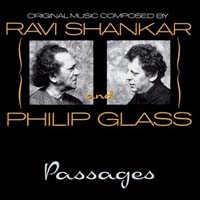 1990Passages
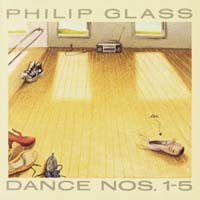 1988Dance Nos. 1-5
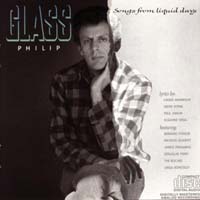 1986Songs From Liquid Days
 1983The Photographer
 1982Glassworks
 1979Einstein on the Beach
 1975Music in Twelve Parts
 1971Music With Changing Parts
 0Dance Nos. 1