
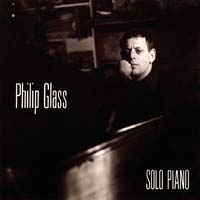
Is Mad Rush: Solo Piano Music Of Philip Glass Philip Glass's best work yet?
Mad Rush: Solo Piano Music Of Philip Glass- Album Overview
Released in 1986, "Mad Rush: Solo Piano Music Of Philip Glass" showcases the minimalist composer's distinctive style, characterized by repetitive motifs and a rich textural palette. This album is a collection of pieces, primarily designed for solo piano, that exemplify Glass's ability to blend classical elements with modern sensibilities. Produced by the composer himself and released under the prestigious Nonesuch Records label, the album includes pieces that have been performed in various settings, ranging from concert halls to film soundtracks.
The title track, "Mad Rush," was originally composed for a performance at the 1981 inauguration of New York Governor Hugh Carey, which reflects Glass's deep engagement with both music and the socio-political landscape of his time. Other notable tracks include "The Hours" and "Opening," which highlight Glass's evolutionary journey as a composer. Collaborators on this project included renowned musicians, although the album primarily focuses on Glass's solo piano work.
Musically, the album has been significant in the evolution of contemporary classical music, influencing a generation of composers and musicians. Glass's minimalist approach, emphasizing the power of repetition and subtle variation, invites listeners to experience time in a new way. "Mad Rush" stands as a pivotal work in Glass's discography, showcasing his unique voice and enduring influence in the world of music.
Review
"Mad Rush: Solo Piano Music Of Philip Glass" is an evocative exploration of sound and emotion, all conveyed through the simplicity of the piano. The album's strength lies in its ability to transport listeners into a meditative state, with each track offering a nuanced journey through Glass's intricate melodic structures. The reliance on repetitive patterns might initially seem monotonous, but the subtle shifts in dynamics and tempo reveal the depth of Glass's compositional prowess.
Glass's artistic vision is clear: he seeks to transcend traditional musical boundaries, creating a soundscape that resonates with both the intellect and the spirit. Each note feels intentional, a deliberate step along a path of exploration. The absence of lyrics directs the listener’s focus entirely on the emotional weight carried by the music itself, making it a profound listening experience. This album is not just a collection of pieces but a cohesive statement on the transformative power of music.
Highlights
- Deeply emotional and immersive piano compositions.
- Innovative use of repetitive motifs that engage listeners.
- Significant cultural impact on contemporary classical music.
Weak points
- Some tracks may feel repetitive to casual listeners.
- The minimalist style may not appeal to everyone’s taste.
- Limited variety in instrumentation could restrict broader audience reach.
Overall evaluation
"Mad Rush: Solo Piano Music Of Philip Glass" is a testament to Philip Glass's mastery of minimalism and his ability to evoke profound emotions through simple yet powerful compositions. While it may not resonate with everyone, for those open to its meditative qualities, it offers a rich auditory experience that is both timeless and significant.
Personal rating: 8/10 1990Passages
 1988Dance Nos. 1-5
 1986Songs From Liquid Days
 1983The Photographer
 1982Glassworks
 1979Einstein on the Beach
 1975Music in Twelve Parts
 1971Music With Changing Parts
 0Dance Nos. 1