
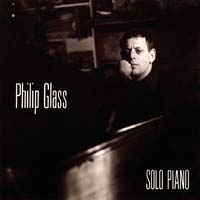
Listening guide: Philip Glass's Music in Twelve Parts, Parts 1
Music in Twelve Parts, Parts 1- Album Overview
Released in 1974, "Music in Twelve Parts, Parts 1" is a seminal work by American composer Philip Glass, known for his pioneering contributions to minimalism. This album was released under the Chatham Square label and showcases Glass's distinctive style characterized by repetitive structures and evolving motifs. The recording features the Philip Glass Ensemble, which includes prominent musicians such as Michael Riesman, who played a crucial role in orchestrating Glass's complex arrangements. The album comprises the first three parts of the larger "Music in Twelve Parts" suite, which was originally composed between 1971 and 1974. This work consists of a total of twelve segments, exploring intricate patterns and a rich sonic landscape that challenges conventional musical forms.
Glass's approach to composition during this period was heavily influenced by his studies with Indian classical music and the use of non-Western scales, which imbue the pieces with a unique rhythmic and melodic quality. The album was recorded in the early 1970s, during a time when Glass was emerging as a significant figure in contemporary music, and it reflects the cultural shifts of the era, bridging the gap between avant-garde art and popular music. "Music in Twelve Parts" is often cited as a pivotal moment in the evolution of minimalist music, influencing a generation of composers and musicians across various genres. The album has not only garnered critical acclaim but has also become a staple in the repertoire of modern classical music, showcasing Glass's innovative spirit and artistic vision.
Review
"Music in Twelve Parts, Parts 1" immerses listeners in a hypnotic soundscape, where repetition serves as both a foundation and a canvas for exploration. The opening pieces establish a rhythmic pulse that is both meditative and energizing, drawing the audience into a trance-like state. Glass's use of layered textures creates a dynamic interplay between instruments, allowing for a rich auditory experience that evolves over time. The absence of traditional melody and lyrics is notable; instead, the music communicates emotion through its structural intricacies and the subtleties of its execution.
The artistic vision behind this work is deeply rooted in the idea of transformation and the passage of time. Each section builds upon the last, revealing new dimensions and complexities that resonate on both an intellectual and emotional level. Glass's ability to blend classical instrumentation with avant-garde sensibilities sets this album apart, making it a critical piece for understanding the trajectory of contemporary music.
Highlights
- The innovative use of repetitive structures that create a captivating listening experience.
- The seamless interplay between the ensemble members, showcasing exceptional musicianship.
- The cultural significance of the work in advancing minimalist music and influencing future composers.
Weak points
- The abstract nature of the music may not appeal to all listeners, particularly those accustomed to traditional song structures.
- The lengthy duration of the pieces may require a commitment that some casual listeners might find challenging.
- Lack of lyrical content may leave some wanting for a more narrative-driven musical experience.
Overall evaluation
"Music in Twelve Parts, Parts 1" stands as a landmark in Philip Glass's oeuvre, showcasing his unique approach to composition and his mastery of minimalist techniques. It invites listeners to engage deeply with its hypnotic rhythms and evolving motifs, making it a vital work in the canon of contemporary classical music.
Personal rating: 9/10 1990Passages
 1988Dance Nos. 1-5
 1986Songs From Liquid Days
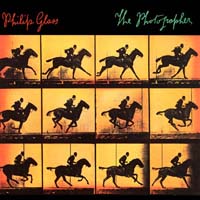 1983The Photographer
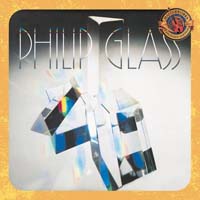 1982Glassworks
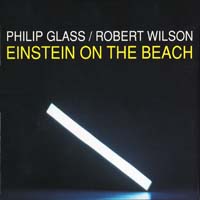 1979Einstein on the Beach
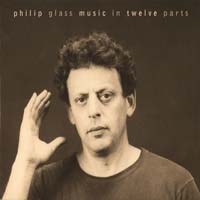 1975Music in Twelve Parts
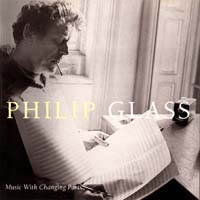 1971Music With Changing Parts
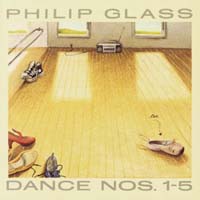 0Dance Nos. 1