
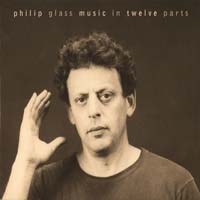
Philip Glass – Music in Twelve Parts: a sonic journey
Music in Twelve Parts- Album Overview
Released in 1976, "Music in Twelve Parts" marks a significant milestone in the oeuvre of American composer Philip Glass, who is renowned for his minimalist style and innovative compositions. This album, released under the Chiaroscuro Records label, features a series of intricate and interlocking musical patterns that showcase Glass's unique approach to rhythm and harmony. The recording sessions took place primarily at the composer's studio in New York City, where Glass collaborated with his ensemble, which included notable musicians such as Jon Gibson and David Van Tieghem.
The work is structured into twelve distinct parts, each piece seamlessly woven into the next, creating a continuous sonic journey that can last up to four hours when performed in its entirety. The album was groundbreaking for its time, pushing the boundaries of contemporary classical music and influencing a wide range of genres, from film scores to pop music. Its hypnotic, repetitive motifs invite listeners into a meditative state, reflecting the spiritual and philosophical themes that often permeate Glass's work.
The release of "Music in Twelve Parts" coincided with the rise of Minimalism in the 1970s, a movement that sought to use limited musical materials to create complex structures. This album stands as a testament to the transformative power of minimalism, and its influence can be traced through the works of numerous contemporary composers. While no singles were released from the album, its impact on the music scene is undeniable, as it paved the way for future explorations of rhythm and texture in modern music.
Review
Philip Glass's "Music in Twelve Parts" is a masterclass in minimalism that captivates and challenges the listener. The album's sound is characterized by repetitive motifs and gradual transformations, creating a hypnotic and immersive experience. Each of the twelve parts delivers a distinct narrative, yet together they form a cohesive and expansive musical landscape. Glass’s ability to layer textures and rhythms results in a sound that is both intricate and accessible, allowing listeners to engage deeply with the music.
The artistic vision behind this work is rooted in the idea of time and perception. Glass's use of repetition serves not merely as a compositional technique but as a means to explore the human experience—evoking feelings of transcendence and introspection. The lack of lyrics allows the music to speak for itself, conveying emotions that resonate universally. While some may find the repetitive nature of the composition challenging, those who embrace the journey will discover a rich tapestry of sound that unfolds with each listen.
Highlights
- Innovative use of repetition that creates a meditative listening experience.
- Rich, layered textures that showcase Glass's mastery of minimalism.
- Significant cultural impact, influencing a wide range of contemporary music genres.
Weak points
- Lengthy duration may challenge casual listeners.
- Repetitive structures could be perceived as monotonous by some.
- Lack of lyrical content may limit accessibility for certain audiences.
Overall evaluation
"Music in Twelve Parts" is a landmark work that exemplifies Philip Glass's innovative approach to composition and his profound impact on contemporary music. While it may not cater to all musical tastes, its significance in the minimalist movement and its ability to evoke deep emotional responses make it an essential listen for any serious music enthusiast.
Personal rating: 9/10 2011Mad Rush: Solo Piano Music Of Philip Glass
 1990Passages
 1988Dance Nos. 1-5
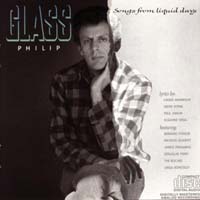 1986Songs From Liquid Days
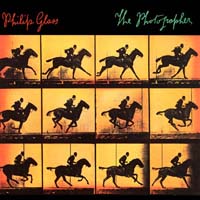 1983The Photographer
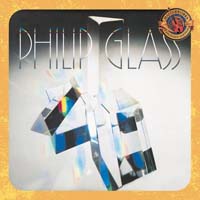 1982Glassworks
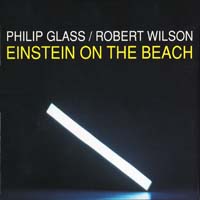 1979Einstein on the Beach
 1971Music With Changing Parts
 0Dance Nos. 1