
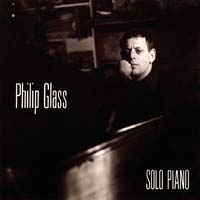
Philip Glass – Symphony No. 7 "toltec": a sonic journey
Symphony No. 7 "toltec"- Album Overview
Released in 1994, Philip Glass's "Symphony No. 7 'toltec'" stands as a remarkable addition to his extensive catalog of works. This symphony, commissioned by the American Composers Orchestra, is characterized by its minimalist style, a hallmark of Glass's compositions. The piece draws inspiration from the ancient Toltec civilization, reflecting the culture's mystique and complexity through a contemporary lens. The album was released under the Orange Mountain Music label, which has been dedicated to preserving and promoting Glass's music. Recording took place in New York City, featuring the American Composers Orchestra conducted by George Manahan. This collaboration brought forth a vibrant interpretation of Glass's vision, showcasing the intricate interplay between orchestral textures and rhythmic motifs that define his style. "Symphony No. 7" is structured in three movements, each exploring different sonic landscapes and emotional territories. The work is significant not only for its musicality but also for its cultural commentary, as it engages with themes of ancient civilizations and their relevance in modern society. The album also includes the single "Toltec," which encapsulates the symphony's essence and has garnered attention for its evocative melodies. Glass's ability to weave narrative and emotion into his compositions is evident throughout this work, making it a significant milestone in the realm of contemporary classical music.
Review
"Symphony No. 7 'toltec'" encapsulates Philip Glass's signature style while venturing into new thematic territory. The sound is rich and layered, with a blend of orchestral instrumentation that evokes both the grandeur of symphonic traditions and the intimacy of chamber music. The three movements unfold with a meditative quality, allowing listeners to immerse themselves in the evolving textures and harmonies. Lyrically, while the symphony does not contain text, the musical phrases tell a story of their own, communicating the depth of emotion and cultural reflection Glass aims to convey. The artistic vision behind this work is a testament to Glass's ability to transcend time and space, bridging ancient history with contemporary soundscapes. The rhythmic patterns are hypnotic, creating a sense of continuity that invites the listener to embark on a sonic journey of exploration and introspection. Overall, "Symphony No. 7" is a compelling addition to Glass's oeuvre, highlighting his prowess as a composer while also inviting discourse on the cultural significance of the Toltec legacy.
Highlights
- Rich orchestral textures that enhance the listening experience.
- Engaging rhythmic motifs that create a hypnotic atmosphere.
- A deep cultural connection to the Toltec civilization, adding layers of meaning to the music.
Weak points
- Some may find the minimalist approach repetitive over extended listening.
- Limited accessibility for listeners unfamiliar with contemporary classical music.
- Lack of text or narrative elements may deter those seeking more lyrical content.
Overall evaluation
"Symphony No. 7 'toltec'" showcases Philip Glass's enduring impact on contemporary classical music, blending minimalism with cultural depth. While it may not appeal to every listener, its artistic merit is undeniable. Personal rating: 8/10
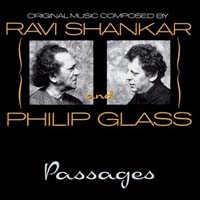 1990Passages
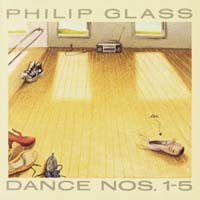 1988Dance Nos. 1-5
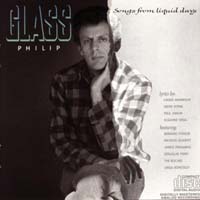 1986Songs From Liquid Days
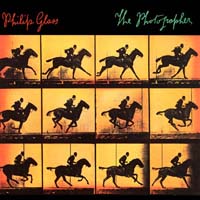 1983The Photographer
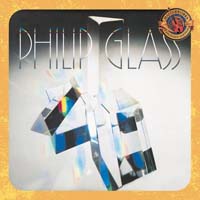 1982Glassworks
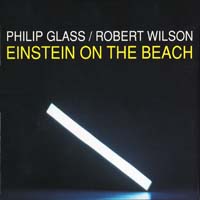 1979Einstein on the Beach
 1975Music in Twelve Parts
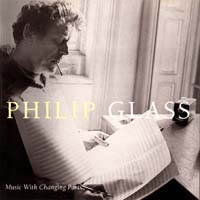 1971Music With Changing Parts
 0Dance Nos. 1