
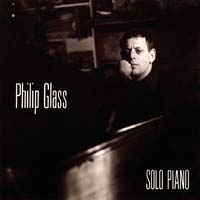
Listening to The Voyage by Philip Glass
The Voyage- Album Overview
The Voyage, released in 1992, is an ambitious work by American composer Philip Glass, showcasing his signature minimalist style. The album was released under the Nonesuch Records label and features a rich orchestral palette, blending elements of classical music with contemporary sensibilities. The piece is a musical score for the opera of the same name, which was commissioned by the American Repertory Theater. Glass collaborated with playwright David Henry Hwang, who wrote the libretto, allowing for a powerful fusion of narrative and sound. The Voyage features a total of 12 tracks that explore themes of journey and discovery, both literal and metaphorical. Glass's innovative approach to rhythm and harmony is evident throughout, creating a hypnotic listening experience that draws the listener into its world. Notable tracks include "The Voyage" and "The Ship," which encapsulate the emotional depth and complexity of the opera's narrative. The album reflects Glass's ability to transcend traditional boundaries of music, making it a significant contribution to the genre of opera and contemporary classical music. The Voyage has been praised for its evocative orchestration and the seamless integration of text and music, marking another milestone in Glass's prolific career, which has influenced generations of composers and musicians. Overall, The Voyage stands as a testament to Glass's artistic vision and his ongoing exploration of the human experience through music.
Review
Listening to The Voyage provides a captivating experience that showcases Philip Glass's signature minimalist style while also pushing the boundaries of traditional operatic compositions. The album’s sound is characterized by repetitive structures and a lush orchestral arrangement that allows the listener to get lost in its cascading melodies. Glass’s unique rhythmic patterns create a sense of movement that mirrors the thematic exploration of travel and transformation. The lyrics, penned by David Henry Hwang, weave a narrative that resonates with universal themes of exploration and self-discovery. While the text may not stand alone as poetry, it serves its purpose within the musical context, enhancing the overall emotional resonance of the work. Glass’s artistic vision shines through in his ability to blend the spoken word with his music, allowing for an immersive experience that engages both the mind and the heart. The Voyage feels both personal and grand, offering listeners a glimpse into the depths of human experience while maintaining an expansive, almost cinematic soundscape.
Highlights
- Rich orchestral arrangements that enhance the emotional depth of the music.
- Innovative integration of narrative and sound, showcasing Glass's minimalist style.
- Thematic exploration of journey and transformation that resonates universally.
Weak points
- Some listeners may find the repetitive structures monotonous over time.
- The lyrics may not resonate as strongly without the musical context.
- Lack of mainstream recognition compared to Glass's more famous works, potentially limiting audience reach.
Overall evaluation
The Voyage is a remarkable work that exemplifies Philip Glass's innovative approach to contemporary classical music and opera. It combines a compelling narrative with rich musical textures, making it a significant addition to Glass's discography. Although it might not appeal to all due to its minimalist nature, it is a testament to the power of music as a vehicle for storytelling.
Personal rating: 8/10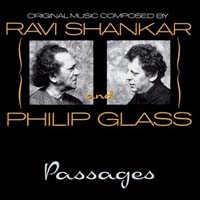 1990Passages
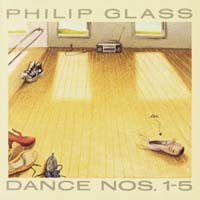 1988Dance Nos. 1-5
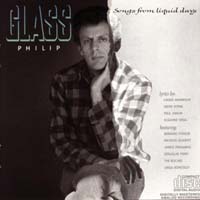 1986Songs From Liquid Days
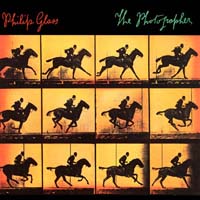 1983The Photographer
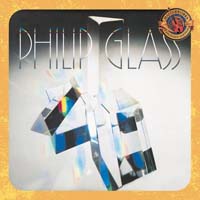 1982Glassworks
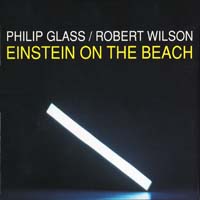 1979Einstein on the Beach
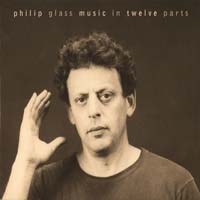 1975Music in Twelve Parts
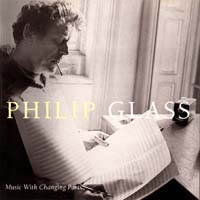 1971Music With Changing Parts
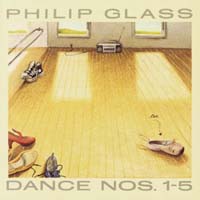 0Dance Nos. 1