
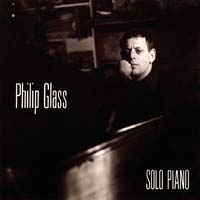
Theater Music, Volume 1: discovering Philip Glass's artistry
Theater Music, Volume 1- Album Overview
Released in 2020, "Theater Music, Volume 1" is a captivating compilation from the renowned minimalist composer Philip Glass, showcasing his work in theatrical settings. This album is a significant addition to Glass's extensive discography, presenting a curated selection of music from various stage productions over the years. Released under the Orange Mountain Music label, the album features tracks derived from notable works such as "The Bacchae," "The Voyage," and "The Secret Agent," each demonstrating Glass's unique ability to blend narrative with innovative soundscapes.
Glass's theatrical music is characterized by its repetitive structures and intricate layers, making it a hallmark of his style. Collaborating with a range of talented musicians and performers, the album also reflects the composer’s longstanding partnership with conductor and pianist Michael Riesman, who has been pivotal in interpreting Glass's music. The recording captures the essence of theatricality, with a focus on how music enhances storytelling, elevating the emotional depth and resonance of the narratives involved.
The selection of tracks on "Theater Music, Volume 1" is not only a testament to Glass's prolific output but also highlights the cultural significance of his contributions to modern music and theater. By bridging the gap between concert hall and stage, Glass has influenced countless composers and artists, making this album a must-listen for those interested in the evolution of contemporary classical music.
Review
In "Theater Music, Volume 1," Philip Glass continues to demonstrate his mastery of minimalism while exploring the depths of emotion through sound. The album opens with a rich tapestry of melodies that immediately draw the listener in, setting the tone for a reflective journey through varied landscapes of human experience. The orchestration is quintessentially Glass, with flowing lines and rhythmic patterns that evoke a sense of urgency and contemplation.
The absence of lyrics allows the music to speak for itself, relying on Glass's knack for creating emotive motifs that resonate deeply. Each track serves as a vignette, encapsulating moments of drama, tension, and release. While the music is undeniably complex, it remains accessible, inviting listeners to engage with the narratives that underpin the compositions. Glass's artistic vision shines through in this collection, as he adeptly marries the auditory with the theatrical, creating an immersive experience that feels both fresh and timeless.
Highlights
- Rich orchestration that captures the essence of theatrical storytelling.
- Seamless blending of minimalist techniques with emotive melodies.
- A curated selection that showcases Glass's versatility as a composer.
Weak points
- Some tracks may feel repetitive for listeners unfamiliar with minimalist music.
- Lack of vocal elements may not appeal to all audiences.
- Could benefit from a broader range of thematic exploration in future volumes.
Overall evaluation
"Theater Music, Volume 1" stands as a testament to Philip Glass's enduring legacy in the realms of music and theater. It encapsulates his distinctive style while offering listeners a compelling exploration of narrative through sound. This collection not only highlights Glass's brilliance but also serves as an excellent introduction to his theatrical works.
Personal rating: 9/10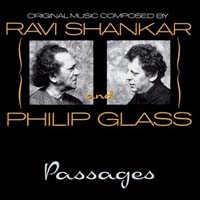 1990Passages
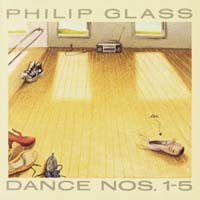 1988Dance Nos. 1-5
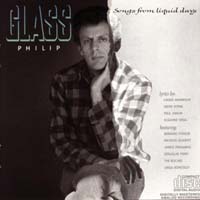 1986Songs From Liquid Days
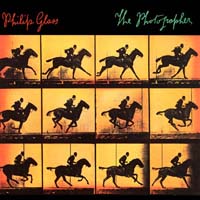 1983The Photographer
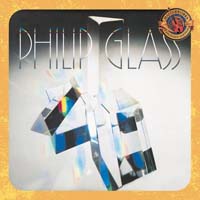 1982Glassworks
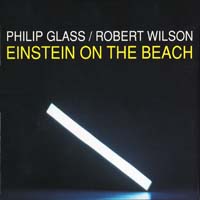 1979Einstein on the Beach
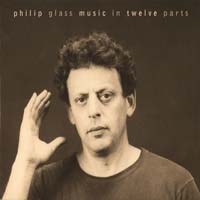 1975Music in Twelve Parts
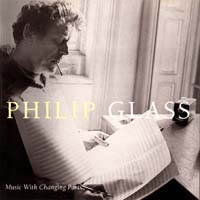 1971Music With Changing Parts
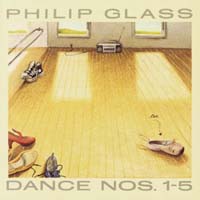 0Dance Nos. 1