
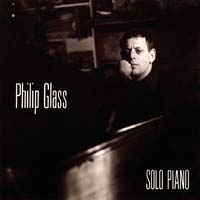
Listening to The Concerto Project, Volume I by Philip Glass
The Concerto Project, Volume I- Album Overview
Released in 1993, "The Concerto Project, Volume I" marks a significant entry in the catalog of renowned minimalist composer Philip Glass. The album was released under the Orange Mountain Music label, which Glass founded to promote his own works and those of other contemporary composers. "The Concerto Project" is a unique collection that showcases Glass's innovative approach to musical form, blending elements of classical, contemporary, and minimalist styles. The recording includes a series of concertos for various instruments, reflecting Glass's ability to reimagine traditional orchestral music through his distinct lens.
The album features collaborations with several notable musicians, including the acclaimed violinist Robert McDuffie, whose performances highlight the emotive depth inherent in Glass's compositions. The project was produced by Glass himself, ensuring that his vision was realized precisely as intended. With tracks like "Violin Concerto No. 1" and "Concerto for Piano and Orchestra," the album explores a range of textures and dynamics, offering listeners an immersive experience that challenges conventional listening habits.
Musically, "The Concerto Project, Volume I" resonates with Glass's trademark repetition and rhythmic intricacies, while the orchestration reveals his ever-evolving style. The album not only marks a high point in Glass's career but also serves as a bridge between classical traditions and modern music, influencing a generation of composers and musicians. The significance of this work lies in its ability to connect diverse audiences to the world of contemporary classical music, making it a pivotal piece in the landscape of 20th-century composition.
Review
"The Concerto Project, Volume I" is an evocative exploration of sound that encapsulates Philip Glass's artistic vision. The opening tracks immediately draw the listener into a rich tapestry of melodic lines and complex harmonies. Glass's minimalist style shines through, yet the album does not shy away from emotional depth. Each concerto is meticulously crafted, allowing the solo instruments to converse with the orchestra in a seamless dialogue. The rhythmic pulse that characterizes much of Glass's work is evident, providing a compelling energy that drives the music forward.
One of the standout features of this album is its ability to blend simplicity with sophistication. The repetitive motifs are not merely gimmicks; they serve as building blocks for greater emotional narratives that unfold throughout each piece. The interplay between the soloist and the ensemble creates a dynamic that is both intricate and accessible. While some listeners may find the minimalist approach challenging, it is precisely this quality that invites deeper engagement with the music. The Concerto Project, Volume I is a testament to Glass's innovative spirit and his capacity to push the boundaries of classical music.
Highlights
- The stunning performances by soloists, particularly Robert McDuffie's expressive violin playing.
- The seamless integration of minimalist motifs with traditional orchestration.
- The album's ability to evoke a wide range of emotions while remaining intellectually stimulating.
Weak points
- Listeners unfamiliar with minimalist music may find some pieces repetitive and challenging.
- The album could benefit from greater variety in instrumentation across the concertos.
- Some tracks may feel overly long, testing the patience of casual listeners.
Overall evaluation
"The Concerto Project, Volume I" is a remarkable achievement that showcases Philip Glass's contributions to contemporary classical music. It successfully bridges the gap between traditional and modern styles, making it a significant work in his discography. While it may not appeal to everyone, its artistic merits are undeniable.
Personal rating: 8/10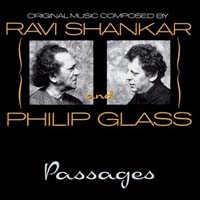 1990Passages
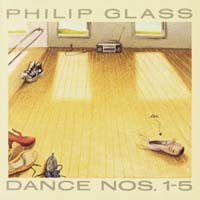 1988Dance Nos. 1-5
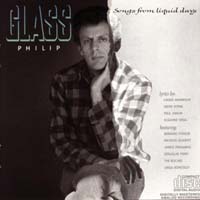 1986Songs From Liquid Days
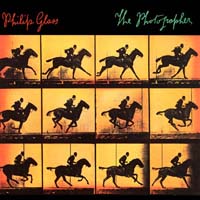 1983The Photographer
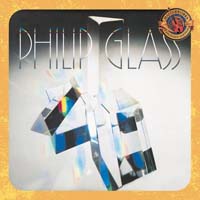 1982Glassworks
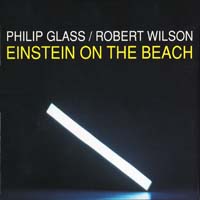 1979Einstein on the Beach
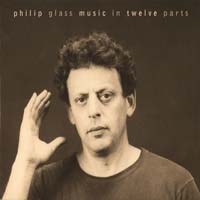 1975Music in Twelve Parts
 1971Music With Changing Parts
 0Dance Nos. 1