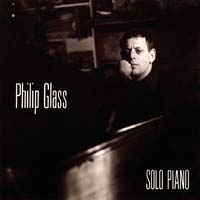
Since his emergence in the late 1960's, composer Philip Glass has become synonymous with minimalist music – a style that utilizes repetition and gradual shifts to create ethereal soundscapes. While this genre of music is widely polarizing within the wider musical community, there is no denying its hypnotic qualities. Even today many listeners find themselves entranced by Glass’s work. In this post we will explore some of the criticism and praise his compositions have garnered over half a century as well as examine why he remains so influential in world-wide musical circles even after all these years.
Since his emergence in the late 1960s, composer Philip Glass has been a celebrated figure in the world of minimalist music. His distinct style, which emphasizes repetition and gradual shifts to create unique soundscapes, has divided the music community ever since. While some praise his work as mesmerizing and groundbreaking, others argue that it's nothing more than overly simplistic, monotonous background noise. Nevertheless, Glass's influence on modern music remains undeniable, and his compositions continue to captivate listeners around the world. In this post, we will explore the controversy surrounding his music, and take a closer look at what makes it so intriguing.
Philip Glass's music can certainly be an acquired taste, but there's no denying the hypnotic qualities it possesses. His compositions are characterized by repetitive melodic motifs that gradually transform and evolve over time, often creating a sense of transcendence or otherworldliness. Many listeners describe his music as meditative and trance-like, providing a kind of escape from reality that can be both soothing and invigorating.
However, critics argue that Glass's music lacks substance and emotional depth. They argue that the constant repetition creates a monotonous effect that quickly becomes dull and uninteresting. Glass's supporters counter that there's much more to his music than meets the ear. They argue that the gradual shifts in sound and the subtle variations in timbre create an immersive experience that is both intellectually stimulating and emotionally affecting. In fact, some of his most celebrated works, such as his score for the movie The Hours, are highly evocative and imbued with profound meaning.
One thing that's clear is that Glass's minimalist aesthetic has had a profound impact on modern music. Many contemporary musicians cite him as a major influence, and his style has been incorporated into everything from pop to classical music. Glass's minimalist compositions have been used in everything from movie soundtracks to opera productions, and his music continues to inspire new generations of artists.
Glass's influence on the world of music is not limited to his minimalist style alone. He is also known for his collaborations with artists from a wide range of disciplines, including dance, film, and theater. His collaborations with director Godfrey Reggio on the critically acclaimed Qatsi trilogy, for example, are regarded as some of the most remarkable achievements in the history of film music.
In conclusion, while some critics may argue that Philip Glass's minimalist compositions lack depth and substance, it's easy to see why his music continues to inspire listeners and musicians around the world. From his distinctive style to his innovative collaborations, Glass has left an indelible mark on modern music. Whether you love or hate his music, it's impossible to deny his singular impact on the world of music, and his legacy is sure to endure for many years to come.
Philip Glass may be a polarizing figure in the music community, but there's no denying his profound influence on modern music. His minimalist compositions have captivated listeners around the world and his collaborations with artists from a variety of disciplines have expanded the boundaries of what music can accomplish. While critics may argue about the merits of his music, it's clear that his legacy will endure as one of the most innovative and visionary figures in contemporary music. Whether you're a fan of minimalist music or not, there's no denying the mystique that surrounds this celebrated composer.