Biography
Johannes Brahms: history and sound
Johannes Brahms (German: [jo?han?s ?b?a?ms], 7 May 1833 – 3 April 1897) was a German composer and pianist. Johannes Brahms is a deeply cherished composer of the 19th century! His music captivates listeners around the world, with fans coming back era after era to experience his unforgettable renditions. His amazing works have showcases his expansive Classical period style that sets him apart from any other musician. His famous pieces such as Symphony No. 1, Academic Festival Overture and Hungarian Dance no. 5 may just be some of the most renowned tunes that encapsulate his production finesse and dedication to perfecting high quality sounds from way back then! Years later we can still feel the sweet reverberation of joy when listening to Brahms’ best songs - a reminder that true artworks last for centuries on end!
Exploring the Musical Genius of Johannes Brahms
As a music lover, you may have come across the name Johannes Brahms at least once. Brahms was a German composer and pianist who lived between 1833 and 1897. He was a leading musician of the Romantic era and is considered one of the most influential composers of all time. Brahms composed music in various genres, ranging from symphonies to vocal music, and his works continue to impress music lovers today. In this article, we will explore Brahms' musical biography, his best songs, music genre, famous concerts, and a critic.
Biography
Johannes Brahms was born in Hamburg, Germany, on May 7, 1833. He was the second of three children born to Johanna Henrika Christiane Nissen and Johann Jakob Brahms. His father was a musician who taught him the basics of music at a young age. Brahms showed an interest in music and began composing at an early age. He later studied under famous musicians such as Eduard Marxsen, who taught him music theory and piano. His compositions and performances soon caught the attention of musicians and music enthusiasts, and he began gaining recognition.
Music Genre
Brahms composed music in various genres, including symphonies, chamber music, choral works, and vocal music. He was known for his use of traditional forms such as sonatas and fugues. He was also known for his use of counterpoint, which is the combination of two or more melodies played simultaneously. Brahms was influenced by classical composers such as Bach, Beethoven, and Mozart. However, he added his unique style to his compositions, which was evident in the harmonies and melodies he used.
Best Songs
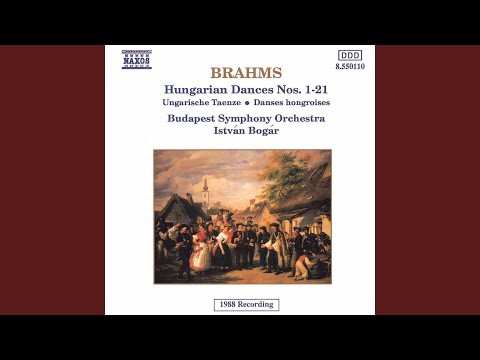
Brahms composed several notable songs throughout his career. Some of his best songs include Symphony No. 1, Symphony No. 2, Symphony No. 3, Symphony No. 4, Hungarian Dances, Violin Concerto in D Major, Ein Deutsches Requiem, and Academic Festival Overture. These works showcase his mastery of different musical forms and his ability to evoke emotions through music.
Famous Concerts and a Critic
Brahms's music was widely recognized during his lifetime, and he often performed his compositions in concerts. One of his most famous concerts was the premiere of his Symphony No. 1 in 1876. The concert was well-received, and Brahms received a standing ovation. However, not all of Brahms's compositions were received positively. Music critic Eduard Hanslick was known for his harsh criticisms of Brahms's music. Hanslick believed that Brahms's compositions lacked emotion and were too cerebral.
Johannes Brahms was an influential composer who left a lasting impact on the world of music. His use of traditional forms and his unique style made his compositions stand out among those of his peers. His music continues to inspire and impress music lovers today, and his legacy lives on through his compositions. Brahms's life and works are a testament to the power of music to evoke emotions and bring people together.
Exploring the Musical Genius of Johannes Brahms
As a music lover, you may have come across the name Johannes Brahms at least once. Brahms was a German composer and pianist who lived between 1833 and 1897. He was a leading musician of the Romantic era and is considered one of the most influential composers of all time. Brahms composed music in various genres, ranging from symphonies to vocal music, and his works continue to impress music lovers today. In this article, we will explore Brahms' musical biography, his best songs, music genre, famous concerts, and a critic.
Biography
Johannes Brahms was born in Hamburg, Germany, on May 7, 1833. He was the second of three children born to Johanna Henrika Christiane Nissen and Johann Jakob Brahms. His father was a musician who taught him the basics of music at a young age. Brahms showed an interest in music and began composing at an early age. He later studied under famous musicians such as Eduard Marxsen, who taught him music theory and piano. His compositions and performances soon caught the attention of musicians and music enthusiasts, and he began gaining recognition.
Music Genre
Brahms composed music in various genres, including symphonies, chamber music, choral works, and vocal music. He was known for his use of traditional forms such as sonatas and fugues. He was also known for his use of counterpoint, which is the combination of two or more melodies played simultaneously. Brahms was influenced by classical composers such as Bach, Beethoven, and Mozart. However, he added his unique style to his compositions, which was evident in the harmonies and melodies he used.
Best Songs
Brahms composed several notable songs throughout his career. Some of his best songs include Symphony No. 1, Symphony No. 2, Symphony No. 3, Symphony No. 4, Hungarian Dances, Violin Concerto in D Major, Ein Deutsches Requiem, and Academic Festival Overture. These works showcase his mastery of different musical forms and his ability to evoke emotions through music.
Famous Concerts and a Critic
Brahms's music was widely recognized during his lifetime, and he often performed his compositions in concerts. One of his most famous concerts was the premiere of his Symphony No. 1 in 1876. The concert was well-received, and Brahms received a standing ovation. However, not all of Brahms's compositions were received positively. Music critic Eduard Hanslick was known for his harsh criticisms of Brahms's music. Hanslick believed that Brahms's compositions lacked emotion and were too cerebral.
Johannes Brahms was an influential composer who left a lasting impact on the world of music. His use of traditional forms and his unique style made his compositions stand out among those of his peers. His music continues to inspire and impress music lovers today, and his legacy lives on through his compositions. Brahms's life and works are a testament to the power of music to evoke emotions and bring people together.