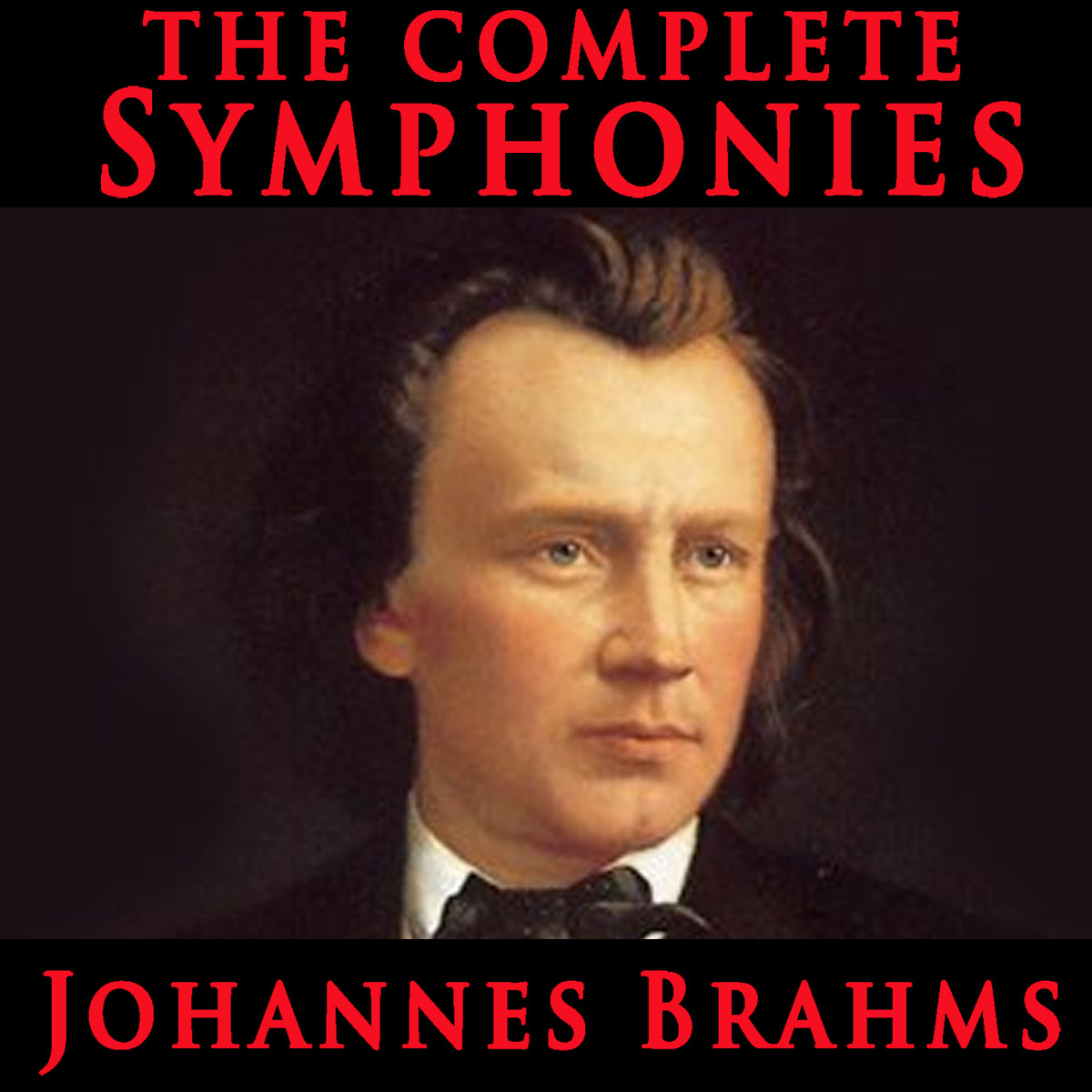
ALBUM NOTESAlbum spotlight: Johannes Brahms-Clarinet Trios – Clarinet Trios
Album overview
Johannes Brahms' "Clarinet Trios," originally composed in 1891, is a significant chamber work that showcases the clarinet's lyrical potential in collaboration with piano and strings. This album features the Trio in A minor, Op. 114, and the Trio in E-flat major, Op. 40. The recording captures the essence of Brahms' late romantic style, emphasizing rich harmonies and intricate counterpoint. Released under the prestigious Deutsche Grammophon label, the album has been performed and recorded by various prominent ensembles, including the renowned clarinetist Sabine Meyer alongside the Hagen Quartet. The music reflects Brahms' deep understanding of the clarinet's voice, influenced by his friendship with clarinetist Richard Mühlfeld, who inspired these works. The album's recordings highlight the warm timbre of the clarinet, complemented by the strings and piano, creating a cohesive yet dynamic soundscape. The cultural significance of these trios lies in their contribution to the chamber music repertoire, showcasing the clarinet as a leading instrument and influencing generations of musicians.
Review
Brahms' "Clarinet Trios" emerges as a masterclass in the interplay between instruments, with the clarinet often taking center stage. The first trio, Op. 114, is particularly noted for its emotional depth, with a hauntingly beautiful slow movement that allows the clarinet to soar. The interplay between piano and strings is particularly effective, creating a rich tapestry of sound that enhances the clarinet's expressive capabilities. The second trio, Op. 40, offers a more spirited contrast, showcasing Brahms' ability to blend complexity with accessibility. The performers exhibit remarkable chemistry, presenting the pieces with both precision and sensitivity. The recording quality is exceptional, allowing listeners to appreciate the nuances of each instrument's voice. Overall, the artistic vision is clear: Brahms sought to elevate the clarinet within the chamber music setting, a mission accomplished through these timeless trios.
Highlights
- Exceptional interplay between clarinet, piano, and strings.
- Rich emotional depth, particularly in the slow movements.
- High-quality recording that captures the nuances of the performance.
Weak points
- Some listeners may find the slower movements lengthy.
- The album may not appeal to those unfamiliar with classical music.
- Limited variety in the overall tempo and mood across the trios.
Overall evaluation
Brahms' "Clarinet Trios" is a profound exploration of the clarinet's capabilities within a chamber setting, showcasing both the technical prowess of the musicians and the emotional weight of Brahms' compositions. This album is essential listening for classical music enthusiasts and serves as an excellent introduction to Brahms' late works.
Personal rating: 9/10
```