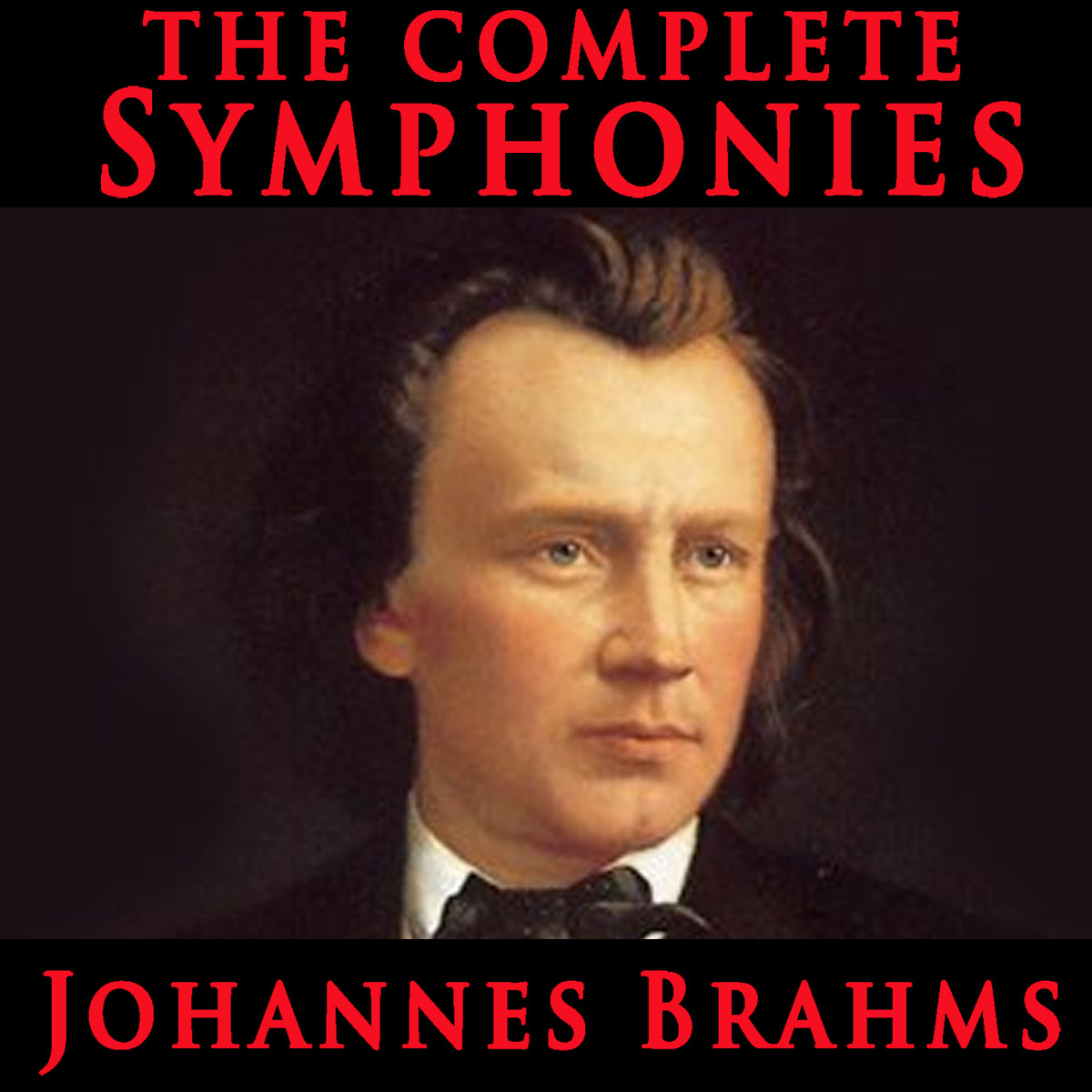
ALBUM NOTESThe evolution of Johannes Brahms in Symphonie Nr. 4
Symphonie Nr. 4- Album Overview
Johannes Brahms' "Symphonie Nr. 4 in E minor, Op. 98" was completed in 1885 and stands as a significant work in the symphonic repertoire. Released on various labels over the years, it has been recorded by numerous orchestras, reflecting its enduring popularity. This symphony is often regarded as Brahms' final orchestral work, showcasing a mature and profound development in his compositional style.
The Fourth Symphony consists of four movements: I. Allegro non troppo, II. Andante moderato, III. Allegro giocoso, and IV. Allegro energico e passionato. It is notable for its complex structure and emotional depth, weaving together themes of longing and resolution. Brahms was inspired by the traditional forms of classical music while simultaneously infusing his work with a romantic sensibility, thus bridging the gap between the classical and romantic eras.
The symphony was first performed in Meiningen under the baton of conductor Hans von Bülow. Collaborators such as the Vienna Philharmonic have contributed to its rich legacy, ensuring its place as a staple in concert programs worldwide. The use of a passacaglia in the final movement reflects Brahms' admiration for Baroque forms, showcasing his ability to integrate historical techniques into his contemporary context. The cultural significance of this work lies in its exploration of human emotion, as Brahms navigates themes of fate, struggle, and ultimately, triumph.
Review
Brahms' "Symphonie Nr. 4" unfolds with a powerful emotional narrative, immersing listeners in its rich orchestral textures and intricate harmonies. The opening movement establishes a somber yet majestic atmosphere, characterized by its sweeping melodies and dramatic contrasts. Brahms expertly balances lyrical passages with vigorous motifs, creating a tapestry of sound that invites deep contemplation.
The Andante moderato serves as a poignant interlude, where the strings convey a sense of introspection and melancholy. Here, Brahms' lyrical prowess shines through, revealing his ability to evoke profound emotional responses. The third movement, Allegro giocoso, introduces a playful energy, showcasing Brahms' skill in thematic development and orchestration.
The finale, with its bold passacaglia theme, culminates in a powerful statement that encapsulates the symphony's overarching themes of struggle and perseverance. Brahms' artistic vision in this work reflects a masterful synthesis of classical traditions and personal expression, making "Symphonie Nr. 4" an enduring masterpiece.
Highlights
- Rich orchestral textures and complex harmonies.
- Emotional depth and thematic development throughout the movements.
- Innovative use of traditional forms, particularly in the finale.
Weak points
- Some may find the slow movements overly introspective.
- The complexity of the score can be challenging for less experienced listeners.
- Occasional moments of dense orchestration may overshadow individual instrumental lines.
Overall evaluation
Brahms' "Symphonie Nr. 4" is a profound exploration of human emotion, showcasing the composer's mastery of orchestral writing and thematic development. Its blend of classical formality and romantic expressiveness ensures its status as a cornerstone of the symphonic repertoire.
Personal rating: 9/10