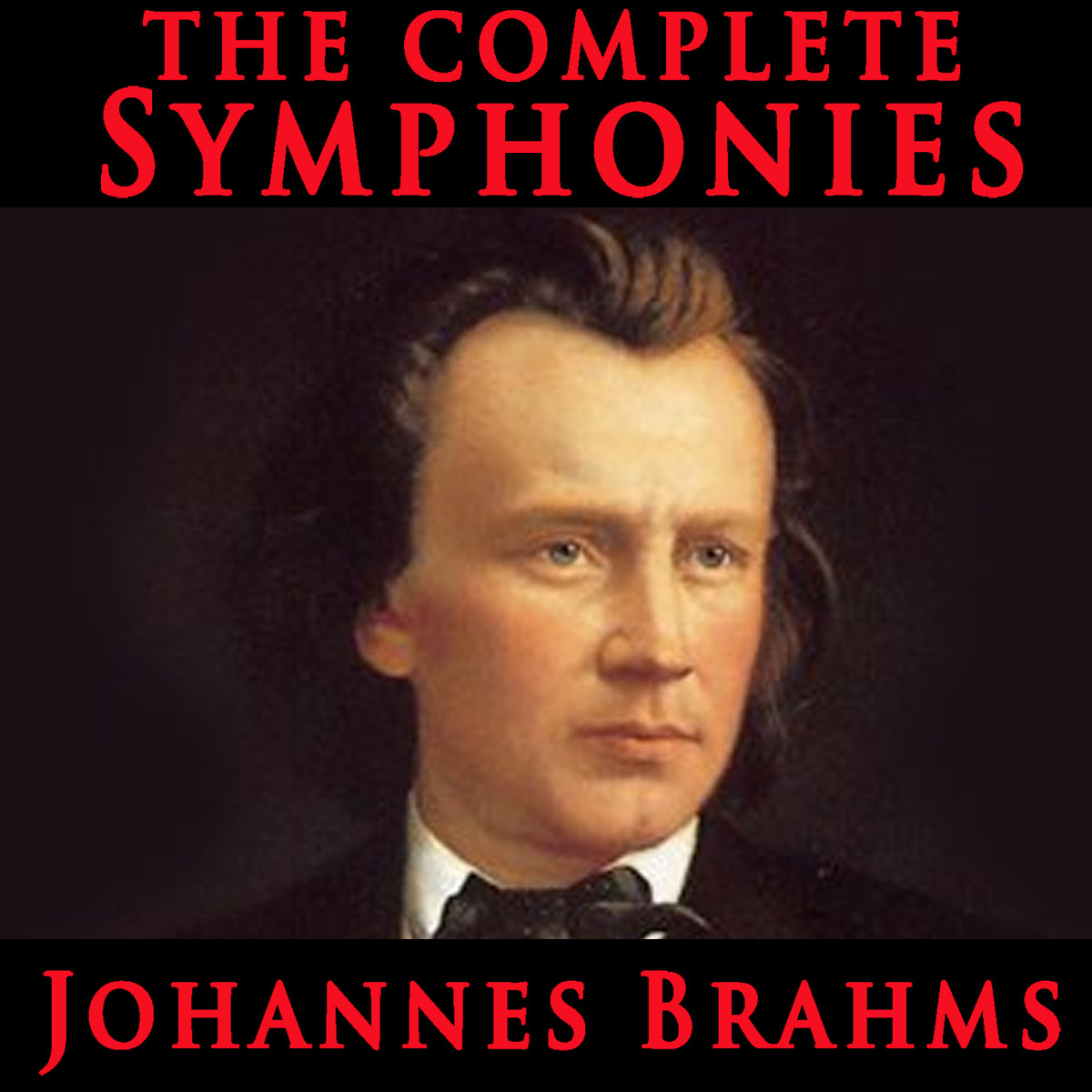
ALBUM NOTESJohannes Brahms – Concerto No. 1: a sonic journey
Concerto No. 1- Album Overview
Johannes Brahms' "Concerto No. 1 in D minor, Op. 15" was composed between 1854 and 1856 and is one of the cornerstones of the Romantic piano concerto repertoire. Released in various recordings since its premiere in 1859, the concerto has been widely interpreted by countless pianists and orchestras across the globe, showcasing its enduring appeal. The work is characterized by its dramatic contrasts, lyrical melodies, and intricate interplay between piano and orchestra, reflecting Brahms' deep understanding of both the concerto form and the capabilities of the piano.
The concerto is structured in three movements: the Allegro non troppo, the Adagio, and the Rondo: Allegro non troppo. Each movement offers a unique emotional landscape, ranging from the tempestuous and powerful to the serene and introspective. The first movement opens with a bold orchestral statement, setting the stage for the piano's grand entrance. The Adagio features a hauntingly beautiful melody that showcases Brahms' lyrical genius, while the final movement brings the work to a jubilant and energetic conclusion.
Over the years, "Concerto No. 1" has been recorded by many prominent artists, including legends like Arthur Rubinstein, Emil Gilels, and more recently, Yefim Bronfman and Lang Lang. The concerto has been released under numerous labels, including Deutsche Grammophon and Decca, ensuring its place in the classical canon. With its rich orchestration and emotional depth, Brahms' first piano concerto has not only influenced subsequent generations of composers but also continues to resonate with audiences today, making it an essential work in the concert repertoire.
Review
Brahms' "Concerto No. 1" stands out not just for its technical demands but also for its emotional breadth. The soundscape created by the interplay of piano and orchestra is nothing short of breathtaking. The opening movement's thunderous orchestral introduction gives way to the piano's commanding presence, establishing a dialogue that is both assertive and intimate. The tension between the orchestral body and the soloist is masterfully crafted, allowing for moments of both conflict and resolution.
The lyrical second movement, Adagio, serves as a contemplative interlude, where the piano's delicate phrasing evokes a sense of longing and introspection. Here, Brahms' gift for melody shines, providing a stark contrast to the passionate turmoil of the outer movements. The final Rondo brings the concerto to a spirited conclusion, showcasing Brahms' rhythmic inventiveness and the technical prowess of the pianist.
Overall, this concerto embodies Brahms' artistic vision, merging the classical traditions of the past with the emotive power of Romanticism. The work is not just a display of virtuosity but a profound exploration of human emotion, making it a timeless piece that resonates with audiences and performers alike.
Highlights
- The powerful orchestral introduction that sets the dramatic tone.
- The lyrical beauty of the Adagio movement, showcasing Brahms' melodic genius.
- The energetic and intricate interplay between piano and orchestra in the Rondo finale.
Weak points
- The first movement may feel overwhelming for some listeners due to its complexity.
- The length of the concerto can be demanding for audiences not accustomed to classical works.
- Some interpretations may stray too far from Brahms' original intentions, affecting the overall impact.
Overall evaluation
Brahms' "Concerto No. 1" is an essential masterpiece of the Romantic piano repertoire that brilliantly showcases the composer’s emotional depth and technical prowess. Its enduring popularity speaks volumes about its impact on classical music.
Personal rating: 9/10